

Lamborghini has delayed the debut of its first fully electric supercar until sometime beyond 2030, opting instead to focus on hybrid models that will arrive much sooner. The Italian marque’s CEO, Stephan Winkelmann, recently explained the company’s cautious approach to EV development, citing weak current demand for electric Lamborghinis and emphasizing that the brand will monitor customer acceptance closely before making a full transition to electric vehicles.
While initial remarks by Winkelmann describing EVs as ”an expensive hobby” with ”close to zero” demand created confusion about Lamborghini’s commitment to electrification, he later clarified that these comments were taken out of context. Lamborghinis remain highly emotional, aspirational vehicles for enthusiasts, and replicating that driving experience through electric means is challenging-a challenge that is greater for exotic brands than for mainstream automakers.
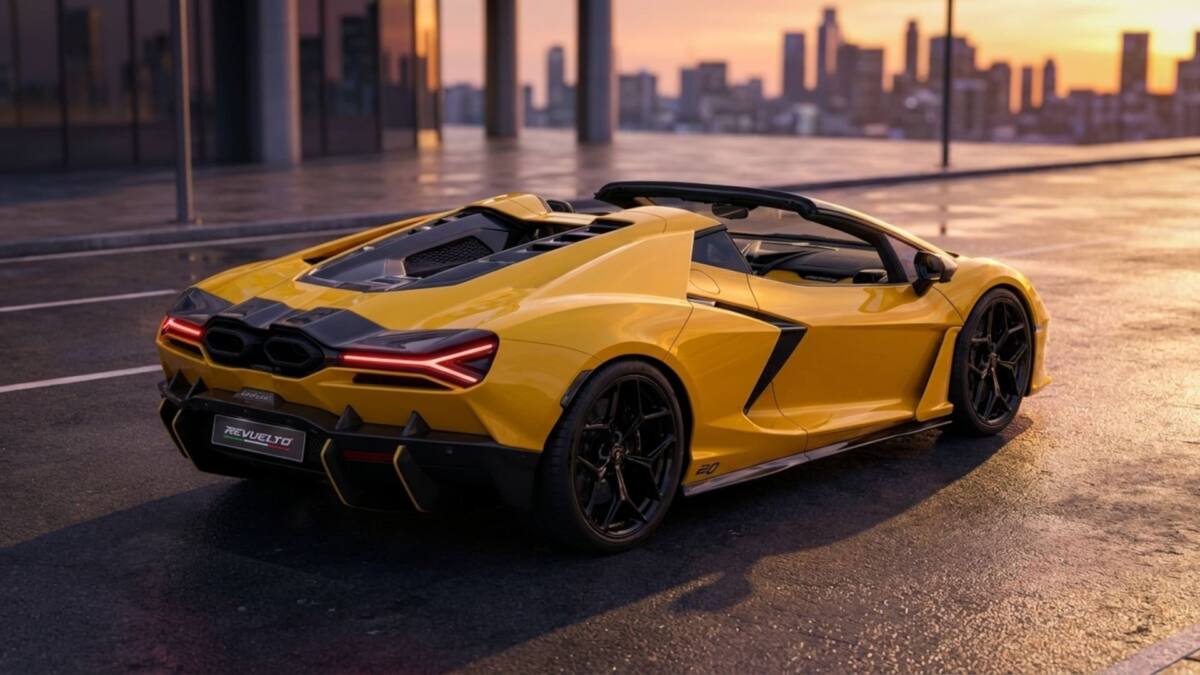
For 2026, Lamborghini plans multiple new releases aimed at expanding its lineup, with unveilings scheduled at prominent events such as the Goodwood Festival of Speed and Monterey Car Week. Expected models include a convertible version of the Revuelto, which has been on sale for three years without a roadster variant. Additionally, the Urus SUV is set to receive a high-performance model-likely branded as the Urus Performante-with over 800 horsepower. This could be one of the last versions of Lamborghini’s super SUV before its replacement later in the decade.
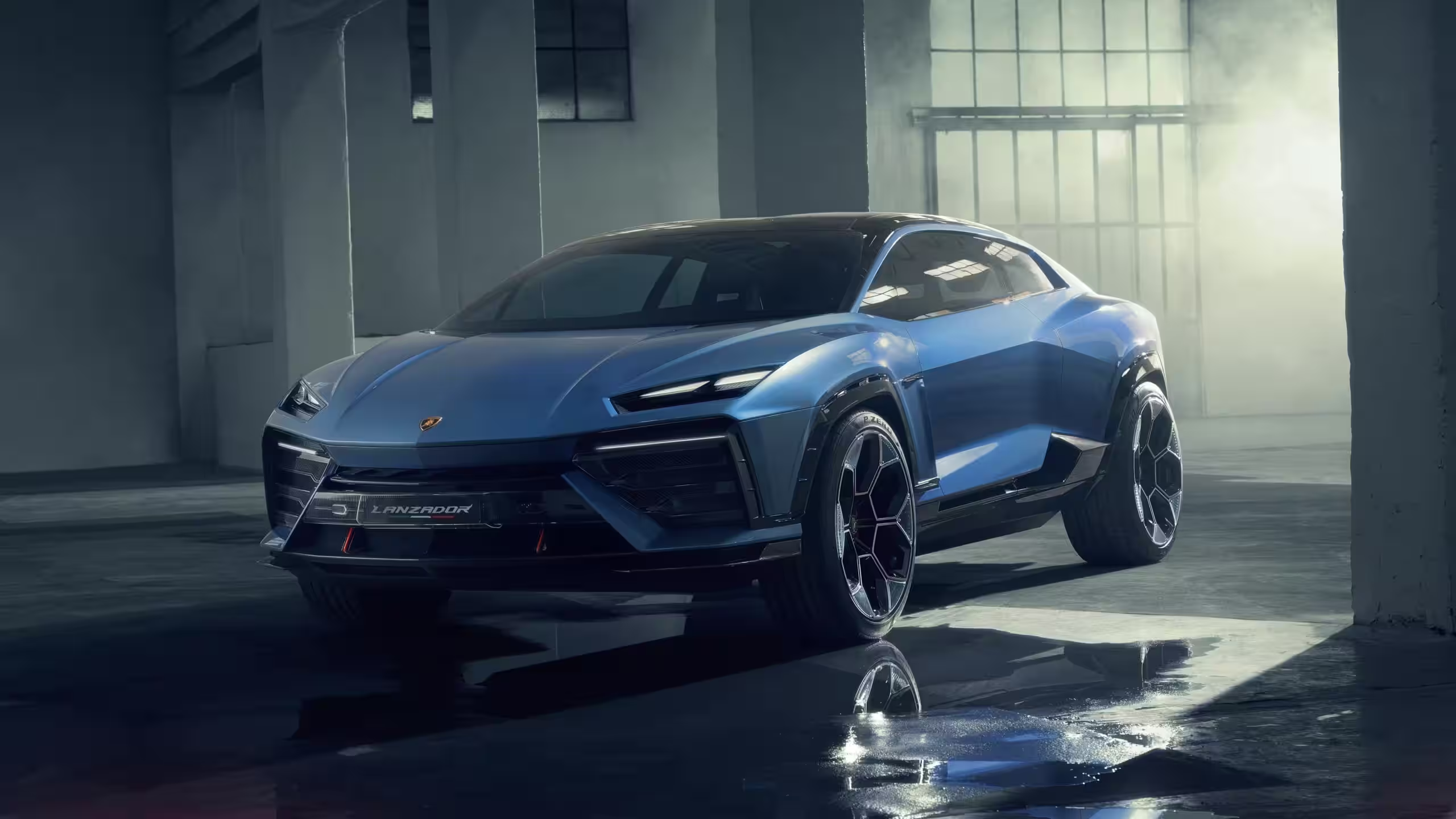
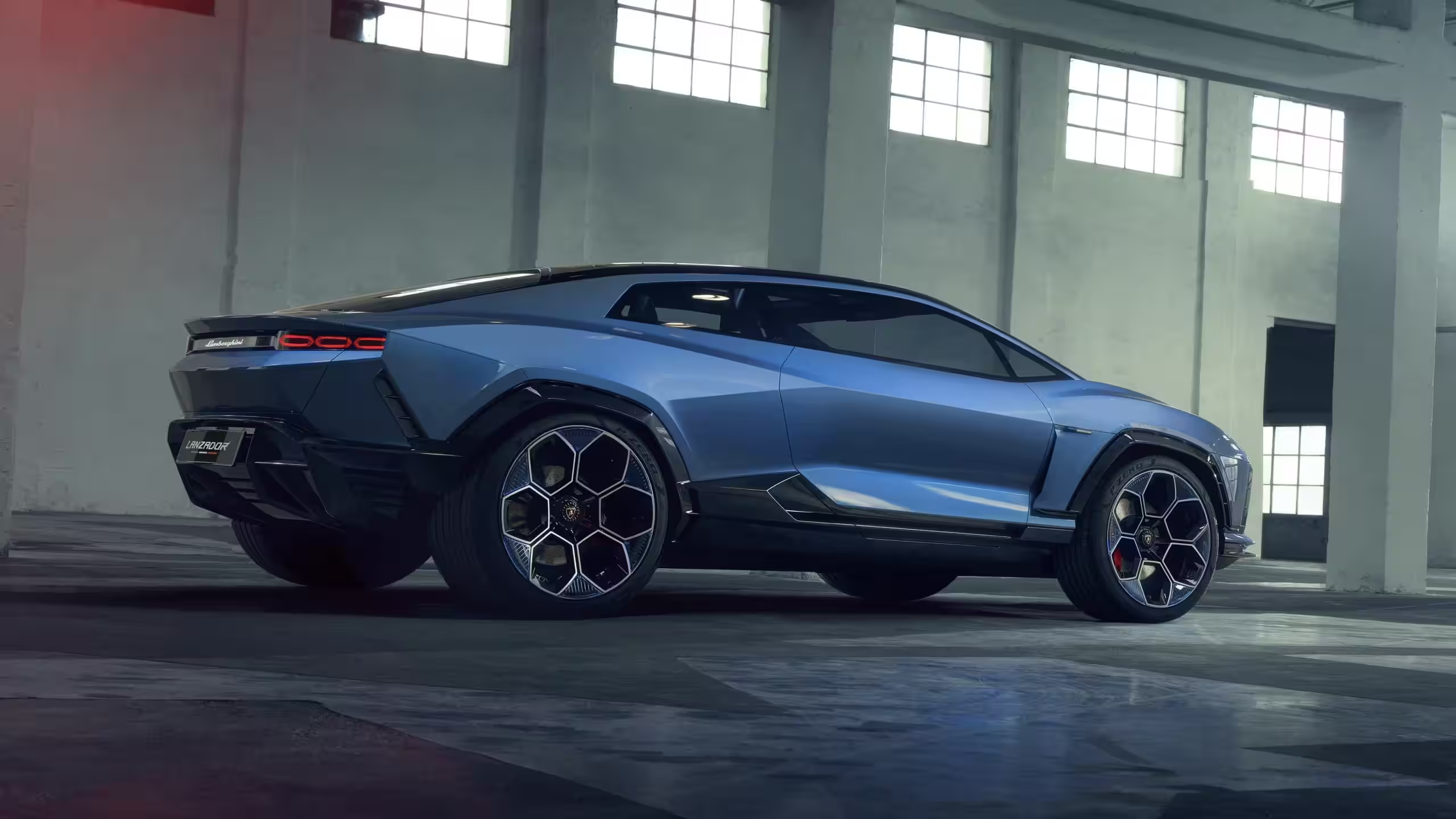
Lamborghini’s EV concept, the Lanzador, will be reimagined as a plug-in hybrid model by 2030, likely with a different bodystyle but retaining its two-door 2+2 seating configuration. This strategy reflects Lamborghini’s focus on hybrid technology in the short to medium term rather than a direct shift to fully electric vehicles. The Lanzador plug-in hybrid may also provide an alternative to Ferrari’s four-door Purosangue, appealing to buyers wanting exclusivity and sportiness with smaller rear seating.
Winkelmann highlighted that electric cars often lack the emotional connection characteristic of a Lamborghini. Although artificial engine sounds can be used, they cannot replace the genuine visceral thrills expected by Lamborghini owners. This emotional gap contributes to the brand’s cautious approach to EVs, supported by market research indicating a growing rejection of fully electric vehicles among its clientele.
Despite postponing its first full electric supercar, Lamborghini is continuing to invest in electric vehicle technology to stay competitive once customer interest in electric supercars increases. Meanwhile, the expansion of the hybrid lineup will maintain buyer engagement and uphold Lamborghini’s status as a leading manufacturer of exotic performance cars.