

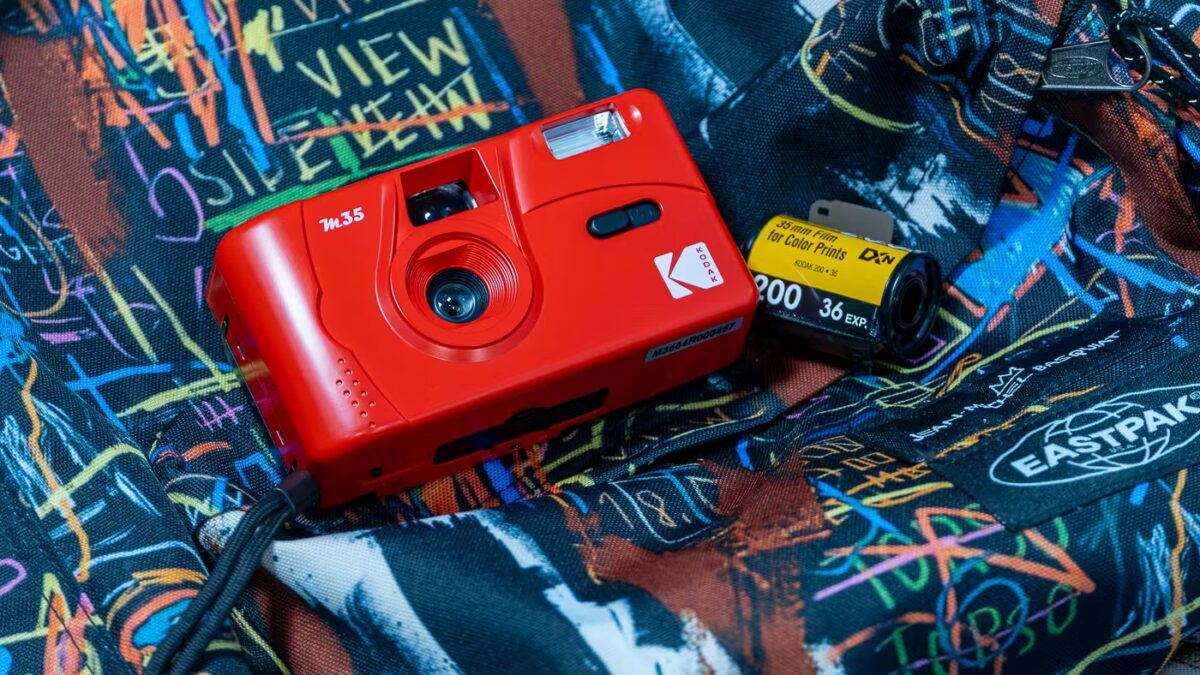
Film photography is back in a big way-and Kodak’s M35 film camera is at the heart of this resurgence among Gen Z. This budget-friendly 35mm camera, made under license by a Chinese manufacturer, offers a no-frills, throwback shooting experience that stands in stark contrast to today’s instant digital feeds and AI-powered photo apps. For young people drowning in pixels and filters, the M35’s delayed gratification and analog quirks provide a refreshing break from the constant rush of online life.
Though Kodak as a company has changed drastically since its heyday, the M35 proudly wears the brand on its plastic shell-invoking nostalgia and a sense of analog authenticity. Manufactured by Sino Promise under Kodak’s name, this camera recreates the charm of the simple point-and-shoot film cameras many remember from childhood, but it’s mainly aimed at newcomers eager to embrace film without fuss.
Who the Kodak M35 film camera is for
The film revival is far from retirees’ nostalgia-it’s a deliberate aesthetic choice by Zoomers who grew up in a world obsessed with pixel-perfect images. The Kodak M35 offers a fully plastic, reusable alternative to disposable film cameras, made for those who want the look and feel of film without manual settings. It doesn’t have any of those-this camera is all about simplicity.
The Kodak name here works as a cultural signifier more than anything else. It’s a legacy brand that many young people have only heard about from older generations, lending a legendary aura. But it’s important to know the M35 is manufactured in China under license, with no direct ties to Kodak’s Rochester roots. What you get is an honest price and exactly the features a beginner needs.
Design and handling of the Kodak M35
The camera arrives in a modest cardboard box. You can buy it as a bundle including film and batteries, but buying film and the small AAA-style battery separately is easy online-though ordering film from China is often cheapest. I went with the kit since the price difference was minimal.
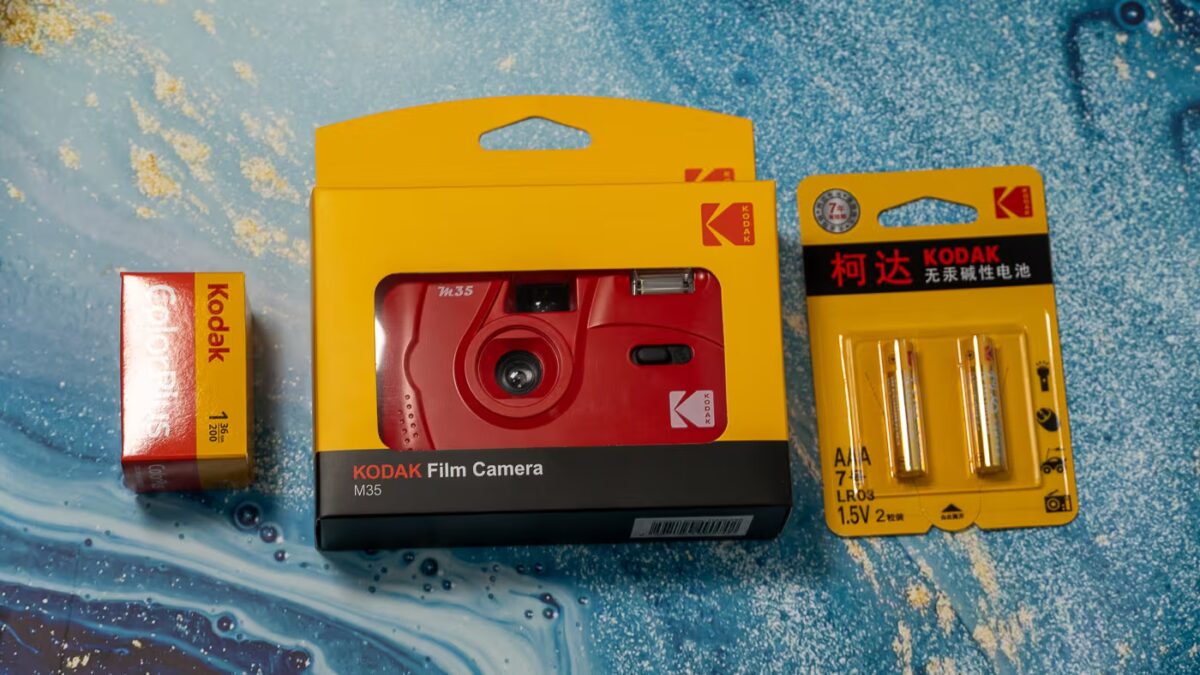
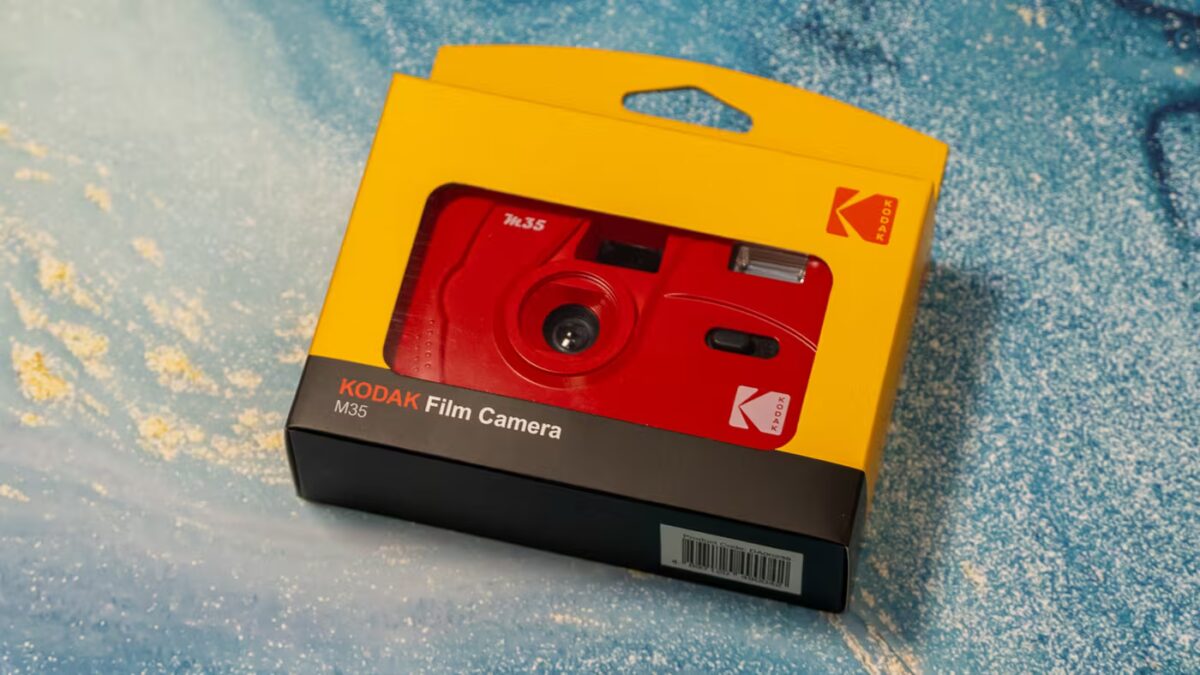
The body is glossy ABS plastic, offered in a rainbow of shades from Candy Pink and Flame Scarlet to subdued Olive Green and Starry Black. Choosing a color is part of the fun-like picking a phone case or a vinyl record cover. I debated between red and blue before settling on a bright, saturated tone to add some color to my daily life.
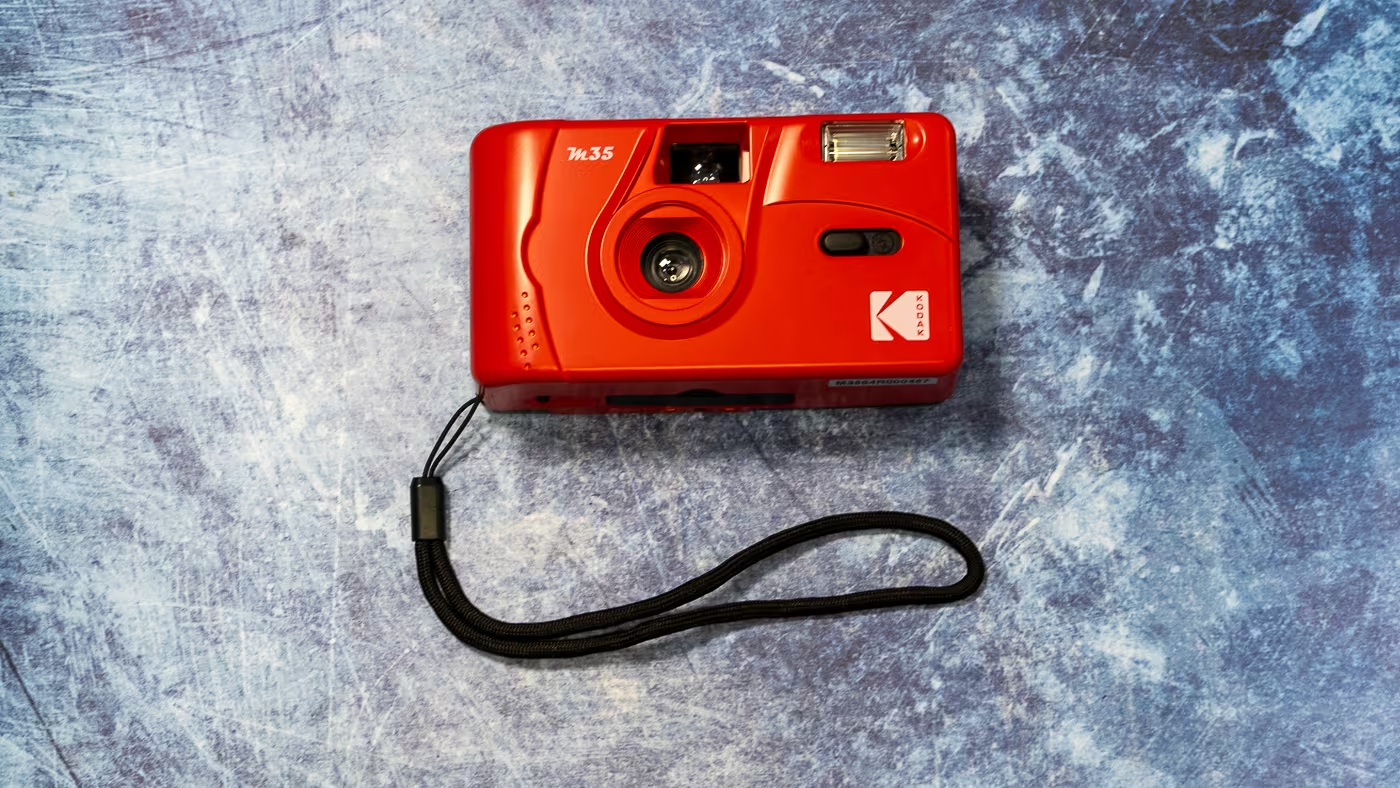
The Kodak M35 film camera measures 114 × 63 × 35 mm and weighs a featherlight 100 grams without film. If you have deep jeans pockets, it fits there; otherwise, a wrist strap keeps it handy. Most days, I just tossed it in my backpack and took it out when I wanted to shoot.

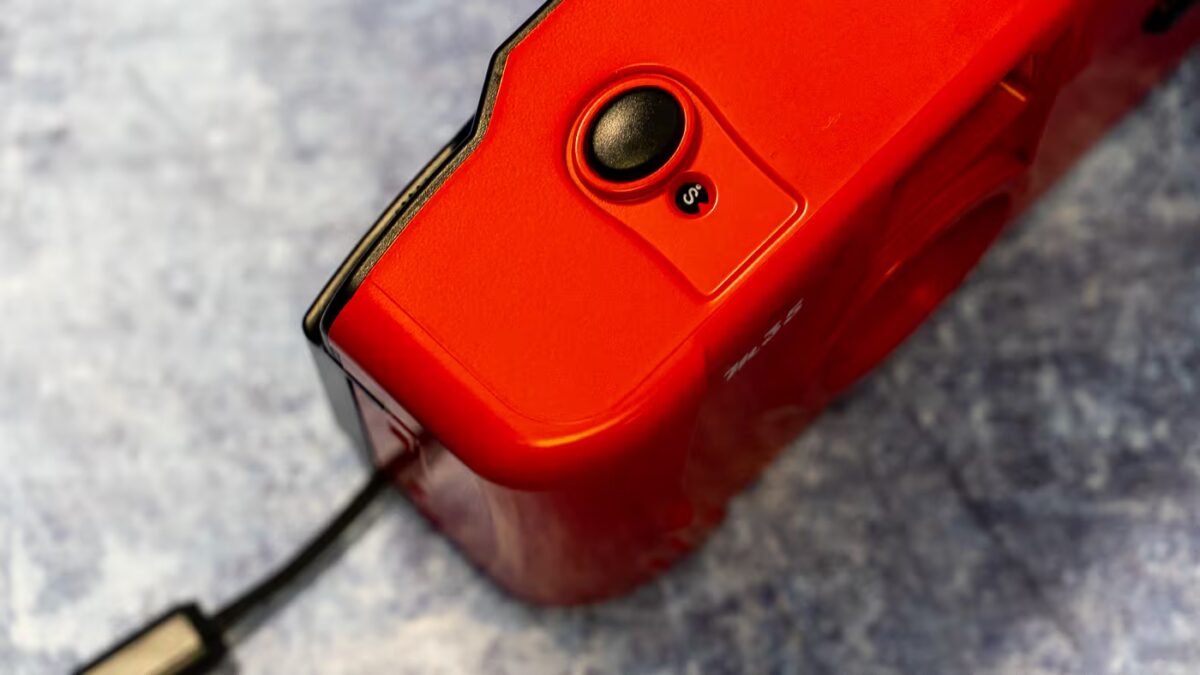
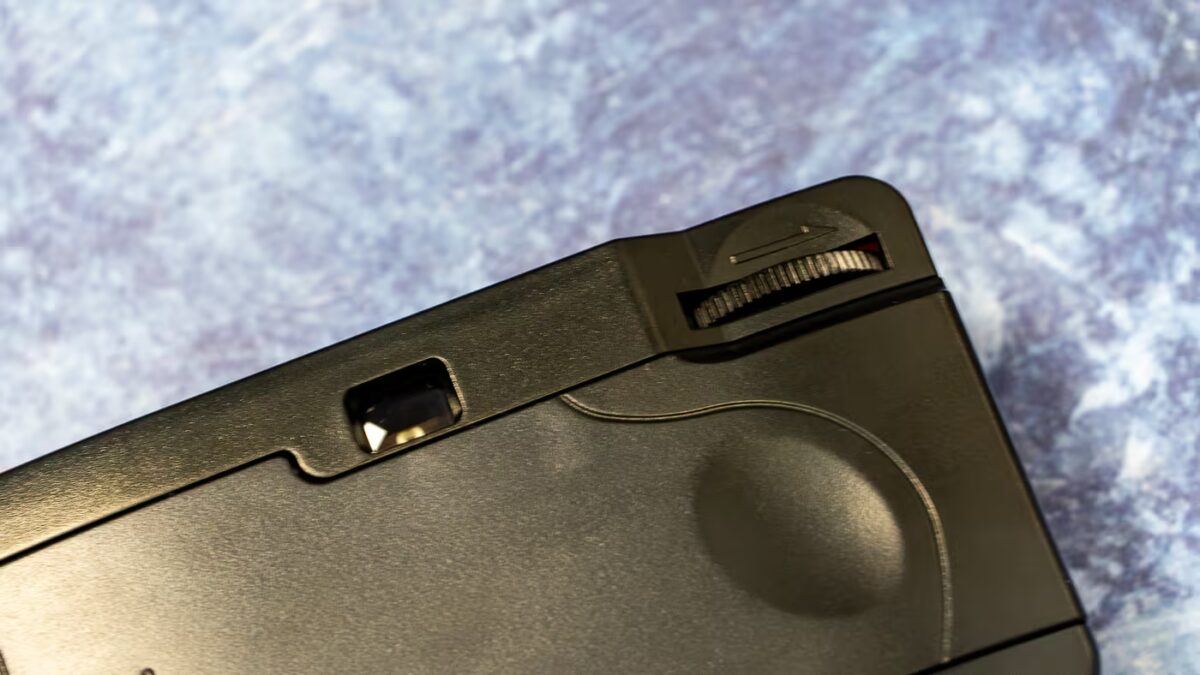
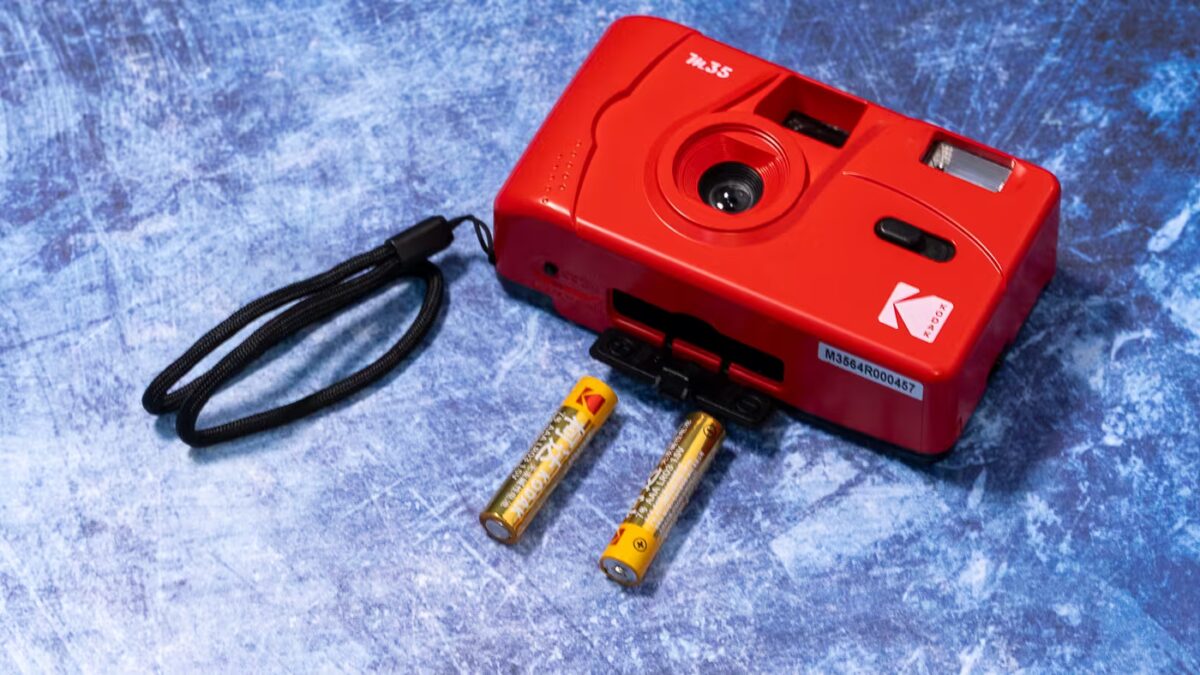
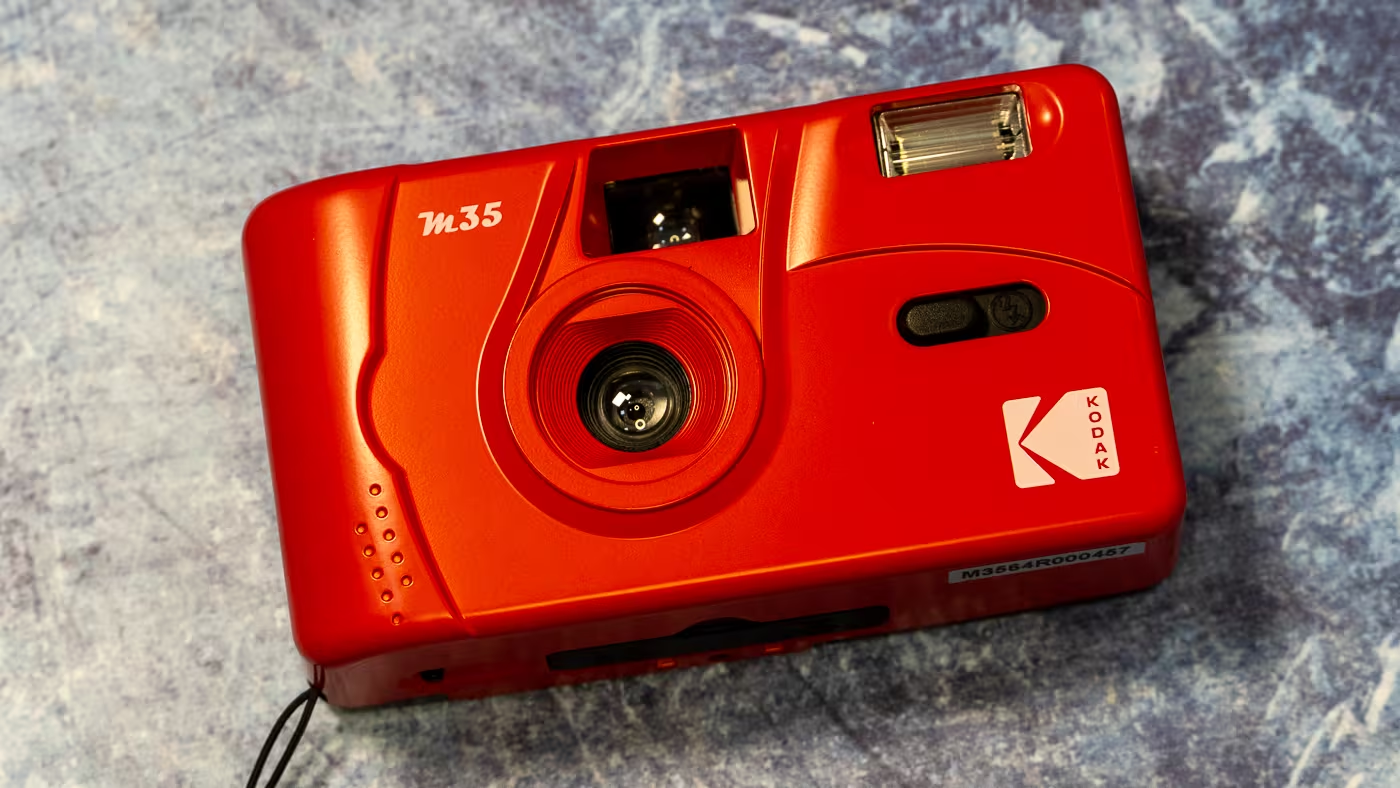
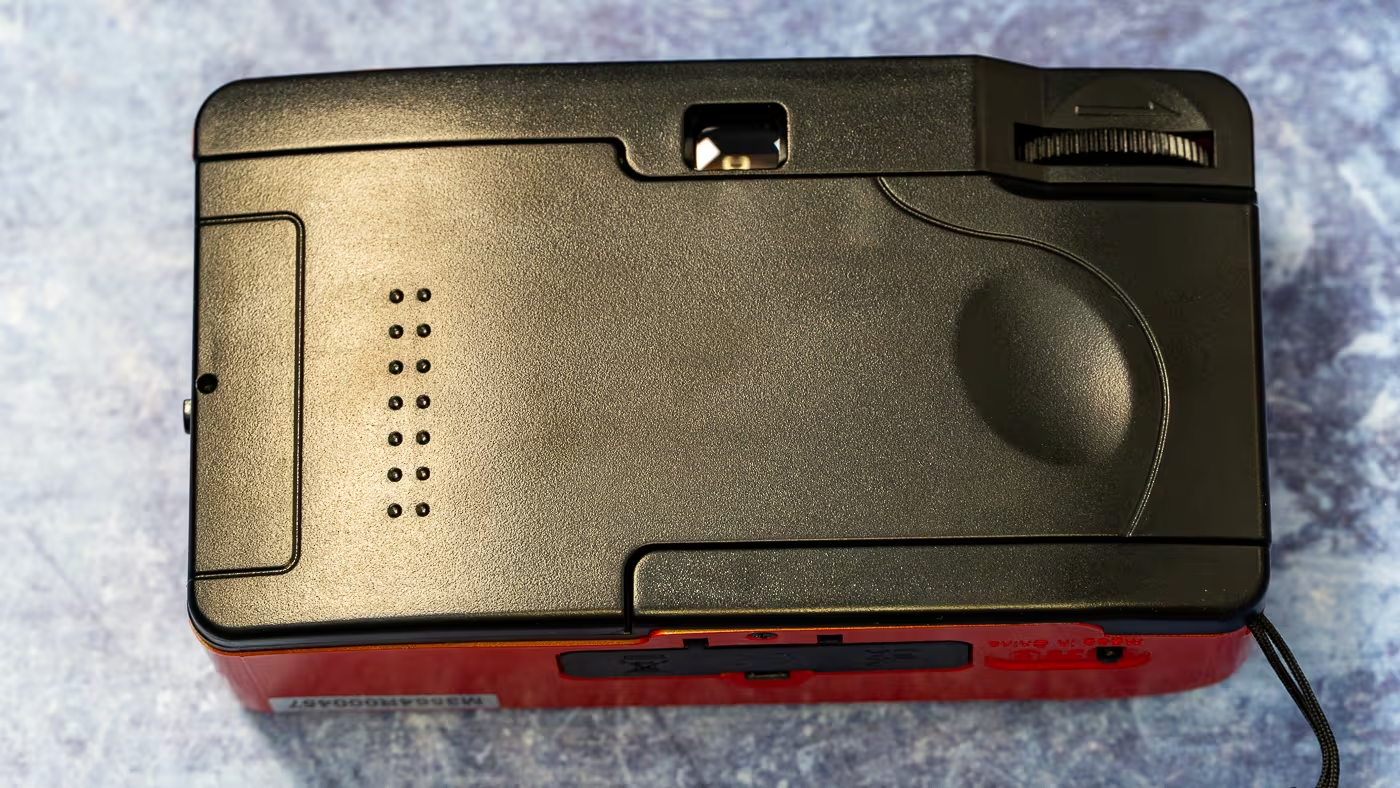
The controls couldn’t be simpler. There’s no lens cap-these days, the lens cap slider has been replaced with a flash activation switch. You get a basic viewfinder, flash, shutter button with frame counter, battery compartment, and a manual film advance wheel. Plus a rewind dial at the bottom. Nothing more, because that’s all you need.
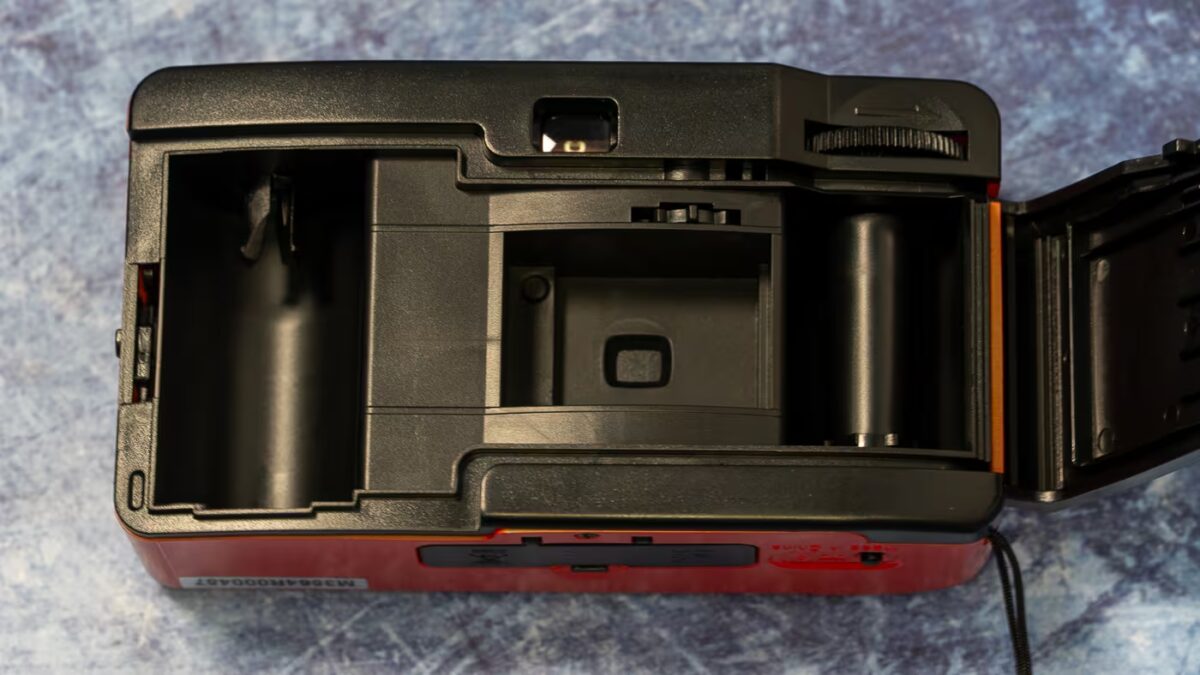
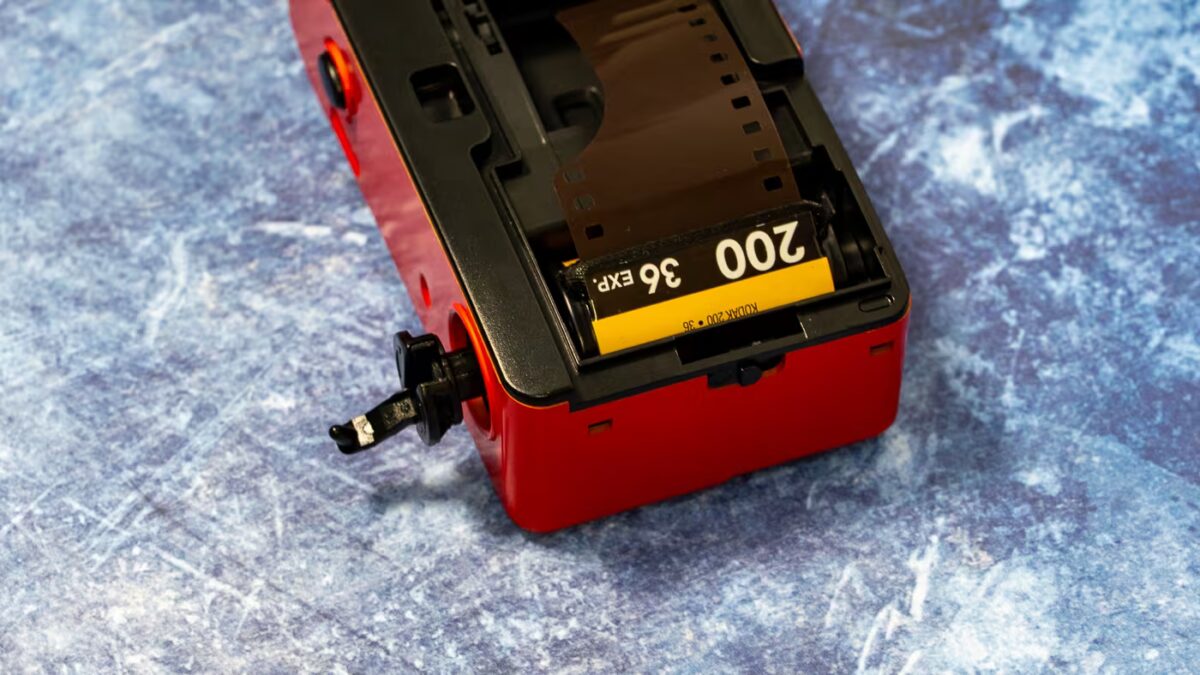
Loading film is straightforward: pop the back open, pull out the rewind peg, pull the film strip, and slot the sprocket holes onto the advance wheel. Sounds tricky, but anyone from the ’80s or ’90s likely does this blindfolded. For Zoomers, it’s a lesson in analog basics.
After loading, close the back, fire some test shots, rewind manually with the thumb wheel, and you’re set. No settings, no LCD, no instant previews. You shoot a whole roll, develop it, then see your images. The joy is in the process-unhurried, simple, and nothing like the swipe-and-delete hustle on phones.
Kodak M35 lens and technical specs
The lens is basic: fixed focus, 31mm single plastic element at f/10. Shutter speed is fixed at 1/120s. Photos come out sharp enough with good lighting-you’ll want daylight or a bright room. The built-in flash isn’t powerful but adequate, with a 70 µF capacitor. The viewfinder shows roughly 70% of the frame, so you might end up cropping a bit.
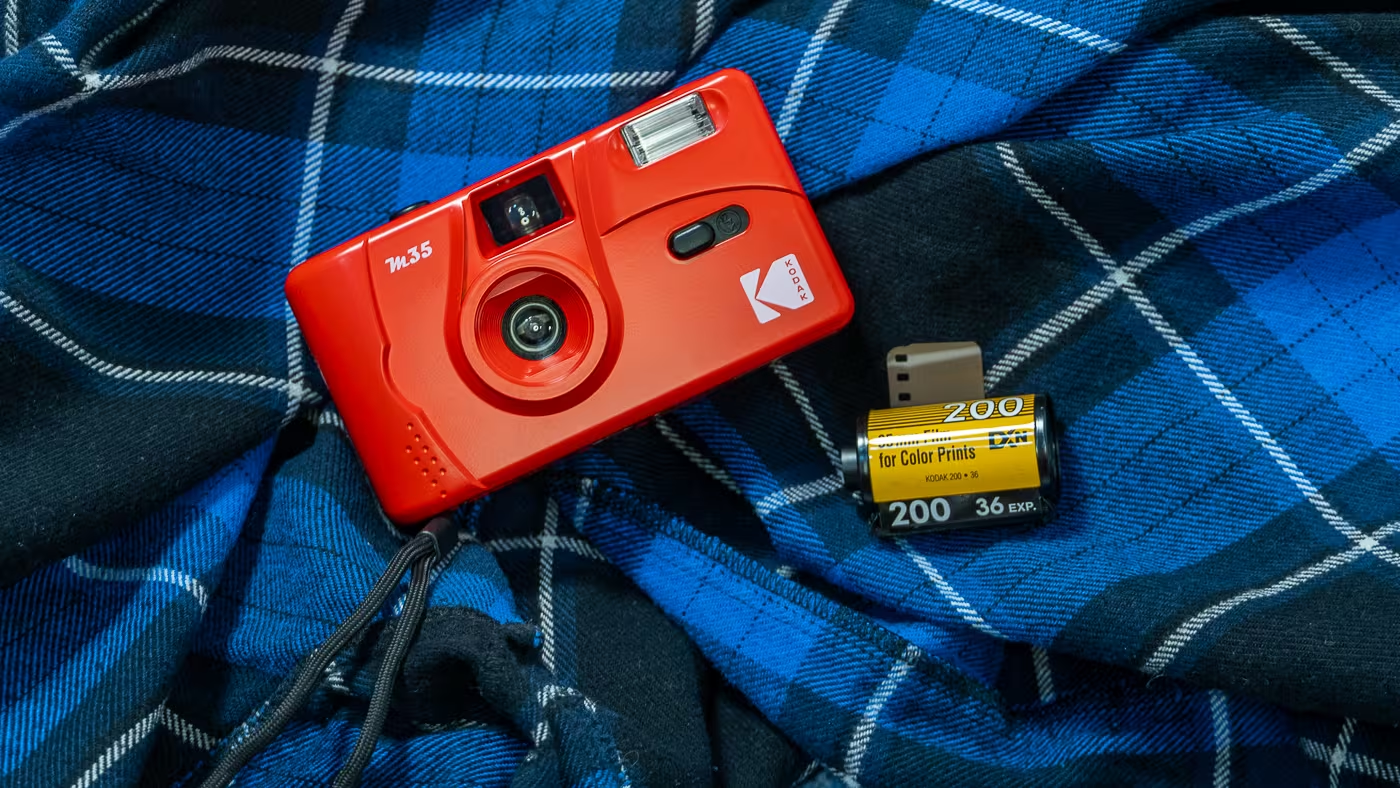
The flash operation is straightforward: switch it on, and the aperture opens to f/10; switch it off, and it narrows to f/11-16. Everything else depends on your hands and film choice. Speaking of which, Kodak UltraMax ISO 400 film is recommended as the sweet spot, offering better dynamic range than ISO 200 Kodak Color Plus. Beginners will do fine with the latter, and from there you can play with black-and-white or specialty films. And yes, post-processing tweaks remain possible but feel almost unnecessary given the analog charm.
Kodak M35 image quality
Let’s be honest: the M35 isn’t razor-sharp. The single plastic lens struggles with fine detail, and the edges of shots are predictably soft. This softness, along with mild vignetting, grain from ISO 200 film, and occasional flare, forms the authentic analog aesthetic that filters on apps like VSCO and Lightroom only mimic. These photos look like they belong in the early ’90s, not 2026.





Night shooting is where the Kodak M35 struggles most. The flash is usable up to 3 meters, which works okay for small indoor parties but won’t help much outdoors after dark.
How to shoot with the Kodak M35 film camera, from loading film to development
This isn’t your smartphone’s instant gratification machine. There’s no gallery, no deleting bad shots, no preview. That’s the point. Loading film takes about 30 seconds: flick the side latch, insert the film cartridge on the left, pull the film leader and hook it onto the sprocket on the right, close the back, then fire a couple of blank shots while advancing the film until the counter hits ”1.” Ready to shoot.
Shooting is as simple as point-and-click. After each shot, you manually advance the film with the thumb wheel. Flip on the flash if it’s dark; otherwise, leave it off. When the roll ends, the advance wheel won’t turn. Press the rewind button on the bottom and spin the rewind knob until the film sits fully back in its cartridge-only then open the back or you risk ruining your shots.
Film development is the key difference from digital. You only see your pictures after chemical processing. In Moscow, developing and scanning typically costs 500-800 rubles (about $6-10), with similar rates applying elsewhere. Film labs remain plentiful. In 2026, you simply drop off your roll, then receive high-resolution digital scans by email or cloud link. You can opt to keep or discard negatives, and printing is optional. The choice to print, post, or archive is yours.
That wait is part of the charm. Snap shots at a Saturday party, then discover the results days later. Every shot feels like a little surprise-a ”warm, nostalgic vibe” that digital just can’t replicate.
Kodak M35 film camera alternatives and competitors
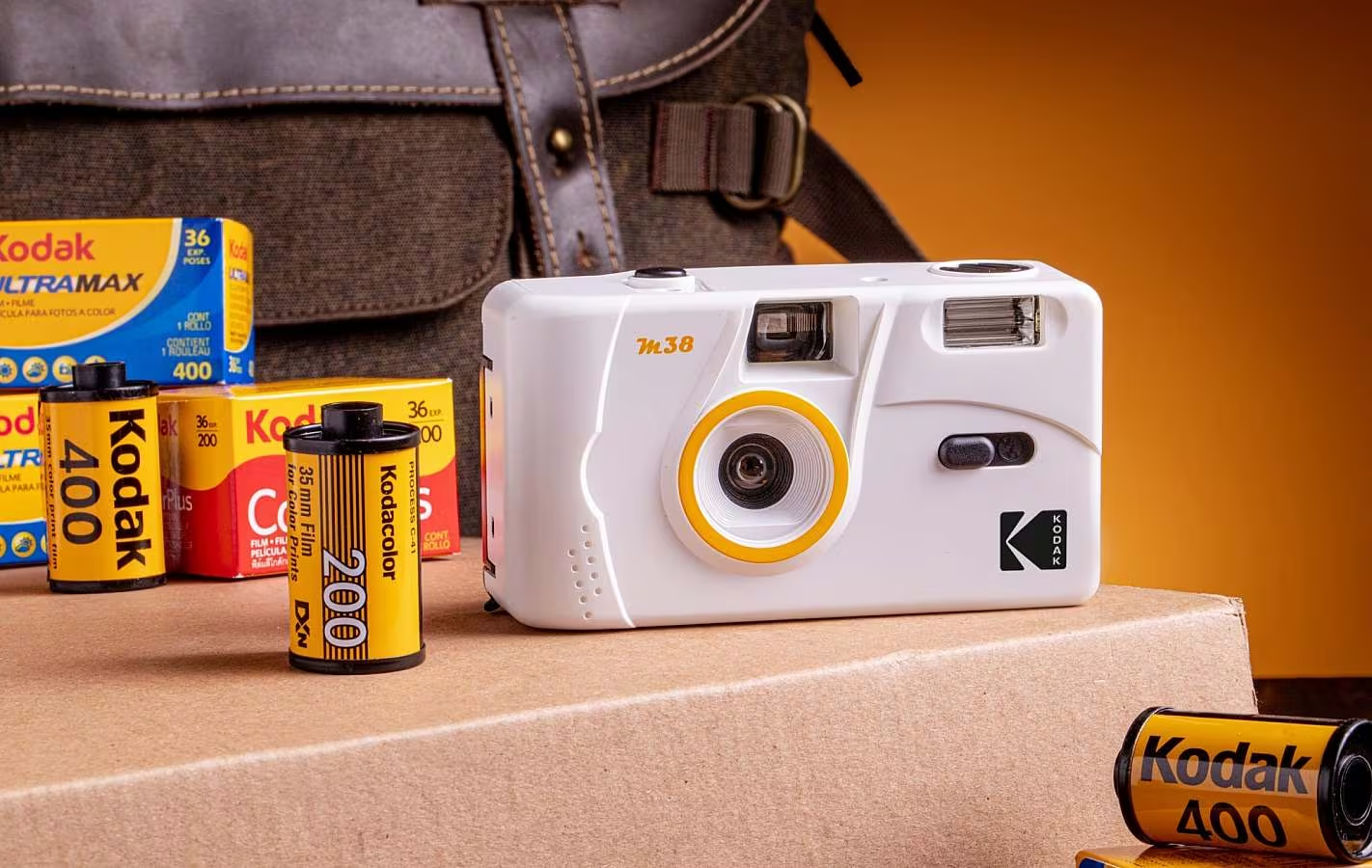
The Kodak M38 is a close sibling to the M35, nearly identical but with a stronger 120 µF flash capacitor versus M35’s 70 µF, and it weighs 116.5 grams instead of 100. It’s a little pricier and better suited for indoor shots. But like the M35, it’s weak for nighttime outdoor photography.
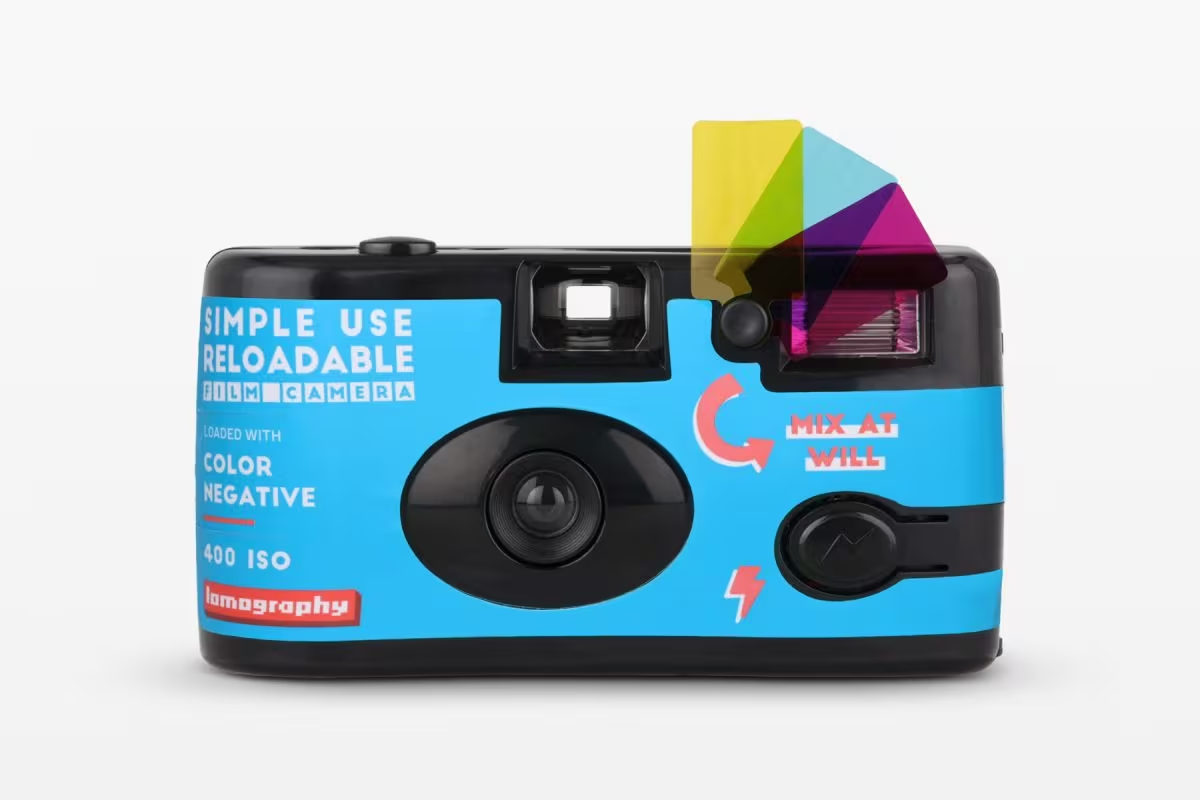
Lomography’s Simple Use Reloadable camera looks and feels like a disposable but is reusable. It’s cheaper than the M35 and comes with a 36-exposure roll of color negative film-an attractive option for those watching their budget.
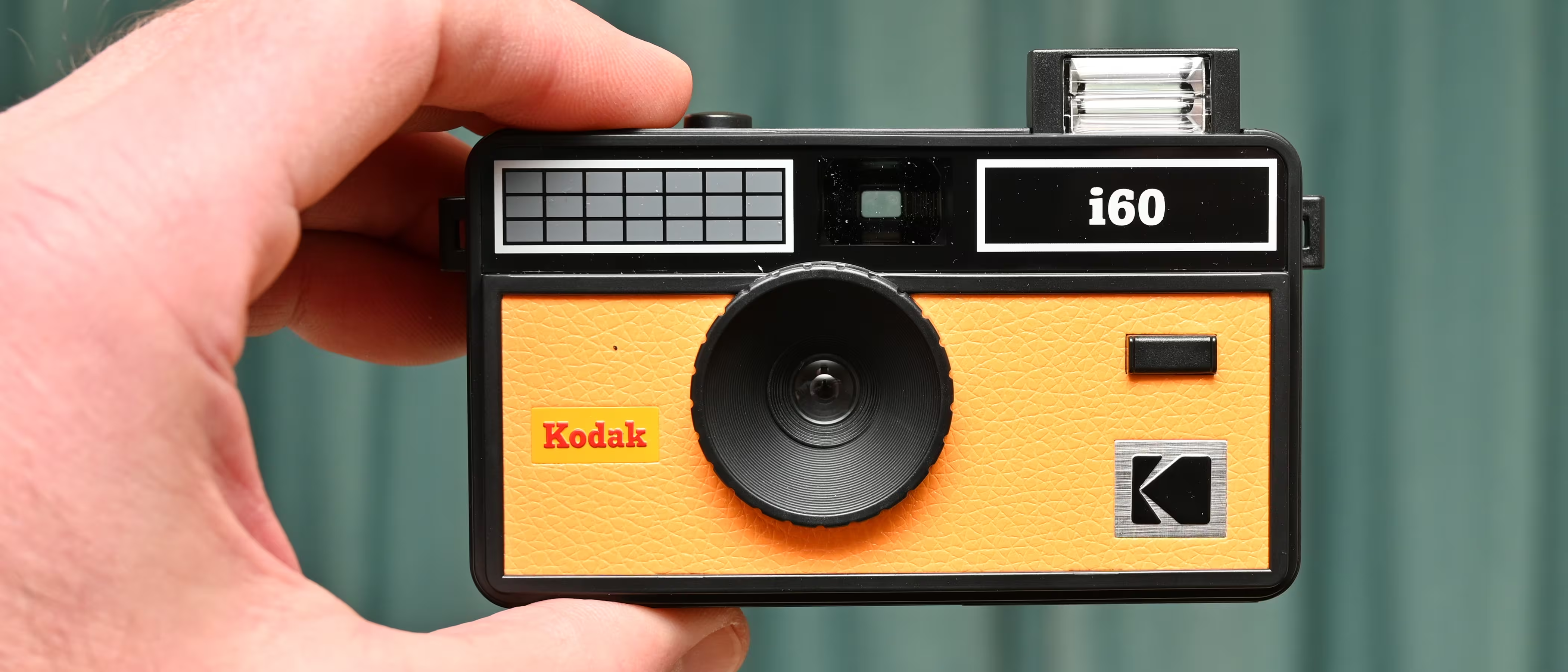
Another option from the same manufacturer is the Kodak i60, a retro-styled camera inspired by the Instamatic designs of the 1970s. It looks cool but has a finicky battery compartment. Still, if you’re into vintage vibes, it’s worth considering.
For around $30-50, you can also hunt for used compact autofocus film cameras with glass lenses. These deliver fundamentally better image quality and are the better choice if you want to learn film photography as an art. However, the M35 doesn’t aim to teach photography-it’s about capturing moments with minimal fuss.
Kodak M35 film camera pricing and availability
The Kodak M35 film camera pricing varies by region and color:
- In Russia, the M35 starts at 2,290 rubles (~$30) for the black model, with colored versions up to 3,500 rubles (~$45).
- In the U.S., it sells for about $27 online and in retail.
- Chinese listings can dip to around 1,500 rubles (~$20), though shipping takes longer.
Final thoughts on the Kodak M35 film camera
Kodak M35 occupies a sweet spot where retro aesthetics meet the ”good enough” cultural mindset. For digital natives holding a film camera for the first time, loading film and shooting is straightforward and stress-free.
It doesn’t teach technical photography skills. Instead, it teaches patience, respect for your frames, and trusting chance-a surprisingly valuable experience in a world of endless digital storage and infinite retakes. That’s why the M35 sits alongside vinyl players and cassette decks-not as a relic, but as a functional tool for a new analog lifestyle.
As film photography’s niche keeps growing, the Kodak M35 raises an interesting question: will this kind of low-tech, no-settings camera spark a wider reappreciation of analog photography’s unpredictable moments? Or will the instant gratification of digital always win for most people? Either way, the growing community of film users suggests analog has found a new lease on life-not just as nostalgia but as a deliberate aesthetic choice.