

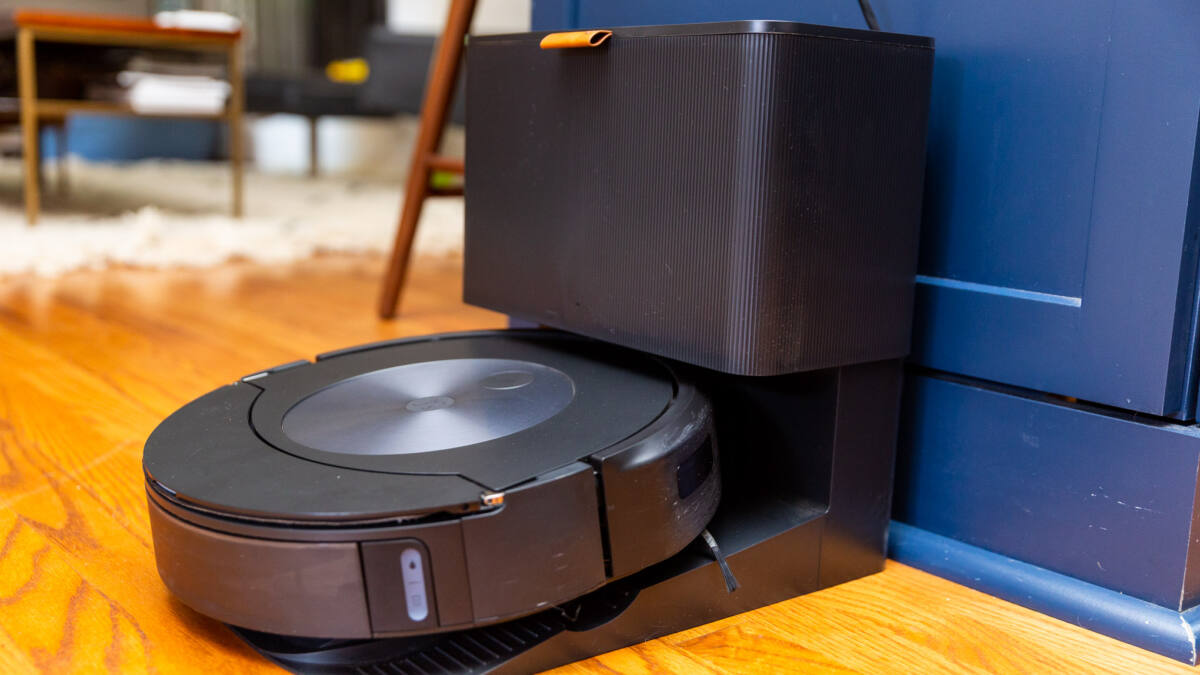
When a Chinese company buys a household-name robot vacuum maker, most people’s first reaction is: will my Roomba still work? The second reaction is usually about data – the maps, schedules, and movement logs those vacuums collect. iRobot says you can relax: iRobot Safe will now handle data for US customers’ Roomba robot vacuum cleaners, and the company promises that the information will stay under US control.
The move comes after China-based Picea Robotics completed a court-supervised acquisition of iRobot. In a press release published on January 23rd, iRobot announced the formation of a new US-based subsidiary, iRobot Safe, which the company says will be ”responsible for the protection of US consumer data.” The setup is being compared to the TikTok deal that was completed last month – an arrangement intended to separate American user data from foreign ownership.
Practically, iRobot says US customers can keep using their robovacs as usual. The important change is administrative: customer data for US accounts will be handled by iRobot Safe rather than by Picea. The new subsidiary will have its own US-based board, CEO, and data security officer, and iRobot will remain headquartered in Bedford, Massachusetts while now being wholly privately owned by Picea.
iRobot’s troubles started earlier: the company filed for bankruptcy in December, and announced the Picea deal at the same time. That takeover follows an attempted acquisition by Amazon that fell through in 2024. The bankruptcy and ownership shuffle help explain why iRobot and regulators felt they needed an explicit separation between ownership and US consumer data.
”Creating a US-based custodian for consumer data is an increasingly common compromise when national security concerns collide with cross-border deals,” says Dr. Maya Chen, director of IoT policy at Atlantic Security Labs. ”Whether that custodian has real independence depends on governance details and operational controls – the board and leadership matter, but so do audits and transparency.”
What this arrangement actually does
Think of iRobot Safe as a firewall on paper: it’s supposed to keep control of US data within a US entity even though the parent company sits overseas. That model echoed the solution used in the recent TikTok settlement, where a US-based custodian was created to manage American users’ information. But papers and press releases don’t automatically prevent access; technical controls, independent audits, and regulatory oversight will determine whether separation is meaningful.
For customers, the immediate experience should be unchanged – maps and schedules will still sync to the cloud and to your app. For privacy watchdogs and lawmakers, the next step will be scrutinizing the subsidiary’s charter, staffing, and the technical barriers that prevent cross-border data flows.
Why you should care
These corporate contortions set a precedent. Other foreign owners of US consumer tech may try the same playbook: create a domestic company to hold and manage data while the parent company owns the hardware and IP offshore. That raises questions about enforcement and long-term independence – and whether future legal or political pressure could pierce whatever protections are put in place.
Watch for three signals over the next year: who iRobot Safe hires (especially its data security officer), whether it publishes independent audit results, and how US regulators respond. If iRobot Safe is transparent and subject to third-party verification, the arrangement could calm concerns. If it stays opaque, expect renewed scrutiny from Congress and privacy advocates.
Ultimately, this is both a technical and a political solution to a commercial problem. iRobot Safe might keep your Roomba’s data in the US on paper, but proving that separation will determine whether consumers – and regulators – buy into the promise.
Photo credit: Jennifer Pattison Tuohy / The Verge
Published: Feb 13, 2026