

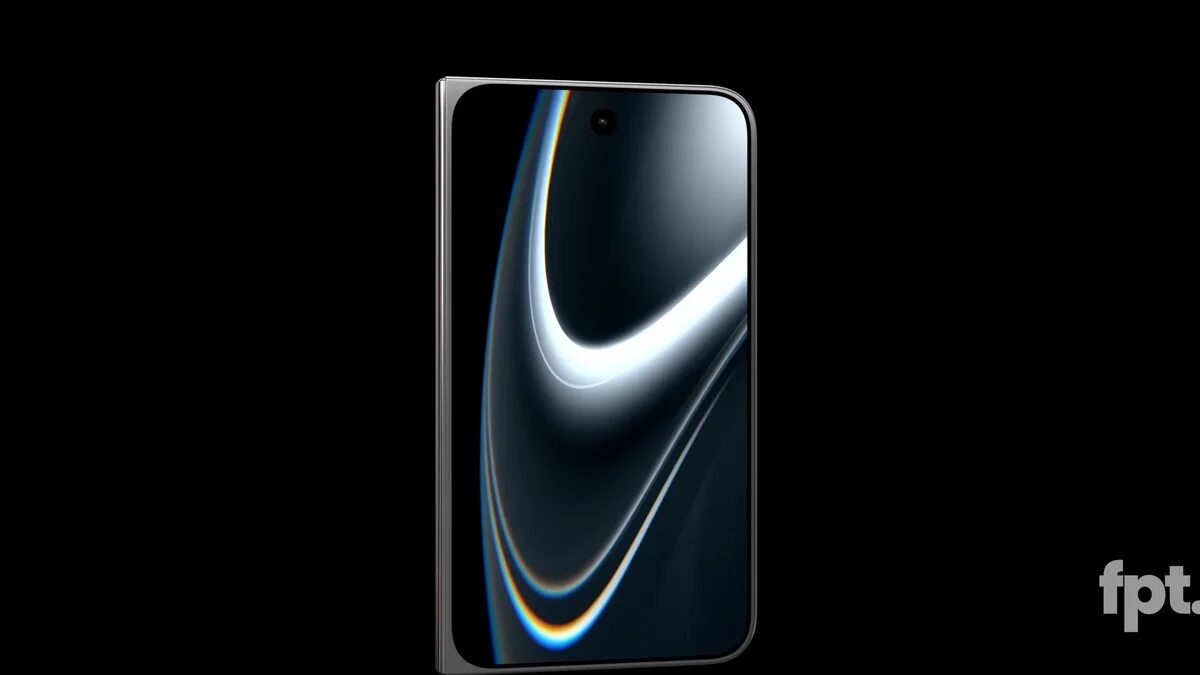
Apple is reportedly gearing up for a very big first run of the iPhone Fold, with one supply-chain tipster saying initial stock could reach 11 million units. That sounds aggressive for a product category that is still niche, but it also fits Apple’s favorite habit: arrive late, then act like it planned the whole market all along.
The catch is that foldables are still foldables. They are expensive, awkward for some buyers, and nowhere near mainstream volume yet. Apple may be hoping the iPhone Fold becomes the device that finally normalizes the format for people who have ignored Samsung and everyone else up to now.
Apple’s 11 million-unit starting point
The latest claim says Apple has increased the initial inventory for the first foldable iPhone by 20%, landing on an expected stocking level of 11 million units. The same source says the phone is still set to launch this year, with only a small chance of delay and a release window no more than a month after the iPhone 18 Pro.
That figure is much higher than another rumor from late last year, which said Apple had ordered 11 million OLED panels from Samsung, and far above a more recent report suggesting Samsung Display would make only 3 million panels for the first production run. The gap tells you something simple: nobody outside Apple appears to know the real number, and the company is probably keeping its options open while demand tests are still going on.
What Apple could sell in a year
IDC’s forecast from late last year puts global foldable shipments at a little over 20 million in 2025, with the market growing 29.7% in 2026 largely because of Apple. The same forecast gives the iPhone Fold about 22% of the whole foldable market in 2026, which works out to roughly 6 million shipments by the end of this year.
- Rumored initial stock: 11 million units
- IDC forecast for global foldables in 2025: a little over 20 million shipments
- IDC forecast for 2026 growth: 29.7%
- Expected iPhone Fold share in 2026: 22%
- Back-of-the-envelope Apple shipments by end of this year: about 6 million
That is the sort of number that looks huge in a keynote and modest in the broader phone business. Apple can dominate a small market without moving much of its own revenue needle, which is probably why the company is treating the iPhone Fold as an experiment rather than a replacement for the regular lineup.
Price, timing and Samsung’s counterpunch
The biggest swing factor is cost. One report says the manufacturing cost of an Apple foldable is up to five times higher than that of a standard iPhone model, and Apple is still said to be negotiating manufacturing price and material selection. That can mean a slight delay, and it also helps explain why the phone is expected to cost over $2,000, with some rumors putting it as high as $2,400.
Samsung is also lining up a direct response. Its foldables are expected in late July, including the Galaxy Z Fold 8, Galaxy Z Flip 8, and a new Galaxy Z Fold Wide with the same wider form factor as the iPhone Fold but at a lower price. If Apple’s version lands later and costs more, Samsung gets the easiest pitch in the world: same idea, fewer zeros.
Apple has stumbled before with the iPhone Air, Plus and mini models, so there is no reason to assume the foldable will magically avoid the same fate. Still, this launch could do something more useful than transform Apple’s business: it could drag foldables out of the enthusiast ghetto and into the hands of people who usually buy whatever the store has in stock. The open question is whether those people actually want a foldable, or just like the idea of owning the one Apple made first.