

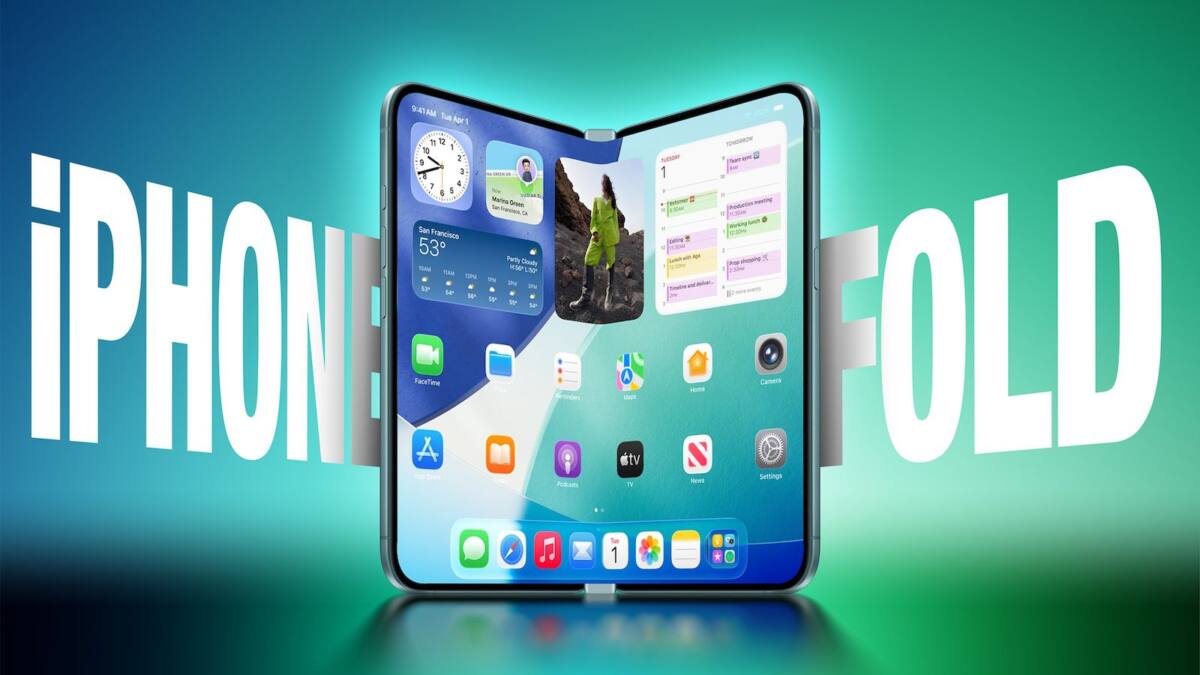
Apple’s upcoming foldable iPhone, slated for launch in September, aims to blur the lines between smartphone and tablet by offering an iPad-style user interface optimized for multitasking. Unlike any iPhone before it, the device will support running two apps side-by-side on its inner screen, embracing a broader and more versatile display layout. The iPhone Fold will combine portability with enhanced multitasking features, running iOS adapted for this new format.
When unfolded, the iPhone Fold’s display will approximate the size and aspect ratio of an iPad mini, featuring a 4:3 ratio that’s wider than most rival foldables. This wider layout better facilitates multitasking, video consumption, and an iPad-like sidebar design for apps. Although the device runs iOS rather than iPadOS, developers will receive tools to adapt their apps for this new display and multitasking capabilities.
Closed, the device resembles a conventional iPhone with a single screen, including a hole-punch front-facing camera and a fingerprint sensor embedded in the power button rather than Face ID. Apple reportedly debated embedding the front camera under the display but found image quality lacking. The rear camera system is dual-lens due to space constraints, foregoing the triple-camera setup found on larger iPhones.
Pricing is expected to start around $2,000, making the iPhone Fold the most expensive iPhone Apple has released. Apple’s decision to omit Face ID and use a fingerprint sensor reflects a compromise to balance innovative features with the device’s unique form factor. Additionally, the wider, iPad-like aspect ratio distinguishes it from foldable competitors like Samsung’s Galaxy Z Fold, which favor taller, narrow screens.
This foldable iPhone’s hybrid identity represents Apple’s next step in mobile computing by merging smartphone and tablet experiences into one device. While the multitasking functionality pushes beyond traditional smartphone capabilities, sticking with iOS offers a potentially more streamlined experience compared to iPad users.