

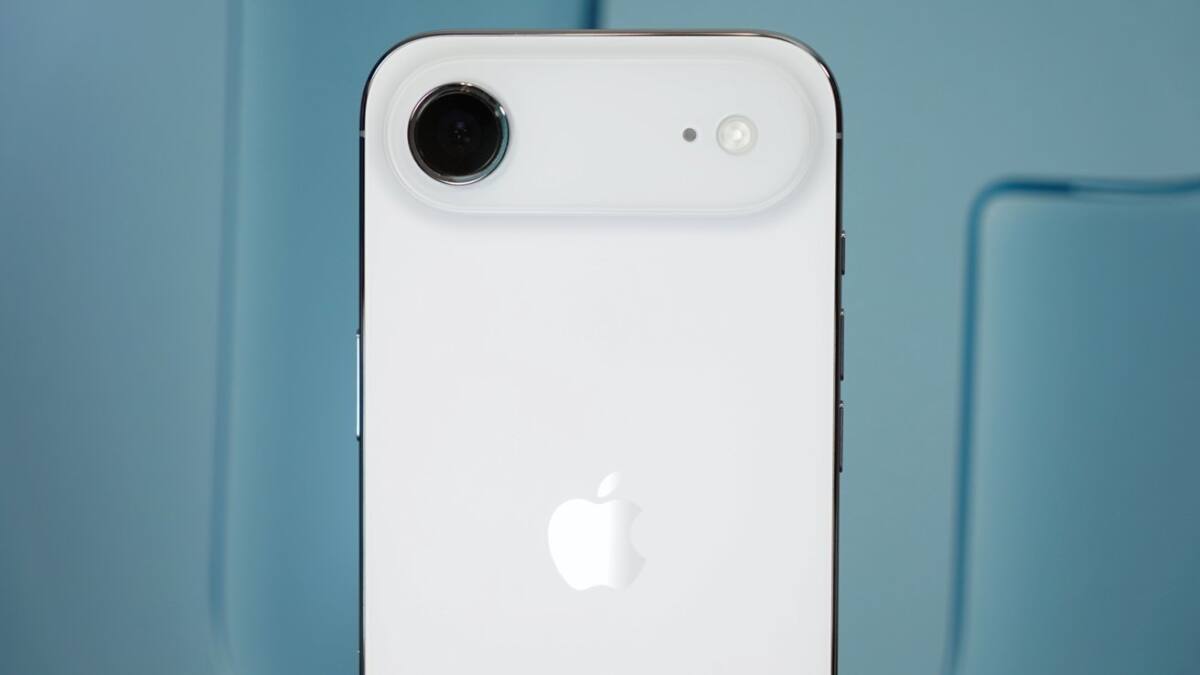
Despite early skepticism, the iPhone Air has emerged as a quietly successful addition to Apple’s lineup, significantly outperforming its predecessor, the iPhone 16 Plus. Recent data from Ookla reveals that the iPhone Air has more than doubled its share of active devices within the iPhone 17 generation, signaling that Apple’s redefined mid-tier smartphone strategy is resonating with buyers worldwide.
According to Ookla’s Q4 2025 analysis of global Speedtest data, the iPhone 17 Air commands 6.8% of all iPhone 17 models in active use, compared to just 2.9% for the iPhone 16 Plus a year earlier. These figures are drawn from real-world network testing and reflect usage rather than shipment volumes, underscoring that more users are choosing the iPhone Air over the iPhone 16 Plus even as Apple’s overall sales grow.
How the iPhone Air shapes Apple’s mid-tier smartphone identity
The iPhone Air has addressed the long-standing confusion around Apple’s mid-tier offering, which had traditionally struggled to stand out between the base and Pro models. Where the Plus versions were differentiated largely by size, the Air establishes a clearer identity that appeals to customers looking for a balanced device without top-tier Pro price tags or features.
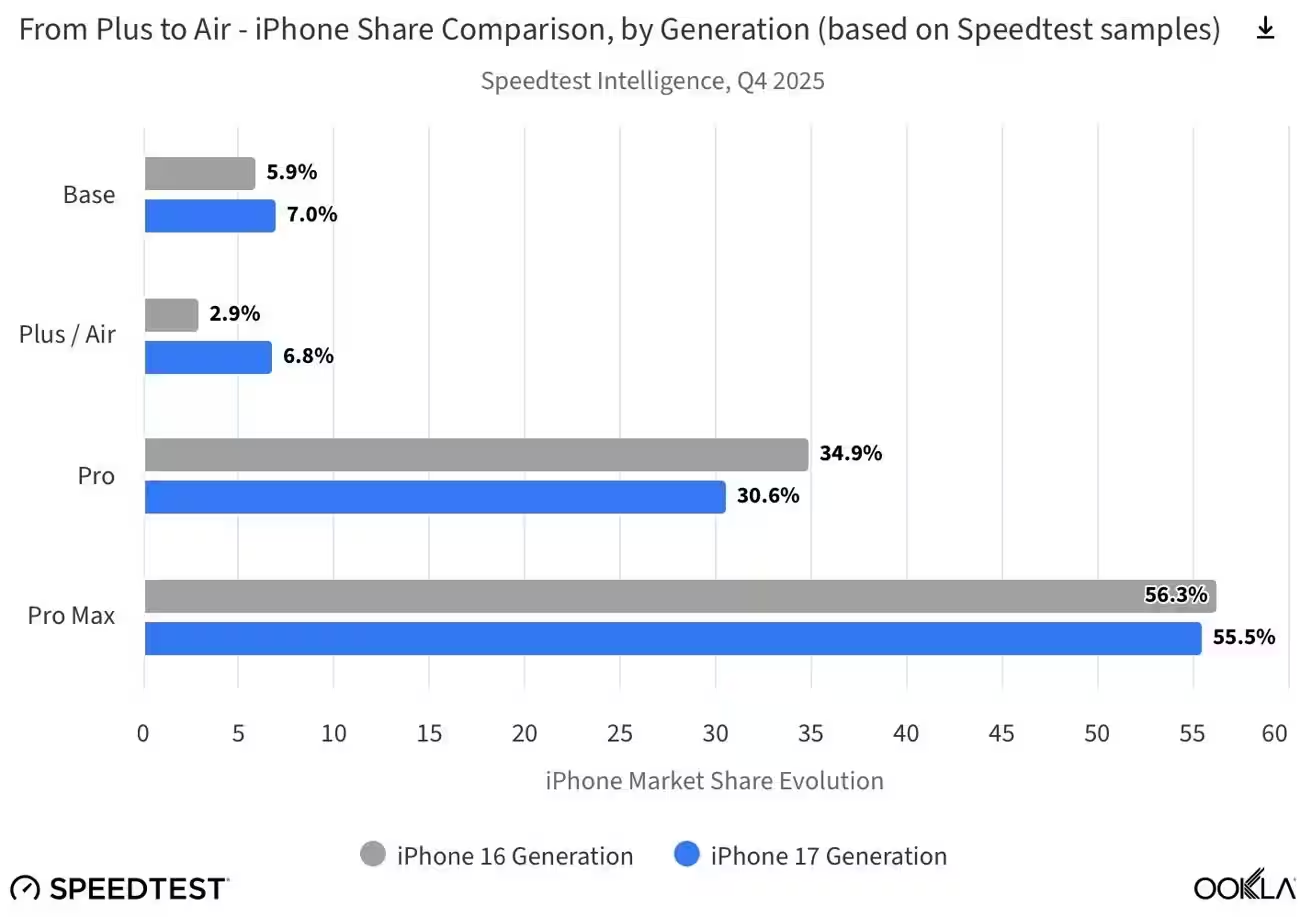
The shift in consumer preference is evident in the data, which shows the iPhone Air gaining traction mostly at the expense of the standard iPhone 17 Pro, while the flagship iPhone 17 Pro Max remains steady in its market share. This dynamic suggests buyers are willing to forgo some high-end features to gain a more defined and appealing mid-range alternative, boosting Apple’s lineup balance.
iPhone 17 lineup segmentation and regional usage trends
The iPhone 17 series shows clearer segmentation than before: the base model’s share rose from 5.9% to 7.0%, while the iPhone Air solidified its mid-tier presence and the Pro Max dominates the premium segment. This structure helps reduce overlap and confusion, making each model’s target audience more distinct.
Geographically, the iPhone Air is particularly popular in markets like South Korea and Japan, where style and size heavily influence consumer decisions. In the US, the lineup’s share is more evenly distributed, reflecting a broader range of user preferences. By focusing on usage data rather than shipment alone, these insights capture how Apple’s mid-tier smartphone strategy plays out in diverse real-world contexts.
Overall, replacing the iPhone 16 Plus with the iPhone Air not only helped Apple double the mid-tier segment’s footprint but also reinvigorated a part of its portfolio that was previously underwhelming. This outcome underscores the value of refining product positioning rather than just renaming models.