

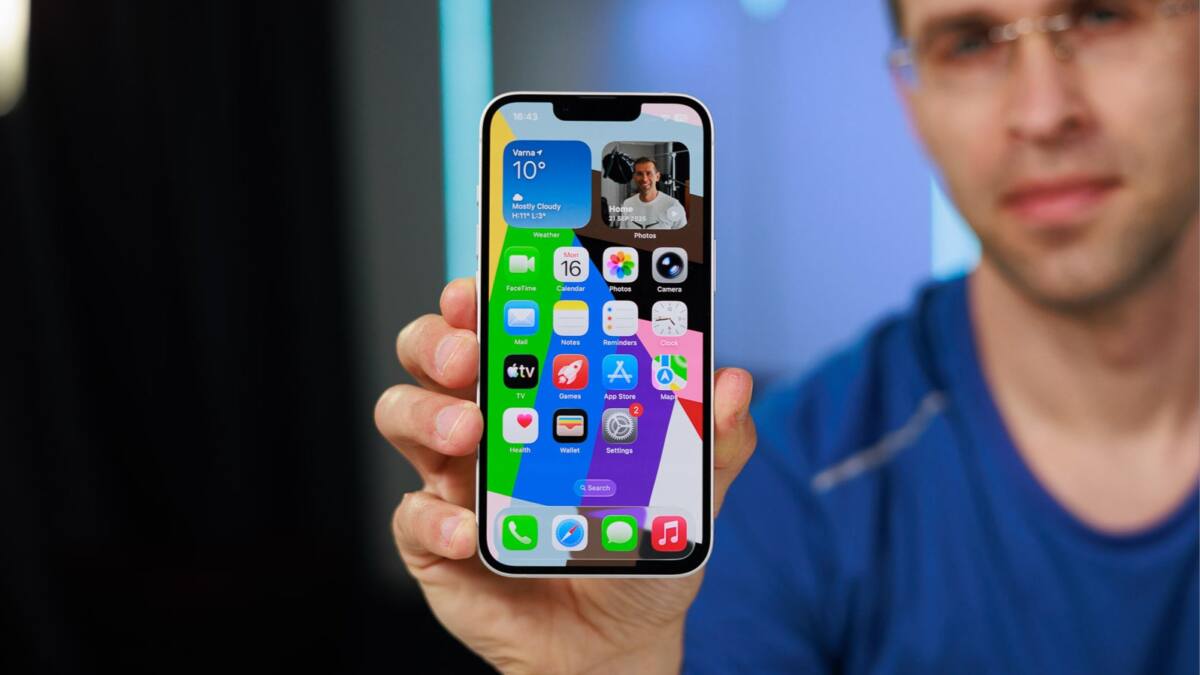
Apple has opened the Self Service Repair Store for the iPhone 17e, giving owners access to official parts, manuals, and tool rentals without booking a Genius Bar visit. That means the back glass, bottom speaker, and other common components are now fair game for people willing to do their own wrenching, which is a nicer sentence than ”please don’t shatter your phone twice.”
The update also extends self-repair support to the MacBook Neo and iPad Air (M4), but the iPhone 17e is the headline item because it arrives so soon after launch. Apple says customers can order genuine replacement parts and use its repair manuals, then send back old parts afterward for credit.
What iPhone 17e owners can repair
Apple has not listed every part in the update, but the program usually covers the obvious high-friction jobs first: batteries, displays, cameras, and speakers. If you do not want to buy the specialized tools outright, you can rent Apple’s repair kit instead. That setup is still not exactly casual, but it is a long way from the old ”hope for the best and buy a new phone” model.
- Official back glass and bottom speaker parts are available now.
- Apple’s repair manuals guide the process step by step.
- Tool rentals are available if you do not own the kit.
- Returned old parts can earn credit toward the purchase.
Apple’s self-repair program is still catching up
This is good news, but it is also a reminder that Apple did not exactly sprint toward repair access on its own. The company spent years resisting right-to-repair legislation, and only launched the program in 2022 after pressure from the FTC and lawmakers piled up. That makes the iPhone 17e support useful, yes, but also overdue.
The timing matters because the 17e is a $600 phone, and early self-repair access makes a budget-friendly model easier to live with over time. Plenty of people will still prefer a repair shop, but for owners who live far from an Apple Store, the option itself is the point.
Repair support may become a selling point
Apple likes to frame self-repair as empowerment. Fair enough. The more practical read is that the company is slowly turning repair access into table stakes, because regulators, critics, and competitors have made the old closed system harder to defend.
The interesting question now is whether Apple keeps widening access this quickly for future devices, or whether the iPhone 17e gets the fast lane because it is a new model that needs a softer public landing. If the company is serious, repairability will show up earlier and more broadly across the lineup, not just when the optics are convenient.