

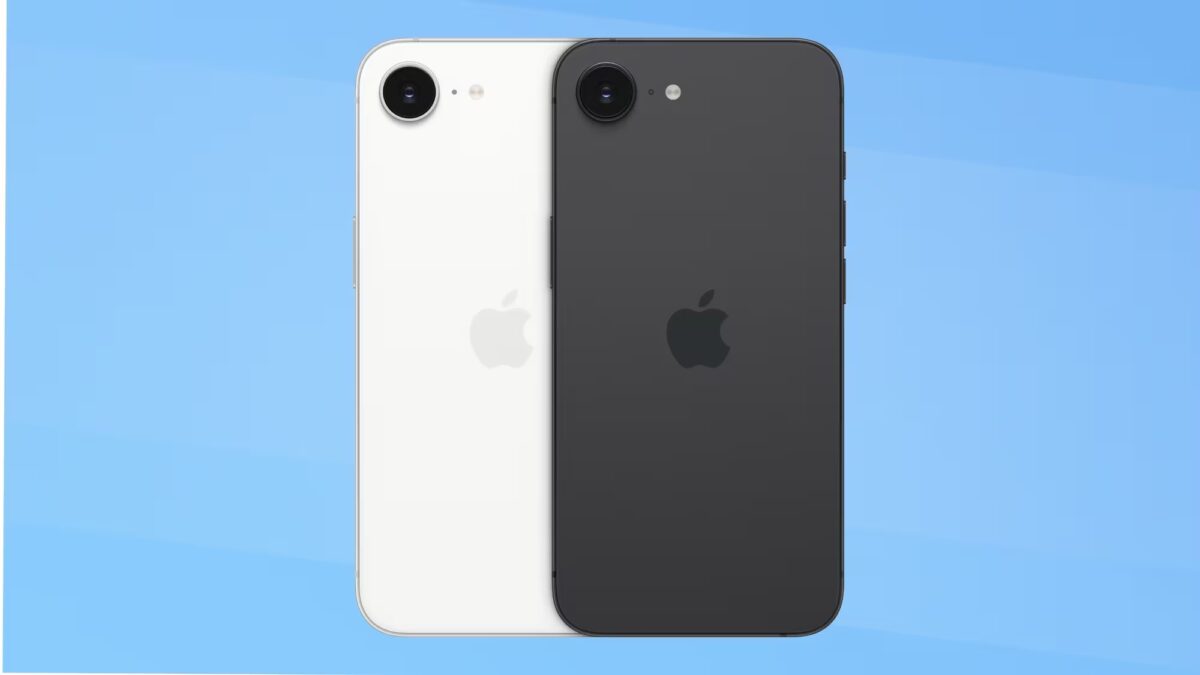
Earlier this month, Apple unveiled the iPhone 17e, which brought minor upgrades over the iPhone 16e-most notably, adding MagSafe support. Now, a teardown reveals that owners of the iPhone 16e can retrofit their devices to support MagSafe by swapping the rear panel with the one from the newer model.
iFixit’s teardown showed that replacing the iPhone 16e’s back cover with that of the iPhone 17e enables MagSafe functionality on the older model. However, this hardware mod comes with significant caveats. The iPhone 16e lacks Qi2 wireless charging standard support, meaning it can’t reliably reach the full 15W wireless charging speeds. Additionally, Apple’s MagSafe software features, like the signature charging animation, remain unavailable.
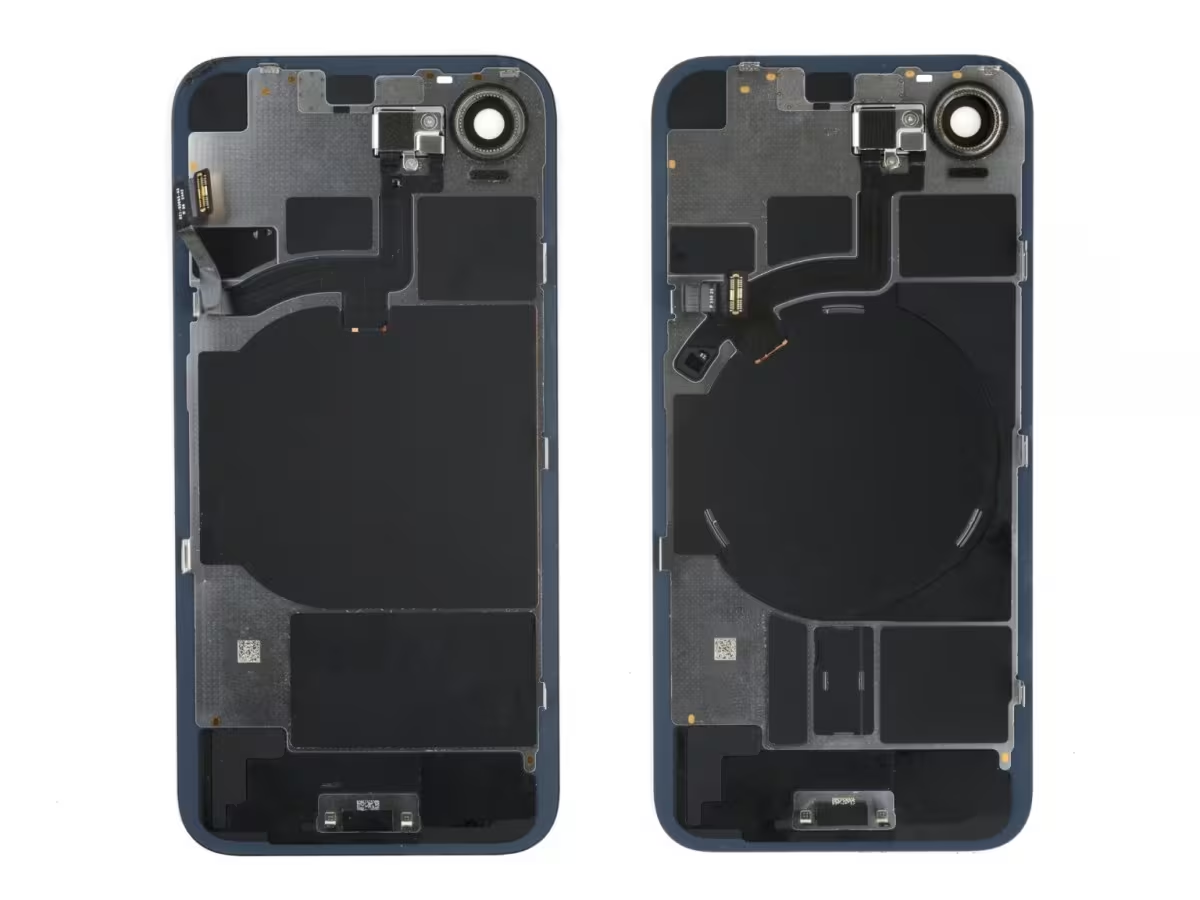
The teardown also highlighted a surprisingly high level of parts compatibility between the two models. Most components, including the logic board, are interchangeable. Both phones share the same 1728mAh battery.
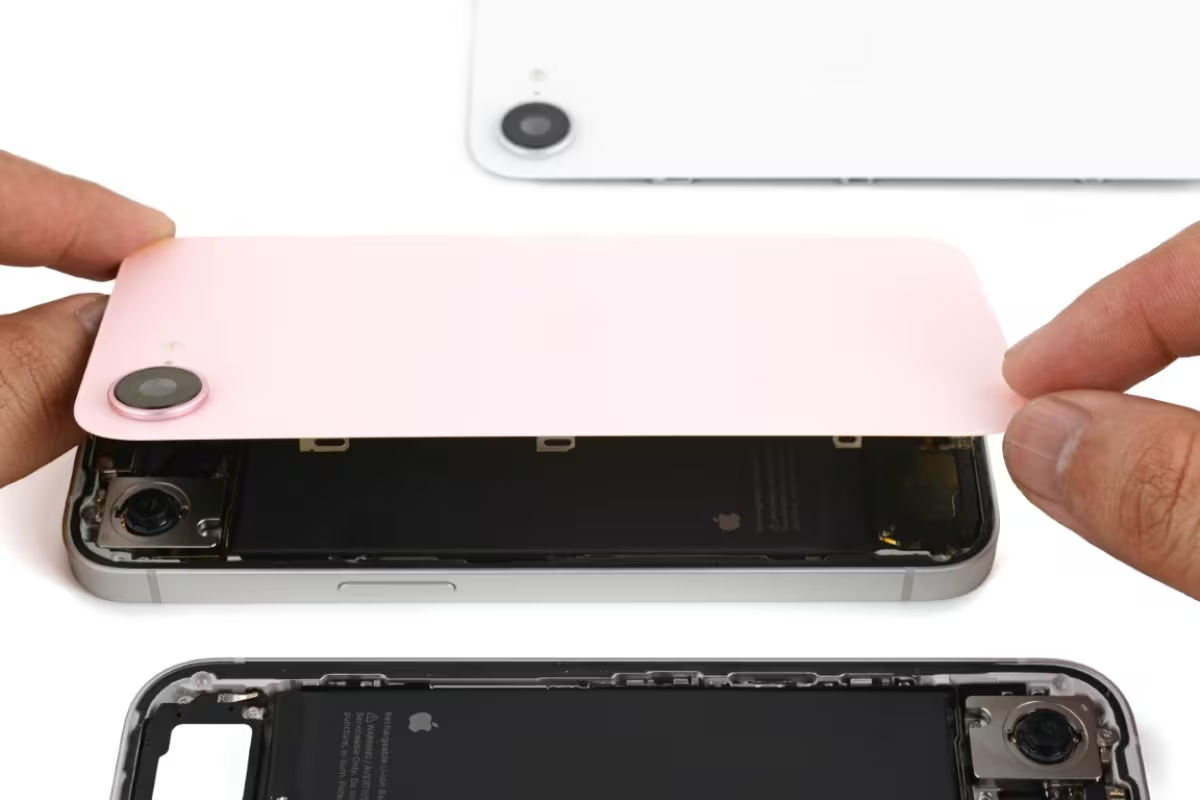
One major drawback: after the rear panel swap, Face ID stopped working, although the front-facing camera continued to function normally. Despite that limitation, the high component compatibility could make repairs and upgrades easier.
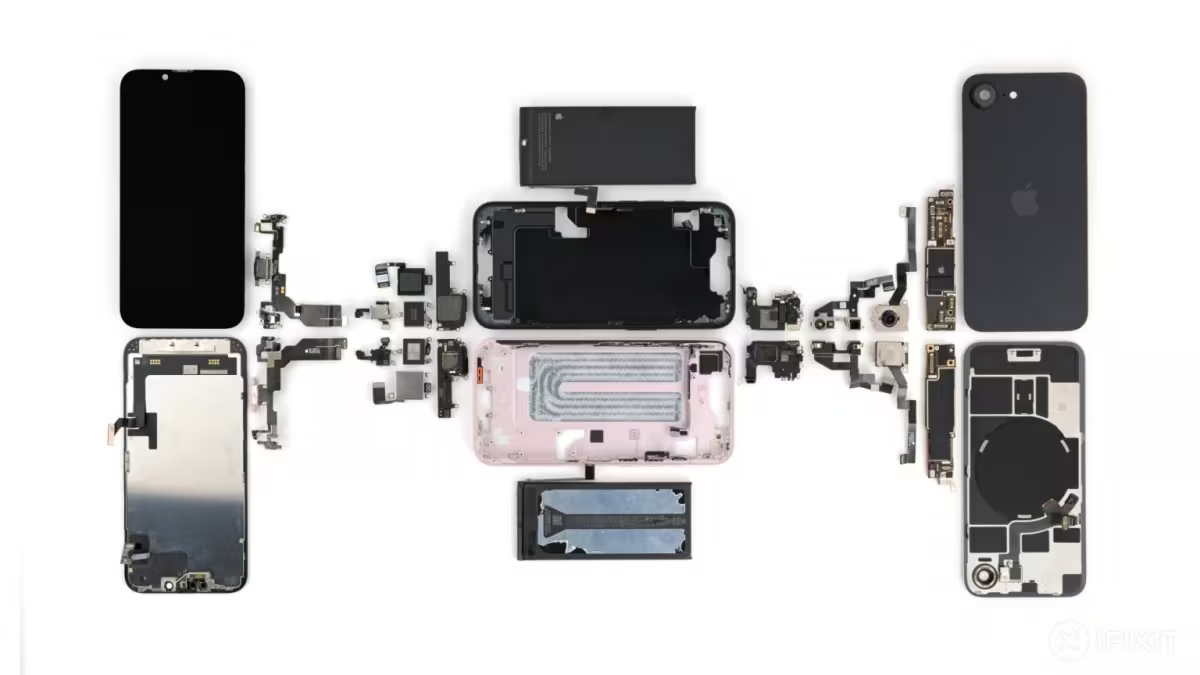
iFixit has given the iPhone 17e a preliminary repairability score of 7 out of 10, a rating that might change once Apple releases official details on parts availability and pricing.
For international readers, it is worth noting that while Apple’s MagSafe has become a standard feature on new iPhones, allowing magnetic wireless charging and accessory attachment, most users buy new models rather than modding older ones. This hardware compatibility between iPhone 16e and 17e is unusual, as Apple typically restricts such interchangeability. Still, the lack of full Qi2 support and disabled Face ID means this upgrade will not replace getting a newer device for a seamless MagSafe experience.
Apple faces increasing pressure to balance innovation with repairability as right-to-repair movements grow worldwide. In this case, enabling MagSafe on last year’s hardware suggests Apple might be standardizing more components internally, which could ease repairs and lower costs. Observers should watch if future iPhone models continue this trend or lock down compatibility further.