


The semiconductor landscape is shifting as Intel reveals it’s now considering offering its advanced 18-angstrom (18A) process node not just for internal use, but for external customers as well. Yet, Nvidia-one of the industry’s biggest players-remains notably absent from that list, at least for the time being. Intel CFO Dave Zinsner shared these details during a Morgan Stanley conference, confirming steady progress on 18A and growing interest from potential clients.
First introduced with the new Panther Lake mobile processors, 18A marks what many see as Intel’s return to competitiveness after a string of delays and technical setbacks in chip development. Initially, this cutting-edge node was intended solely for Intel’s internal portfolio, while the more mature 14A process was earmarked as the main vehicle for external foundry customers.
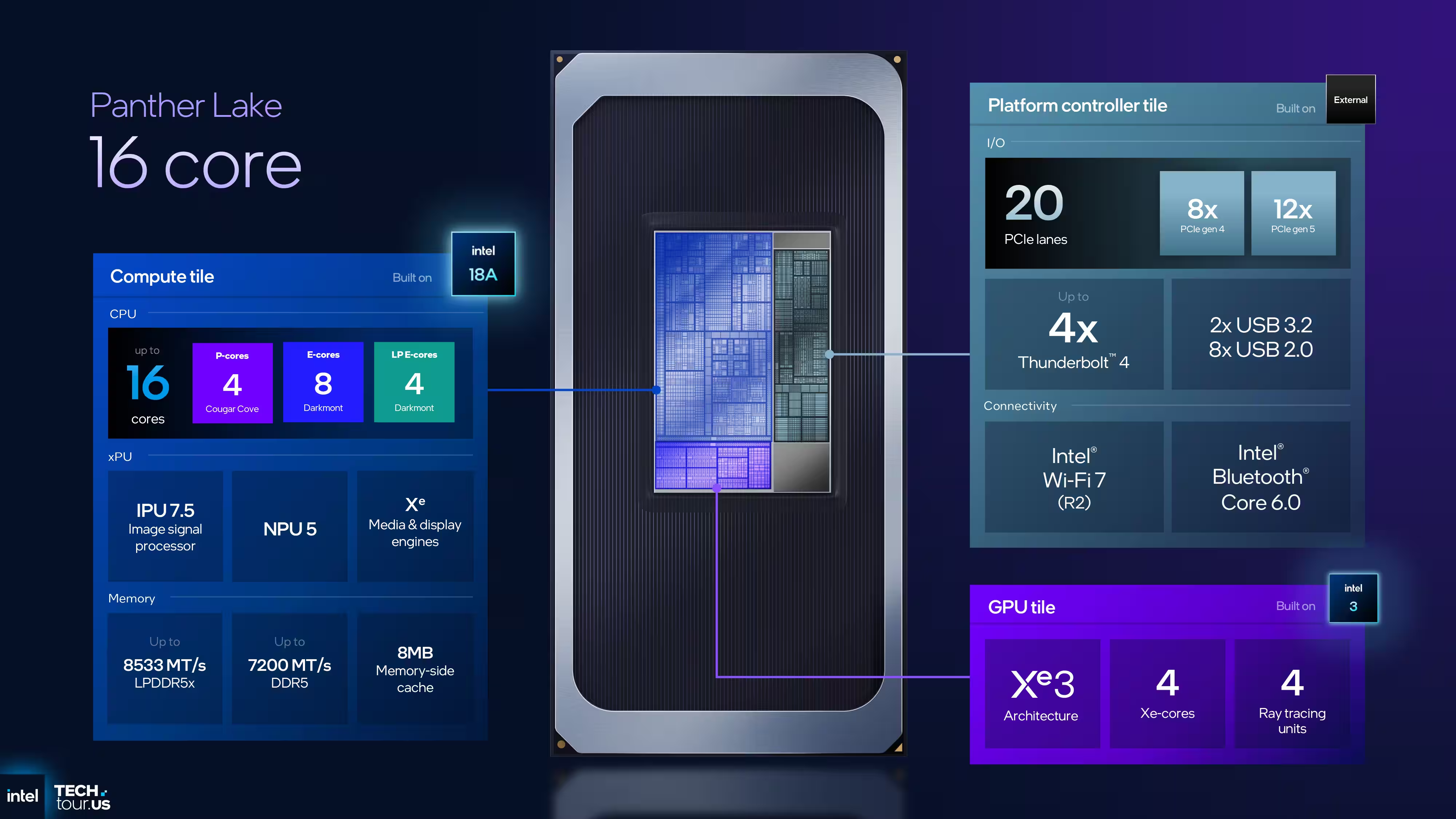
But according to Zinsner, Intel’s leadership has reframed its outlook at the intersection of ambition and reality: 18A isn’t just for internal use anymore-it’s ready to be offered to outside customers. While no specific names have been disclosed yet, this hints at forming foundry deals. Crucially, this doesn’t mean Intel will be manufacturing custom GPUs for Nvidia just yet; rather, it suggests supplying finished products and offering technological support to partners.
That said, a partnership with Nvidia isn’t off the table-it’s just currently limited to collaborations where Intel supplies CPUs and Nvidia provides GPUs, with no Intel foundry involvement in producing Nvidia’s 18A-based chips. Zinsner clarified this point, emphasizing that ”the deal was product-driven but not manufacturing-driven.”
Intel CEO Pat Gelsinger (known as Lip-Bu Tan in Russian media coverage) has acknowledged that the company keeps its foundry clients confidential. The clearest sign that new customers are onboard will be increased capital expenditure, particularly investments in equipment for handling ”glass substrates.” Rising CAPEX is a strong signal of Intel ramping up production capacity to meet external foundry demands.
As Intel shakes off its legacy of delays and quality woes, successes with Panther Lake and the 18A node could be key chapters in a larger turnaround. However, Intel’s relationship with Nvidia in the foundry space remains cautious. While the two giants benefit from product-level collaboration, the leap to manufacturing Nvidia GPUs on Intel’s 18A node remains a matter of timing and careful strategy.
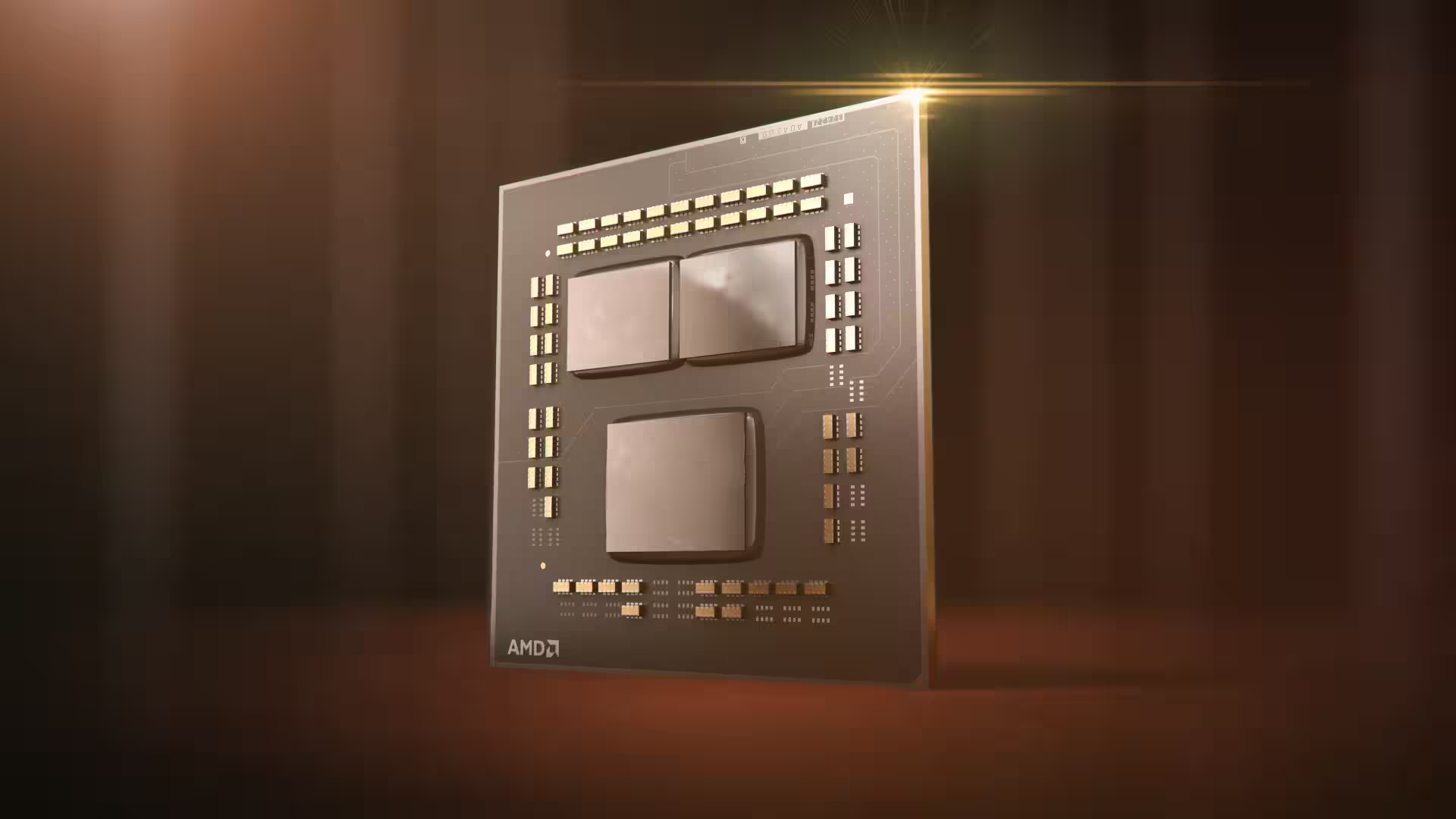
Meanwhile, AMD continues charting its own path with TSMC’s latest process nodes: server-focused Zen 6 chips are built on the cutting-edge N2 node, which surpasses TSMC’s 3-nanometer offerings aimed at consumer processors. For desktops and laptops, AMD relies on the 4-nanometer N4 node or upcoming N3 upgrades-smart moves that help it sidestep direct competition for TSMC’s scarce production capacity.
The rising demand for CPUs, fueled by the booming AI wave, is a welcome boost for chipmakers’ investment budgets-but it also intensifies shortages and drives up prices. The ongoing process node race between Intel, AMD, and Nvidia will have a direct impact on how soon-and at what cost-consumers get their hands on the next generation of chips.
For international audiences, understanding Intel’s strategic pivot matters because it signals a potential reshaping of the semiconductor foundry landscape, traditionally dominated by TSMC and Samsung. Intel aiming to offer 18A externally could challenge that status quo and diversify supply chains at a critical time, especially amid geopolitical tensions affecting chip availability worldwide. Meanwhile, Nvidia’s cautious stance reflects the complex balancing act between collaboration and competition in this fast-evolving ecosystem.