

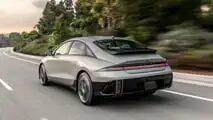
Hyundai is pulling the standard Ioniq 6 electric sedan from the US market after the 2025 model year, leaving only the high-performance Ioniq 6 N available in limited numbers. Despite the Ioniq 6’s strong specs and design appeal, poor sales figures and potentially costly import tariffs have pushed Hyundai to focus more on its crossover Ioniq 5 and other locally built EVs.
The Ioniq 6 arrived in the US as an impressive EV contender, boasting a sleek aerodynamic design, a robust EPA range of 342 miles, and rapid charging capabilities thanks to its 800-volt architecture allowing charging from 10 to 80% in about 18 minutes. These features positioned it well against rivals in a crowded EV market. Still, the sedan format struggled to attract American buyers who overwhelmingly prefer SUVs and crossovers.
Last year, Hyundai sold around 10,000 Ioniq 6 units, a figure that declined by 15% compared with the previous year. Early 2024 sales are even more dismal, with just over 570 units sold in the first two months. This downturn may be linked partly to the expiration of the $7,500 federal EV tax credit last September, which caused a dip in EV purchases nationwide, especially for imported vehicles without local assembly.
Hyundai’s export decisions also reflect the impact of tariffs on vehicles manufactured in South Korea, like the Ioniq 6. In contrast, the Ioniq 5 and the upcoming Ioniq 9 are built in the company’s US factory in Georgia, helping them avoid these costs and making them more competitively priced in the American market.

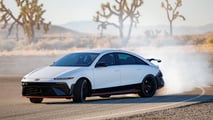
Hyundai’s commitment to keep the Ioniq 6 N-a sportier, pricier model costing close to $70,000-alive in limited numbers emphasizes that the sedan still has a niche audience. However, the decision to stop regular Ioniq 6 imports signals Hyundai’s shift away from sedans in a country where SUVs dominate, and price sensitivity is critical for electric vehicles.
The Ioniq 6’s fate is part of a broader trend affecting several EV models in the US that failed to win enough buyers, such as the Acura ZDX, Ford F-150 Lightning, Volkswagen ID.Buzz, and Mercedes EQS and EQE. Many of these vehicles remain available in Europe, highlighting how regional preferences and production logistics influence automakers’ lineup choices.
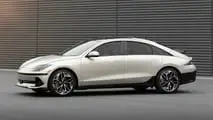
Hyundai’s move raises questions about how manufacturers will balance ambitious EV designs with market realities, especially in the US where buyers favor utility vehicles and cost competitiveness. Despite its advanced engineering and enthusiast appeal, the Ioniq 6 ultimately couldn’t overcome these obstacles in the American market, underscoring the challenges electric sedans face today.