

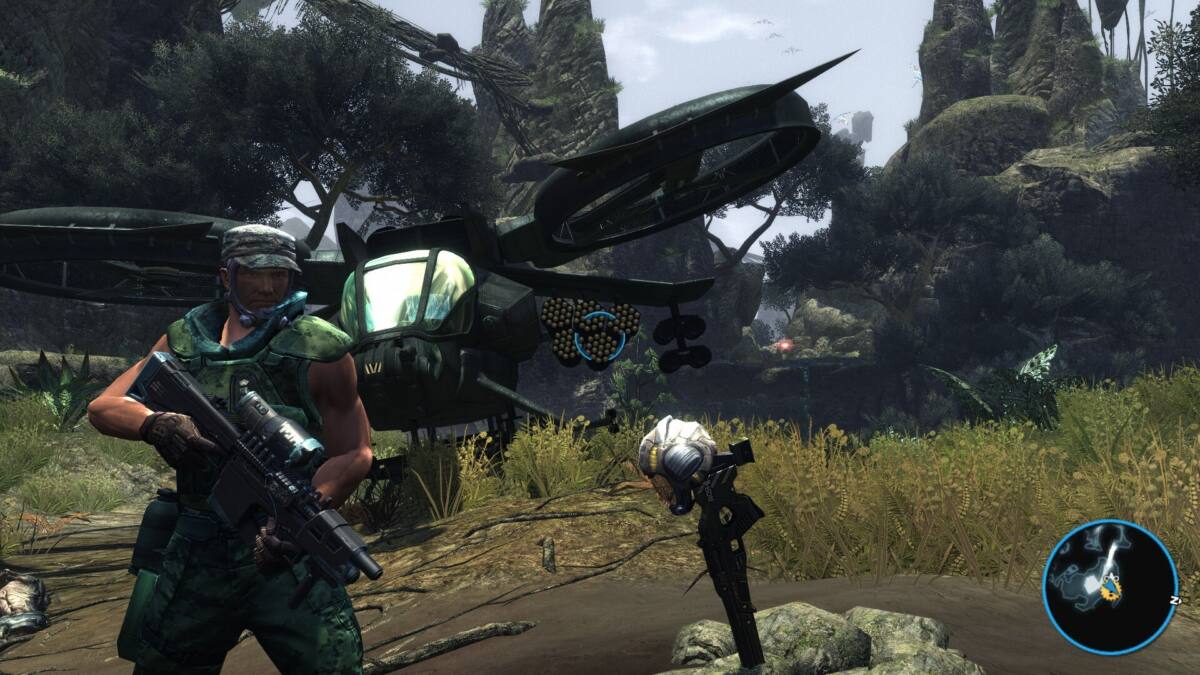
Movie tie-in games have a reputation for being rushed, forgettable cash-ins. But every so often those cramped, deadline-driven projects do something interesting: they force a studio to try a risky idea, port tech between teams, or discover a mechanic worth keeping. Ubisoft’s 2009 Avatar: The Game is exactly that kind of odd little experiment-awkward and unfinished in places, but full of directional clues about how the publisher would go on to rethink open worlds.
Released to coincide with James Cameron’s blockbuster, Avatar: The Game was produced on a tight schedule and constrained budget. That shows in the game’s rough animation and limited lighting compared with Ubisoft’s more polished contemporaries. Yet the team didn’t simply slap a movie skin on a shooter; they folded in a choice-driven campaign (play as an RDA human or as a na’vi), a junction of scripted levels and semi-open arenas, and a messy but enjoyable vehicle-swapping system.
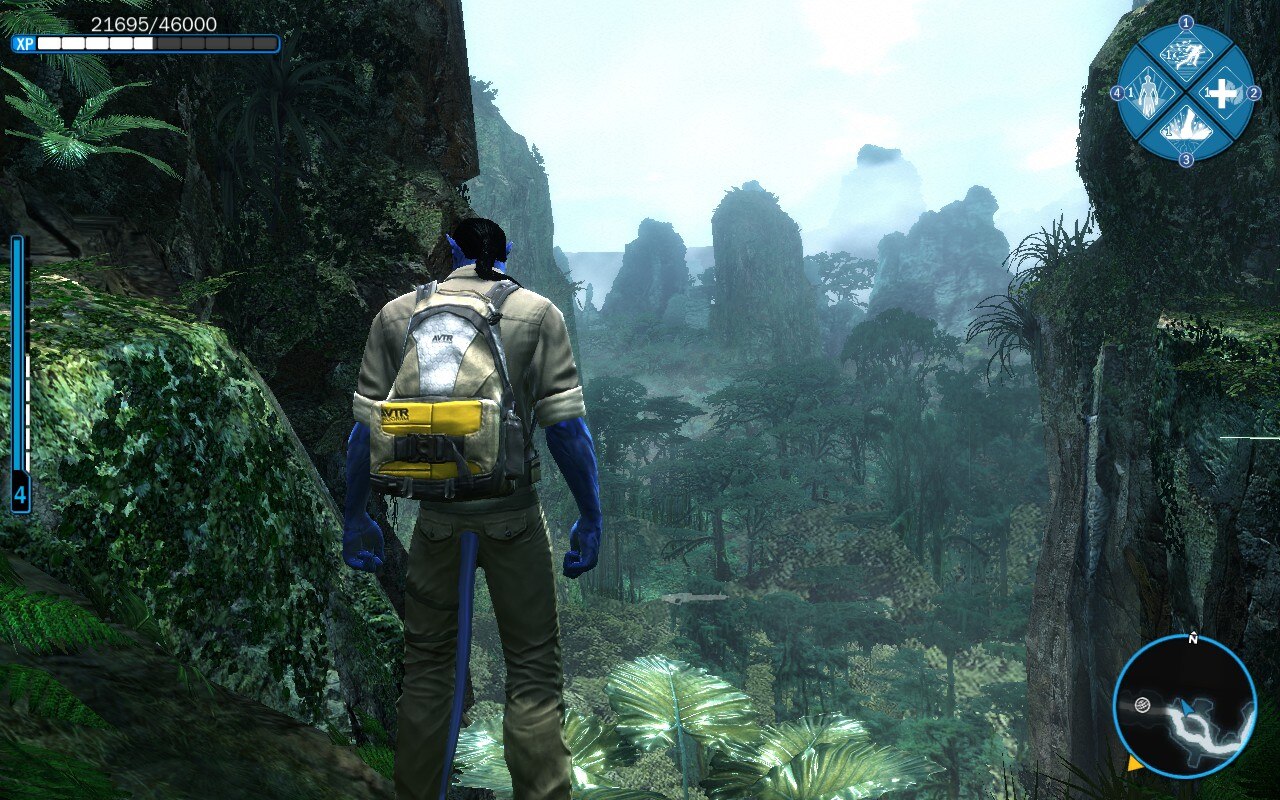
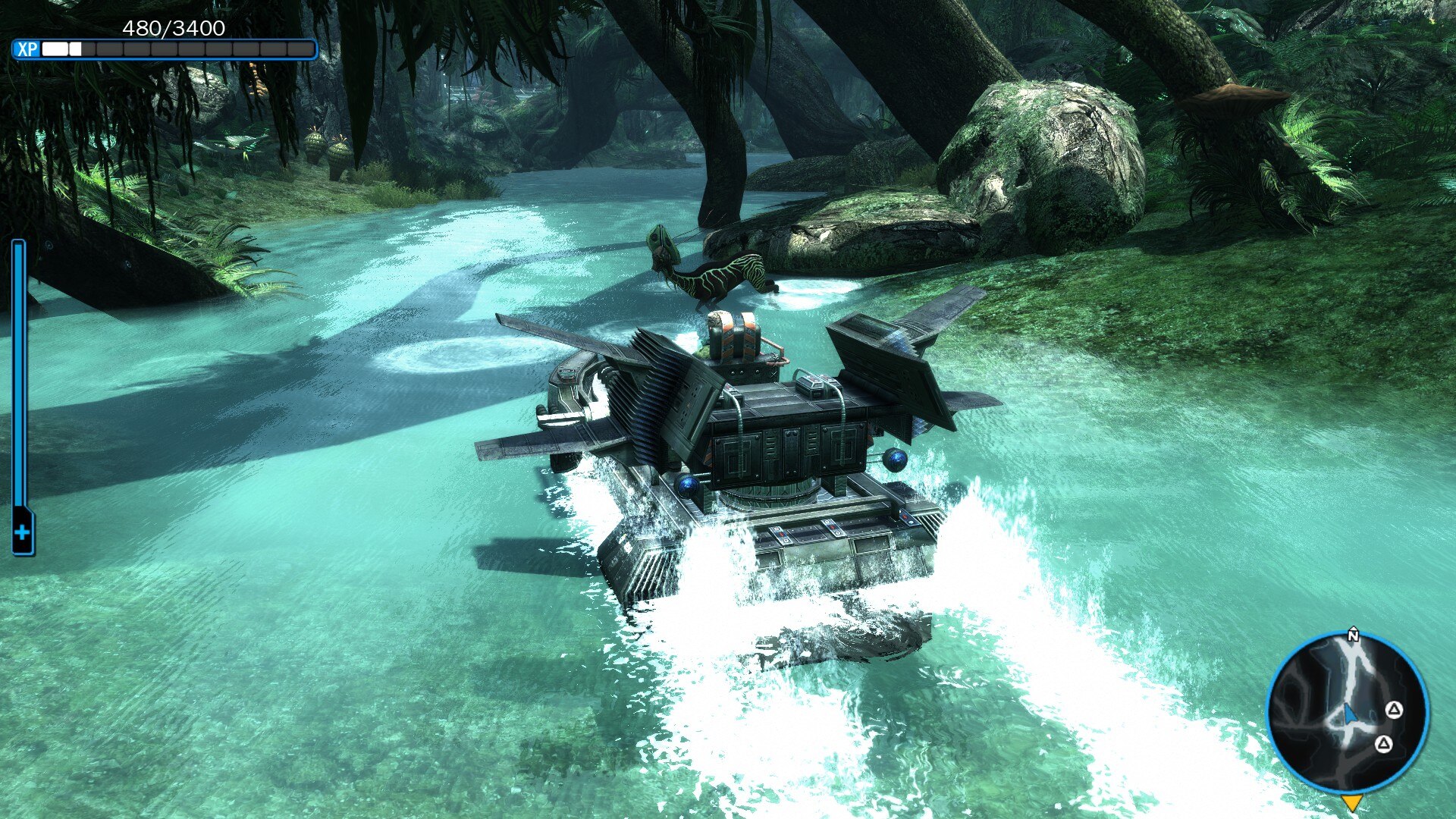
Technically, the game leaned on tech related to Far Cry’s toolset-the same design DNA Ubisoft was already refining around Far Cry 2 and Assassin’s Creed II. Those earlier projects taught Ubisoft how to populate large spaces with emergent encounters and looping mission flows; Avatar: The Game applied a leaner version of that thinking to a licensed setting. Instead of a single sprawling sandbox, Pandora’s jungle felt like a series of meandering, interlinked corridors-levels built to funnel players toward objectives but still studded with optional encounters and vehicles you could hop between without loading screens.
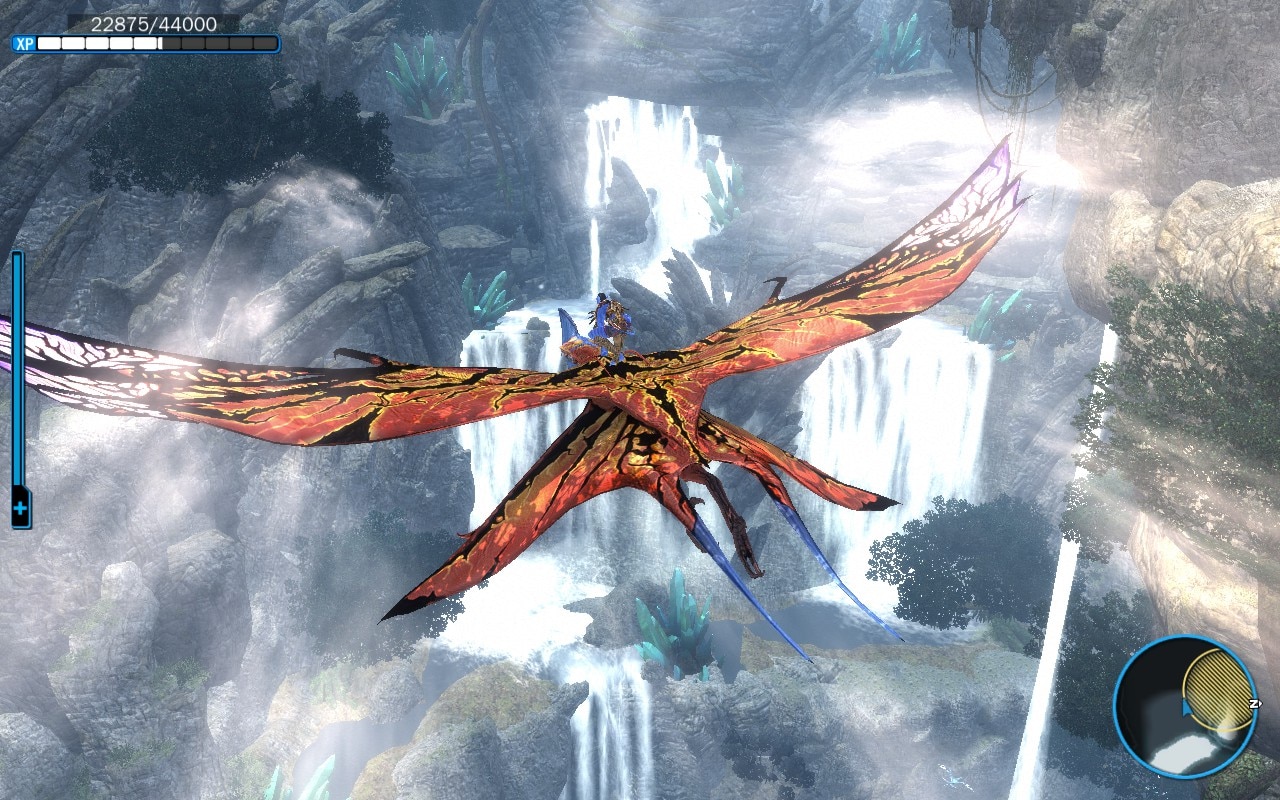
That hybrid approach-not quite linear, not quite open-was clumsy here: vehicle physics were limited, combat repeated objectives, and the game’s human-side missions often felt like technicolour patrols rather than stories you owned. But the core idea mattered. Allowing players to choose a side mid-campaign, giving them freedom to swap between vehicles and on-foot play, and staging emergent threats inside designed corridors are all patterns Ubisoft would later refine into the large, systemic open worlds the company is known for.
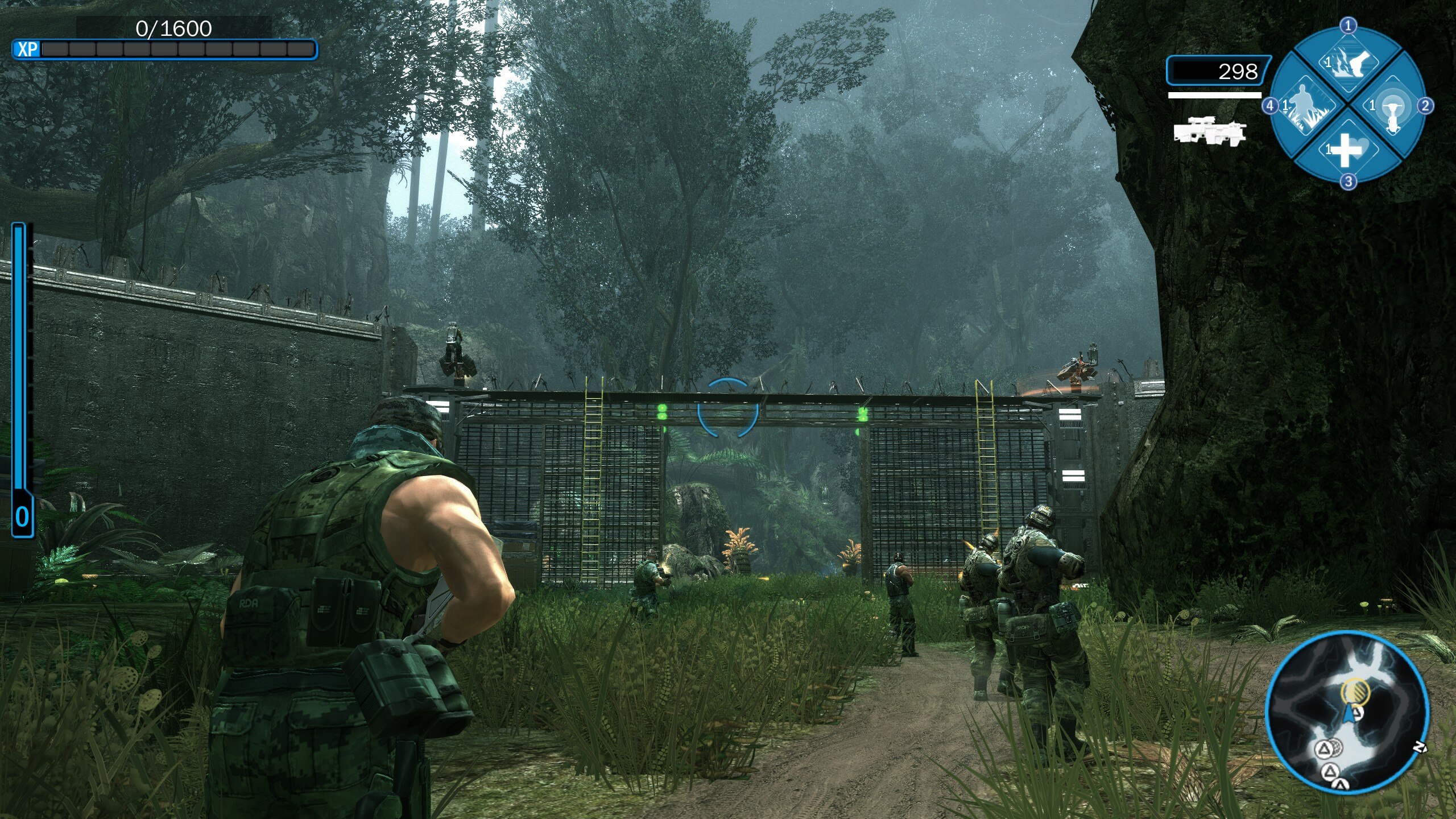
Licensed games often get written off, but some have a surprisingly useful afterlife. Rare’s GoldenEye 007 and Starbreeze’s The Chronicles of Riddick: Escape from Butcher Bay are the obvious counterexamples-tie-ins that became classics-but there are also countless middling projects that nonetheless passed tech, pipeline tricks, or level design lessons forward. For Ubisoft, a modest Avatar title helped the company learn how to stitch combat encounters into exotic biomes, how to reuse tools across teams, and how to make vehicle encounters feel like part of a larger ecosystem rather than isolated set pieces.
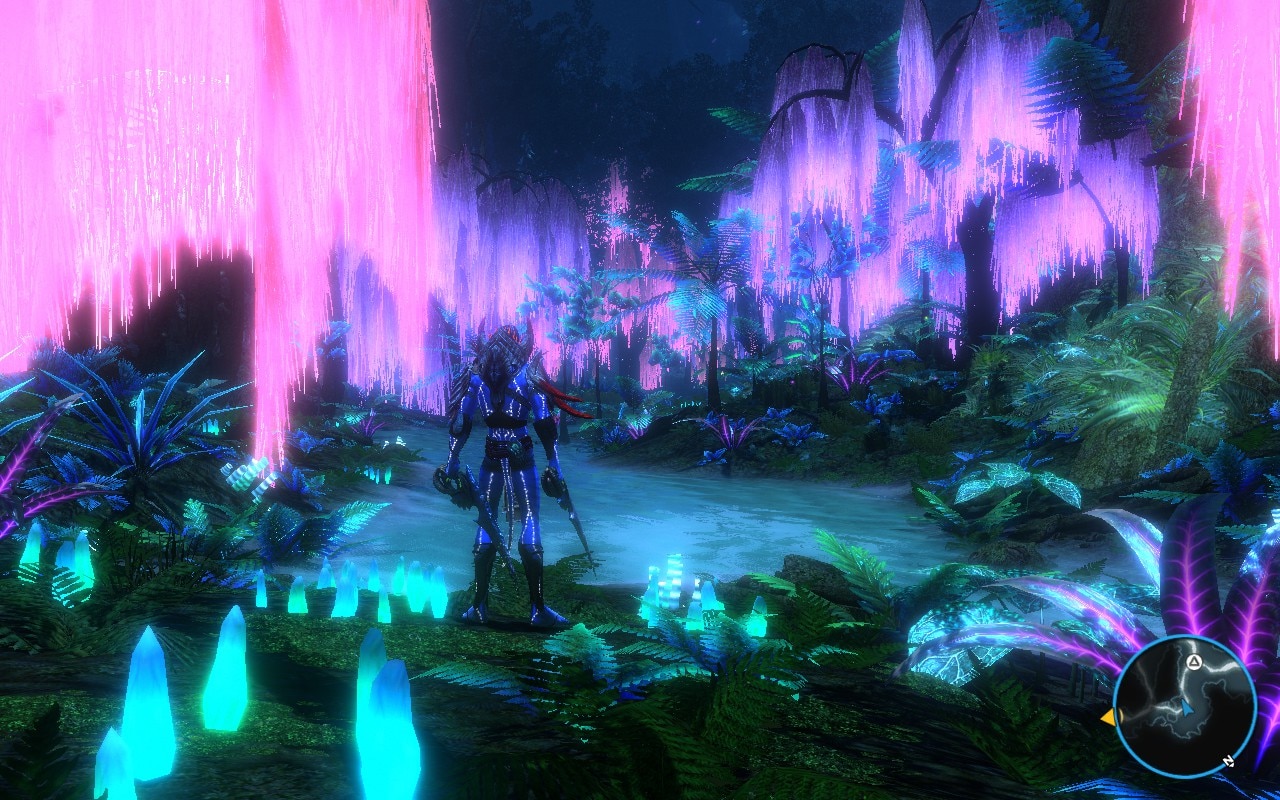
Fast-forward: Ubisoft returned to the Avatar IP years later with a much larger effort. That later game embraced a true open-world structure and has since received updates that change how players experience its systems. The arc from tie-in to full-scale entry shows two things: constraints can accelerate experimentation, and lessons from small projects often migrate into the big ones.
What the industry should learn
Big publishers still treat licensed releases as deadlines to meet rather than creative opportunities. That’s a shame: with a little more time and a willingness to accept prototype-y outcomes, those projects can become cheap live sandboxes for new ideas. Ubisoft’s forgotten Avatar game wasn’t a triumph, but it helped incubate design instincts-about mission structure, vehicle integration, and tooling reuse-that paid off when the studio tackled larger open-world ambitions.
So the next time you stumble across a mediocre movie tie-in on a cheap digital storefront, don’t be too quick to dismiss it. Some of those scrappy projects carry the DNA of future hits. They’re not polished legends, but they’re the practice sessions where studios learn how to make the big plays.
And as for Able Ryder: probably not a hero in any sequel, but the game’s rough edges helped teach a few lessons-exactly the sort of thing a studio needs when it’s gearing up to dominate a genre.