

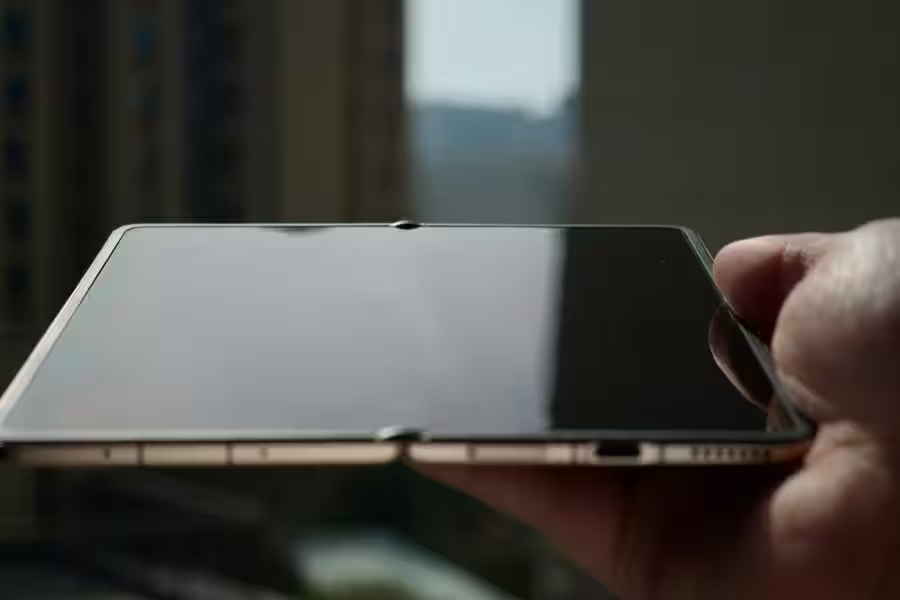
Most people can forgive a slightly awkward camera bump. They rarely forgive a visible crease slicing down the middle of a phone’s main screen. That mark has become the single most obvious sign that a device is still a niche product, and manufacturers have spent years chasing a fix.
This week Honor offered another look at that effort. An executive posted images of the upcoming Magic V6 on Weibo showing an inner display with no obvious ridge where the fold should be. If those shots reflect the real device, the Magic V6 would join a short but growing list of foldables that promise a near-invisible crease.
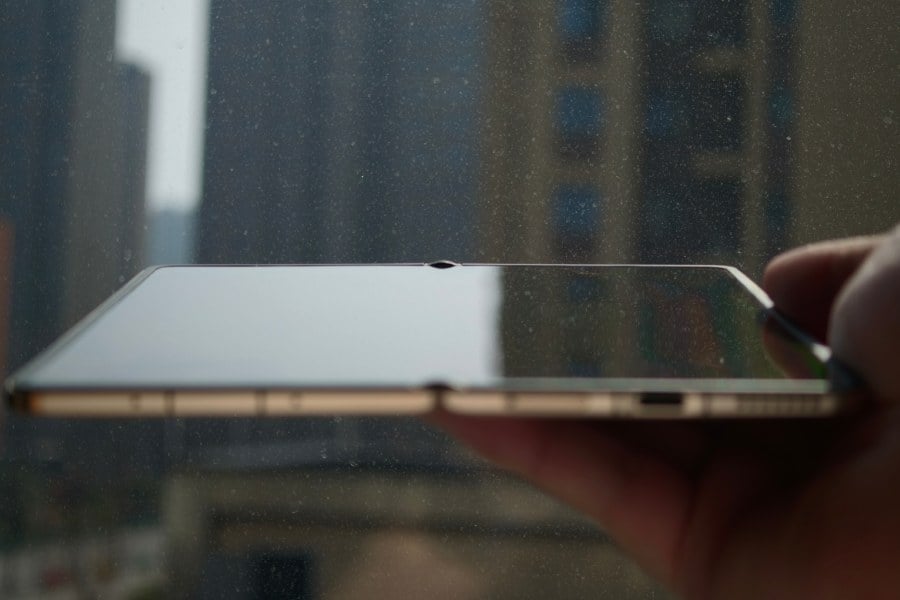
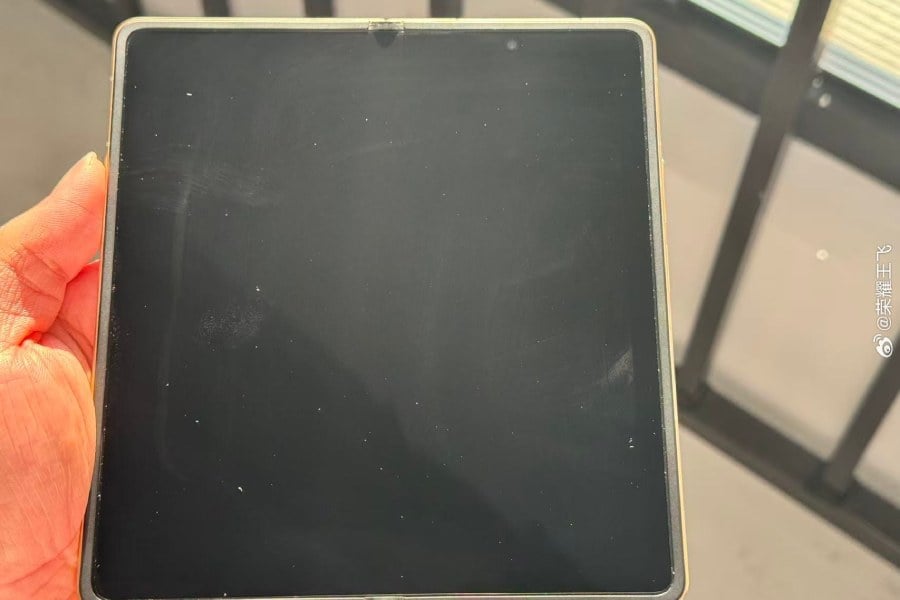
That post didn’t just show photos. The executive emphasized that hiding the crease helps convince first-time buyers, but insisted thinness and lightness remain the ”core technologies” for foldables – a reminder that display improvements are only one part of a much larger engineering puzzle.
Why a vanished crease matters – and why photos mislead
The crease is as much a psychological as a technical problem. It telegraphs fragility, invites skepticism about long-term durability, and makes expensive hardware look provisional. So companies use glossy marketing shots to show it off when they can eliminate or greatly reduce that line.
Photos are an especially blunt tool here. Controlled lighting, the angle of the camera, and the screen content can all hide a crease that’s perfectly visible in everyday use. That’s why hands-on reviews and endurance testing – folding tens of thousands of times, exposing the hinge to dust, and living with display reflections under different lights – are the only real proof.
This is an industry sprint, not an isolated trick
Honor is not alone. Samsung has been demonstrating creaseless designs and the industry press says Apple’s iPhone Fold prototypes have a sub-0.15mm crease. Oppo recently teased a Find N6 inner screen with a similarly faint seam. What we’re seeing is multiple players converging on the same visual result via different engineering routes.
The technical paths vary: some companies rework the hinge to spread stress more evenly, others add new display layers or substitute glass with advanced polymers, and a few use micro-structured supports at the fold to prevent light from catching the seam. Each approach affects internal space, and that’s where the trade-offs appear.
Thinner displays or extra hinge complexity can eat into the room for batteries, cooling, and structural reinforcement. That’s the tension the Honor executive highlighted: you can reduce a crease, but not if it makes the phone bulkier, shorter on battery life, or less reliable across thousands of open/close cycles.

There is also a supply-side factor. Companies that control the display fabs and hinge production chains have an easier time iterating quickly; firms that must source specialty layered displays from third parties are at the mercy of yield curves and component lead times. That will shape which brands can bring genuinely crease-free foldables to broad markets sooner.
What to watch next
Take the Magic V6 images as a progress report, not a final verdict. If Honor manages a near-invisible crease while keeping the phone thin, light, and long-lived, that’s an impressive engineering win that will push prices and expectations down the right way. If the creaseless look depends on a thicker chassis or a smaller battery, buyers may see it as a cosmetic upgrade with real compromises behind it.
Either outcome accelerates the market. Manufacturers that can solve both the visual and practical problems win mainstream adoption. Those that treat the crease as a marketing checkbox risk producing expensive, underwhelming devices. The only reliable cure is independent hands-on testing and time – not a single Weibo post.
Expect more demos in public hands, teardown reports, and endurance scores in the months ahead. Until then, consider these photos promising, not definitive.