

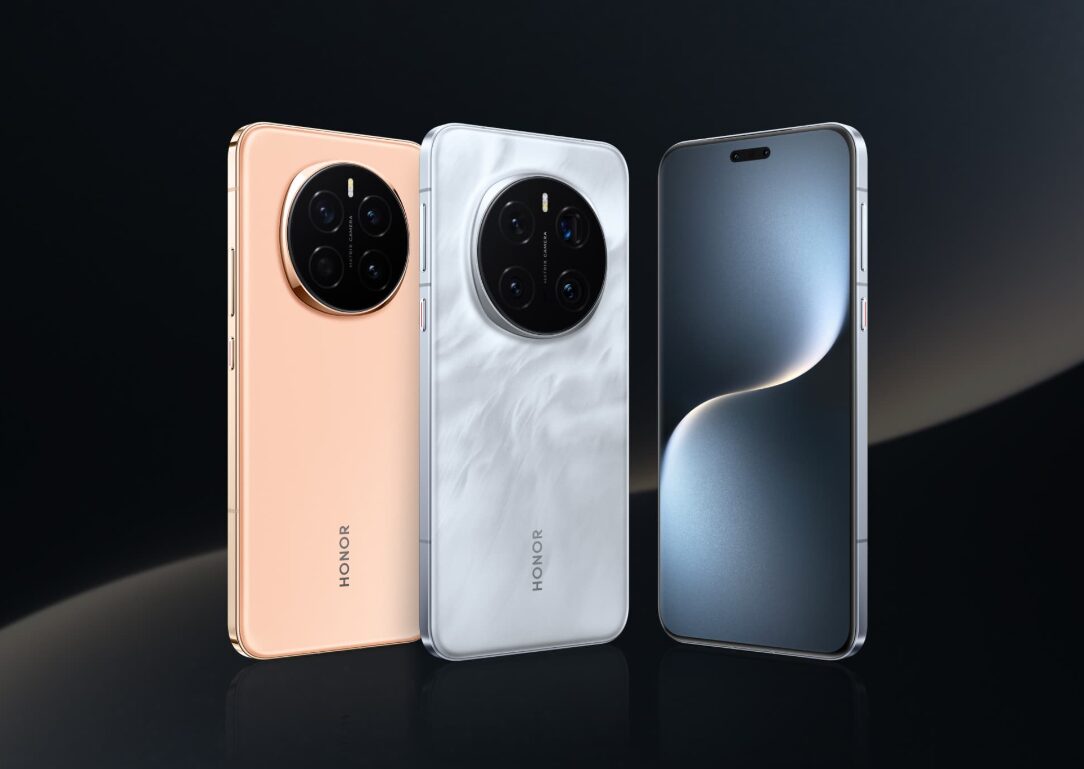
Why this update matters more than another Android refresh
Phone makers push Android versions as headline news, but the MagicOS 10 rollout to the Honor Magic 7 Pro is worth a closer look because it’s less about vanilla Android 16 and more about stitching Honor devices – and non‑Honor devices – into a smoother ecosystem. The 3.27GB package (version 10.0.0.121) arrives eight months after Google’s Android 16 release and needs roughly 4-5GB of free storage to install. That’s the headline; the subtext is what Honor is actually betting on.
What’s new – beyond plain Android 16
Honor bundles a long feature list into MagicOS 10. Highlights include a Turbo X performance engine with visible optimization indicators, smoother home‑screen navigation via parallel operations, quicker app launches, refinements to camera responsiveness, and snappier keyboard input. The Control Center gets a darker background, colorful icons and layout customisation; lock screen styles expand and can be accessed with a two‑finger pinch.
Honor is explicitly leaning into AI and cross‑device flows. New call translation lives in Honor AI settings, an AI screenshot assistant suggests services based on behavior, and Magic Capsule now surfaces charging status and screen recording for quick access. There’s also direct file sharing with iPhones via a device‑to‑device contact flow that requires the Honor Connect app v1.1.18111 or later on iOS, plus Honor WorkStation for transfers with Mac and Windows machines.
On the media side, Bluetooth LHDC 5.0 high‑definition audio codec support arrives alongside Android’s native extra dim accessibility feature. Other tweaks include Motion Sickness Relief (automatic during driving), a refreshed camera UI with two‑row menus, improved Gallery video browsing, and smarter screenshot tools that can replace originals with edited captures.
How this fits into the bigger update playbook
OEMs have long used Android version bumps as cover to ship their own user‑experience priorities. Honor’s timing – rolling MagicOS 10 to the Magic 7 Pro months after Google’s base release – is typical for companies that layer significant UI and service changes on top of AOSP. The real differentiators here are audio codec support and the cross‑platform file tools: small technical choices that shape day‑to‑day usability.
LHDC is a niche most mainstream users haven’t heard of, but among audiophiles it matters. It competes with Sony’s LDAC and Qualcomm’s aptX family; adding LHDC 5.0 signals Honor wants better‑than‑SBC wireless sound on phones that pair with higher‑end headphones. Likewise, offering a route to transfer files to iPhones and desktops is Honor accepting reality – people don’t live in single‑vendor bubbles anymore. But tying the flow to an iOS app is a compromise: it’s a cross‑platform bridge, not a native fix for Apple’s AirDrop silo.
Who gains and who loses
Owners of the Magic 7 Pro win. They get performance tweaks, nicer UI choices, audio improvements and a set of convenience features that make the phone feel more like the centre of a personal device network. Audiophiles benefit from LHDC 5.0 support. Users who rely on accessibility features get Android’s extra dim and some motion‑sickness mitigations.
On the losing side are the users of older Honor models who may not see these features quickly – OEM rollouts often favour recent flagships. And users expecting a seamless, native transfer experience with iPhones will find the need to install Honor Connect on iOS to be an awkward extra step. Finally, features that sound AI‑powered should prompt skepticism: ”assistant suggests” is useful when accurate, annoying when noisy.
What Honor still needs to prove
Delivering features is one thing; keeping them updated and consistent is another. Honor can add LHDC and cross‑device sharing today, but long‑term value depends on maintenance, firmware updates for bugs and timely security patches. If these are treated as one‑off headline features rather than platform commitments, users will notice.
There’s also a product design question: how invasive are the AI suggestions and Magic Capsule integrations? Smart features that demand network access or surface promotional content tend to annoy users if they can’t be tuned off easily. Honor will need sensible defaults and clear privacy controls to avoid that friction.
What to expect next
Expect Honor to roll MagicOS 10 out to other recent models over the next months, and to highlight cross‑device conveniences in marketing. If those features prove stable and useful, they become selling points for buyers who own multiple device brands. If they’re glitchy or opaque, they’ll disappear into the long list of OEM UI gimmicks.
If you own a Magic 7 Pro and want the update now, check Settings > System & updates > Software update to look for version 10.0.0.121.
Honor’s MagicOS 10 isn’t just Android 16 with paint; it’s a reminder that the current era of phone competition is about ecosystems and quality‑of‑life features. Whether those features matter depends on how many of them survive the next six months of bug fixes and user feedback.