

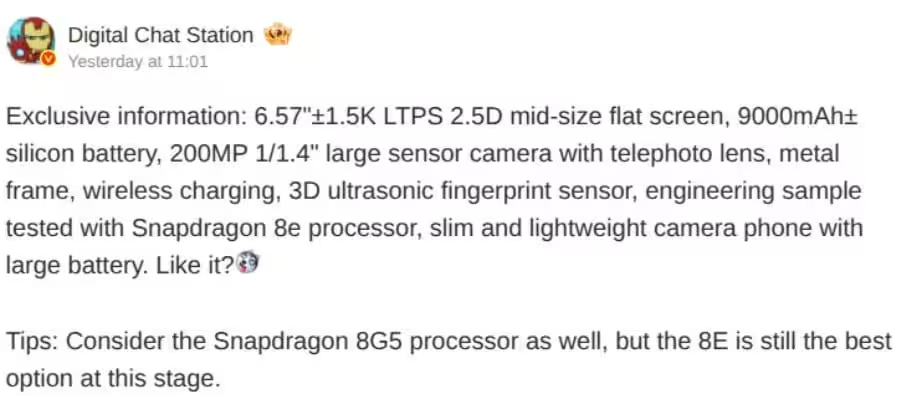
Battery anxiety is back as a selling point. Instead of chasing ever-thinner bezels or 1x more megapixels, Honor appears to be leaning into one plain demand: phones that last. Leaks point to a rumored Honor 600 with a massive 9,000mAh silicon battery – a move that changes where the company is placing its bets.
What the leaks say
According to recent leaks, the Honor 600 will pack a 6.57-inch LPTS screen at 1.5K resolution with 2.5D curved glass and, most notably, a 9,000mAh silicon battery. The phone is said to use a 200MP main camera with a 1/1.4-inch sensor alongside a telephoto lens, and an engineering sample has reportedly been tested with Qualcomm’s Snapdragon 8 Elite processor.
Other pieces in the leaked spec list include a metal frame, wireless charging support, and a 3D ultrasonic in-display fingerprint sensor – a step up from the optical scanner used in the Honor 500, which shipped with a Snapdragon 8s Gen 4 chip.
Why a 9,000mAh battery matters (and what it won’t solve)
In theory, silicon-dominant anodes let vendors increase energy density without dramatically thickening devices. That’s the promise here: deliver multi-day endurance while keeping a relatively mainstream chassis. For users who prioritize longevity over designer thinness or the fastest charging curve, that promise is compelling.
In practice, however, capacity alone is only part of the story. Charging speed, sustained thermal performance, real-world battery life under heavy use (games, cameras, 5G), and software power management matter just as much. The leaks mention wireless charging but say nothing about wired charging wattage, charge cycles, or expected weight and thickness – all the trade-offs that determine whether a 9,000mAh battery is a practical win or just marketing.
Where this sits in the market
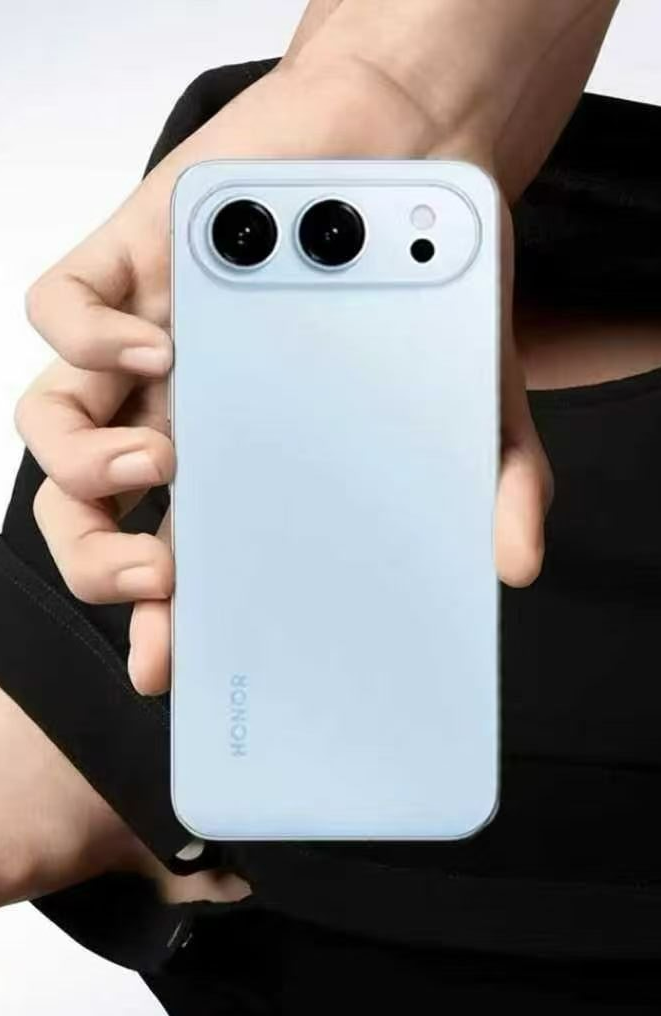
Large-capacity batteries have long been the domain of rugged and value-focused brands that trade slenderness for longevity; mainstream vendors instead tend to prioritize fast charging (and, lately, silicon anode research) to reassure users. If Honor really lands a mainstream-looking handset with 9,000mAh and wireless charging, it could blur that distinction and pressure competitors to respond – either by adding capacity or by proving their fast-charge and power-management chops.
The camera choice – a 200MP 1/1.4-inch sensor plus telephoto – signals another priority: versatility. That combination aims to sell the device as both an endurance phone and a capable shooter, rather than a single-purpose battery brick. The Snapdragon 8 Elite mention, if confirmed in production units, would also move Honor closer to true flagship performance rather than mid-range compromises.
What’s missing and what to watch
The leaks leave several critical questions open: how fast will the phone charge over cable, what will the real-world endurance numbers look like, how heavy and thick will the handset be, what will the price be, and when will Honor actually launch it? An engineering sample with a Snapdragon 8 Elite suggests development is underway, but leaks and prototypes often change before final production.
If Honor is serious, the details matter more than the headline capacity. A 9,000mAh cell without competitive charging speeds or sensible weight would appeal to a niche. A well-balanced device that combines exceptional endurance, decent charging, and flagship-class performance would be an aggressive – and potentially smart – market move.
Verdict
Honor’s rumored play is straightforward: trade some of the cosmetics that tech reviewers fetishize for true day-to-day usefulness. That’s a risky but sensible bet. The phone could win over travelers, outdoor users, and anyone done with daily topping up. Whether it becomes a category-defining mainstream choice or an interesting niche product will depend on the final specs – chiefly charging speed, weight, and price – that Honor hasn’t confirmed yet.