

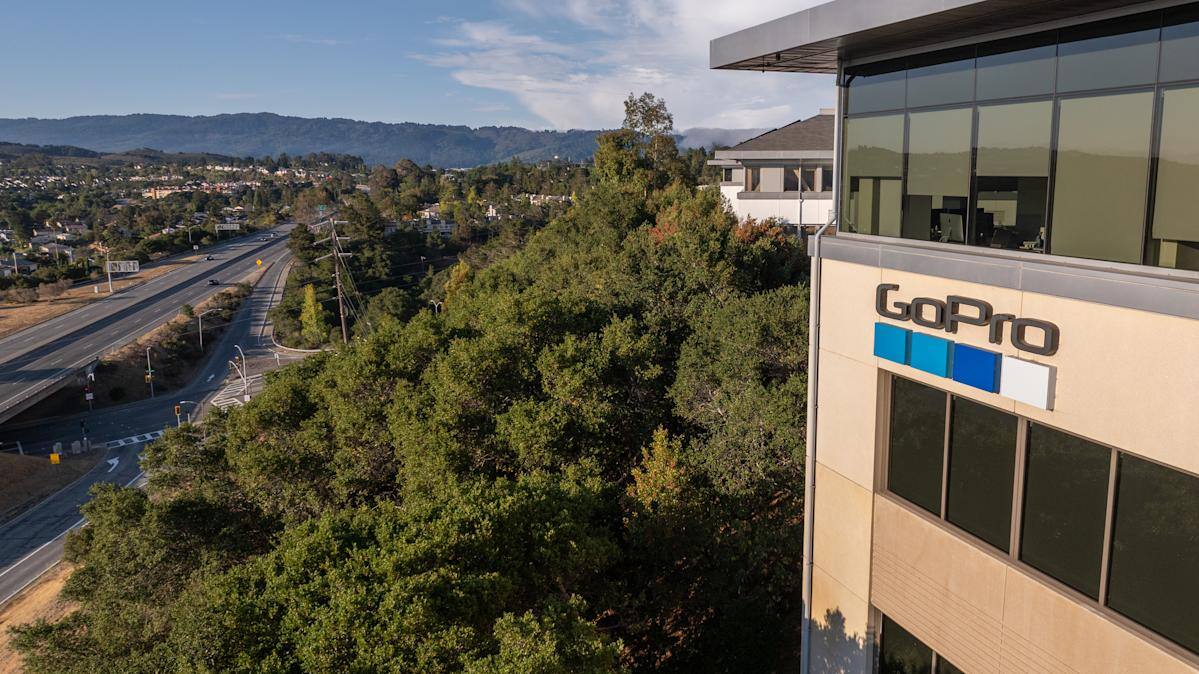
GoPro is trimming 23 percent of its global workforce by the end of this year, a move that underlines how hard it has become to sell standalone action cameras in a market now crowded with DJI, Insta360, and, more awkwardly, smartphones. The company said 145 employees will be laid off as it tries to reset its business around a new AI-focused processor and a slimmer cost base.
The layoffs will begin in the second quarter of 2026, according to a Form 8-K filing. At the end of the first quarter, GoPro had 631 employees, and it expects the restructuring to cost between $11.5 million and $15 million, including severance and healthcare benefits. That is not a subtle clean-up job; it is the kind of expense companies take on when they think the old model is done.
What GoPro is cutting
- 145 employees will be laid off
- The cuts equal 23 percent of the global workforce
- Restructuring starts in the second quarter of 2026
- Expected cost: between $11.5 million and $15 million
This is GoPro’s latest attempt to stop a long slide. The company already announced layoffs in the second half of 2024, and its 2025 results showed a year-end revenue decline plus a $9 million loss in the fourth quarter. For a brand that once owned the action-cam category, the problem is painfully familiar: great product recognition, less and less room to grow.
GP3 is the bet
GoPro is still pitching optimism, this time around its GP3 processor, which it says will usher in a ”new era of performance and innovation.” The first GP3-powered cameras are due in the coming months, and the company is clearly hoping new hardware can do what old brand power no longer can: make buyers care enough to upgrade.
The timing is revealing. Action cameras used to be a category with a moat; now they compete not just against rivals with better specs and broader ecosystems, but against the device everyone already carries. If GoPro wants GP3 to matter, it will need more than a faster chip and a few marketing slogans.
GoPro faces DJI, Insta360, and smartphones
GoPro launched its first action camera in the early 2000s and built its name with extreme sports fans, but the company now has a much tougher job. DJI and Insta360 have become serious challengers, while smartphones keep eating away at the casual use cases that once made a GoPro an easy recommendation. The hard part is no longer inventing the category; it is defending a reason for the category to exist.
What happens next depends on whether GP3 can bring enough camera improvements to justify the reset. If it cannot, GoPro may end up proving a grim tech-industry rule: nostalgia is not a business strategy, even when the helmet-mounted footage still looks great.