

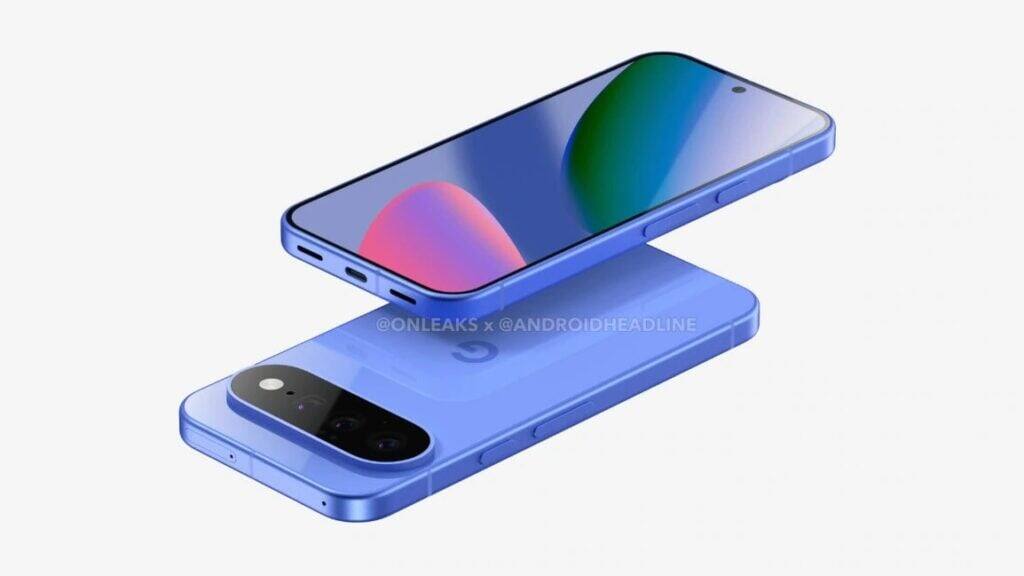
Leaked renders of the Google Pixel 11 have revealed a phone that doesn’t stray far from the Pixel 10’s design but introduces some notable hardware changes. Set for an August launch, this flagship keeps the familiar flat edges and a slightly larger yet slimmer rear camera bar with a triple-camera arrangement. Measuring 152.8 x 72 x 8.5 mm and sporting a 6.3-inch LTPO AMOLED display, the Pixel 11 maintains a compact footprint that will please fans of manageable phones.
Underneath the hood, the Pixel 11 steps up with Google’s Tensor G6 processor, reportedly built on TSMC’s advanced 2 nm process and featuring a 7-core CPU setup. This marks a continuation of Google’s move toward in-house chip development, aiming to improve efficiency and AI capabilities. Interestingly, Google may switch its modem supplier from Samsung to MediaTek’s M90, signaling a shift in its connectivity strategy that could impact 5G performance and power consumption.
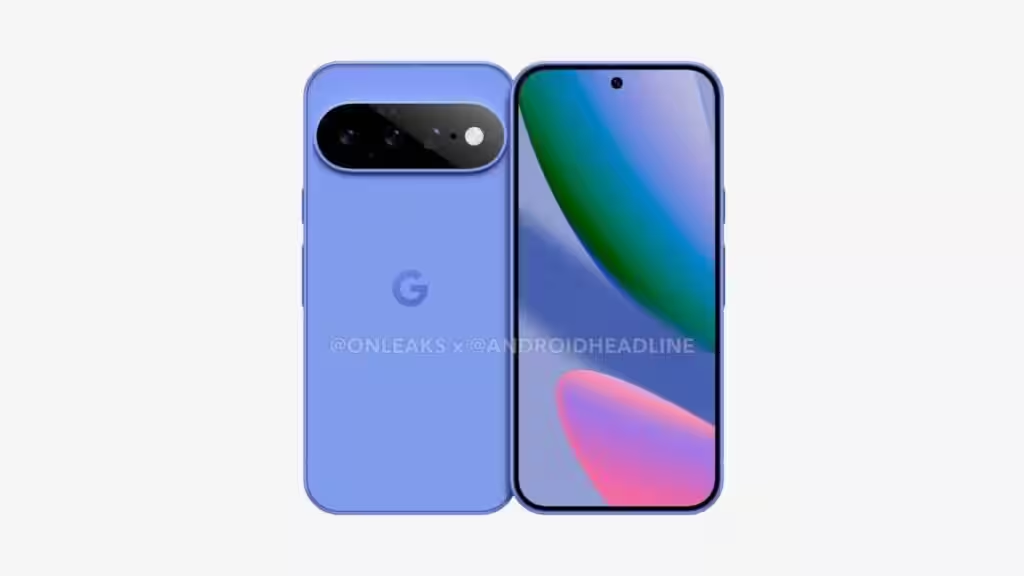
Security is also getting an upgrade with the new Titan M3 chip, internally dubbed ”Google Epic,” replacing the Titan M2 used in earlier Pixels. This is expected to enhance security features for users, especially for sensitive data protection. The Pixel 11 will likely come with 12 GB of RAM and offer storage options starting at 256 GB, with the higher base storage reflecting current flagship smartphone trends.
On the software and camera front, the Pixel 11 is expected to debut with Android 17 and innovate with video features optimized for low-light conditions. An ultra-low-light video mode, relying on on-device processing rather than cloud services, could allow for clearer footage in the dark. Additionally, video enhancements like Cinematic Blur at 4K 30 fps and a relight tool for adjusting lighting post-capture may appeal to content creators aiming for more polished videos straight from their phones. The device will pack a 5,000 mAh battery, promising solid endurance for daily use.
Pricing is rumored to start at around $799, positioning the Pixel 11 competitively against rivals like Samsung’s Galaxy S24 series and the Apple iPhone 15. Google’s subtle approach to updating the Pixel’s design while focusing on core hardware and software improvements suggests it’s aiming for refinement over reinvention in this generation.