

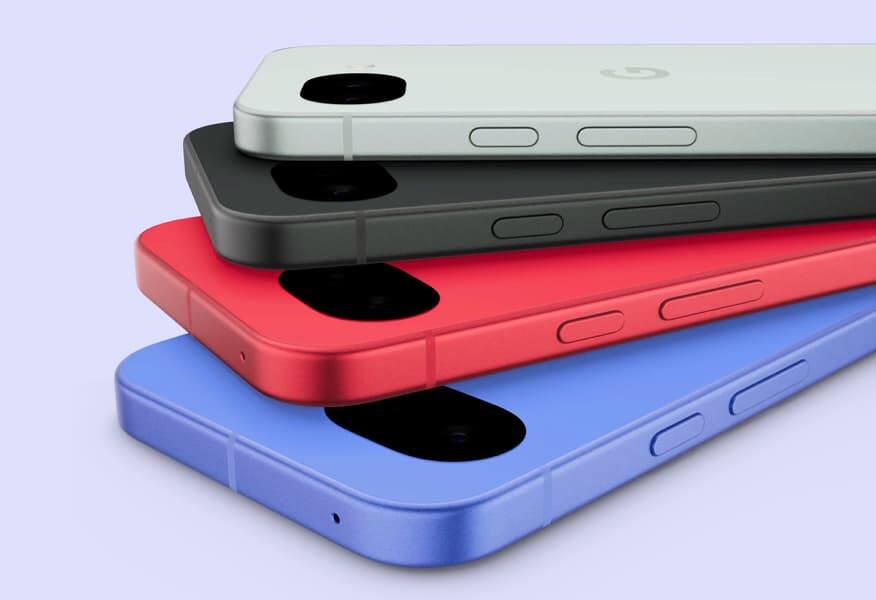
Google’s latest budget smartphone, the Pixel 10a, surprisingly falls short in camera performance compared to its predecessor, the Pixel 8a from two years ago, according to DxOMark’s recent tests. The Pixel 10a’s main camera scored 134 points, placing it 75th globally and just behind the Pixel 8a’s 136 points. Even Apple’s base-level iPhone 15, with a score of 145, outperforms the Pixel 10a by a significant margin.
This outcome is especially striking since the Pixel 8a, released in 2024, was equipped with a larger 64-megapixel sensor, whereas the Pixel 10a retains a camera setup almost indistinguishable from the Pixel 9a. The 10a’s modest 6-point improvement over the 9a comes primarily from software enhancements rather than any hardware upgrade.
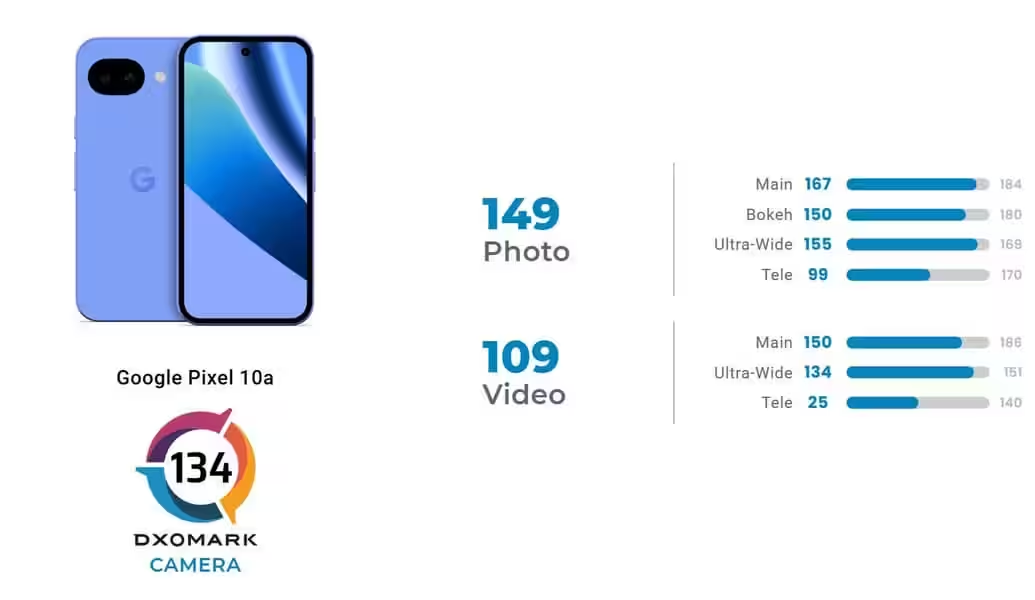
DxOMark’s detailed notes highlight issues like significant noise in low-light conditions, autofocus glitches during video capture, and underwhelming detail retention. On the positive side, the Pixel 10a delivers solid portrait mode shots and a wide dynamic range. Still, the overall impression is that the Pixel 10a’s camera system isn’t keeping pace with what users might expect from a device announced in 2026.
Interestingly, the Pixel 10a’s score is better than some older flagship phones, including the iPhone 14, Pixel 6, and Galaxy S23, suggesting Google is maintaining a baseline performance level. Yet the drop behind competitors like the iPhone 15 hints at growing challenges for budget Android phones to compete on camera quality without pushing costly hardware upgrades.
This case also underscores a broader industry trend: incremental camera hardware updates are becoming less frequent in mid-range devices, with manufacturers relying instead on computational photography to bridge the gap. However, the Pixel 10a’s modest software tuning appears insufficient to outshine some earlier models with more substantial sensors.
As smartphone users increasingly prioritize camera capabilities even in budget segments, Google may need to rethink its camera strategy for mid-tier phones if it wants to regain ground. Otherwise, its Pixel ”a” series risks being overshadowed by more aggressively spec’d rivals that continue to push sensor tech and optics.