

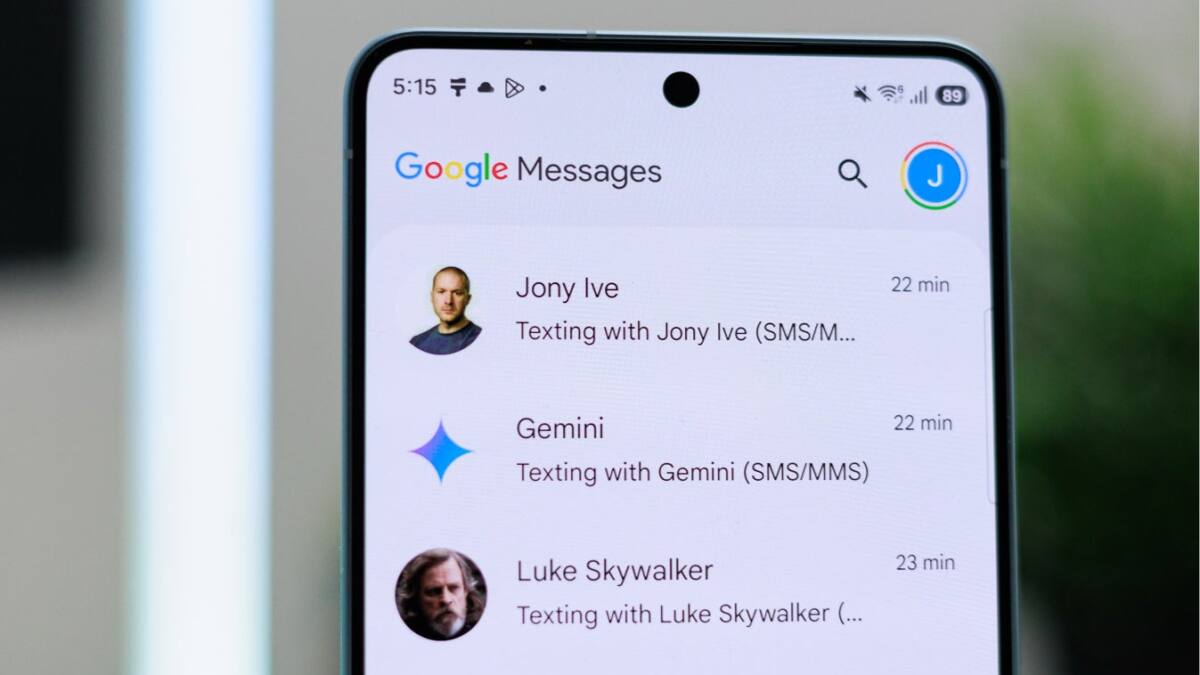
Google is stepping up its messaging game with real-time location sharing now built directly into Google Messages, eliminating the need to juggle between apps like Maps and your texts. This move aims to make Google’s native texting app more appealing for everyday Android users by integrating functionalities that have become standard elsewhere. While this enhances convenience-great for coordinating meetups or keeping track of loved ones-it also underscores how far Google still has to go to compete with entrenched messaging giants like WhatsApp and iMessage.
Location sharing in-text is powered by Rich Communication Services (RCS), the modern messaging protocol Google has promoted to replace SMS. RCS already supports features such as typing indicators, read receipts, and high-res photo transfers, but this expansion into real-time location updates marks a notable evolution. It’s a necessary step to keep up with the likes of WhatsApp and Apple’s iMessage, both of which have offered seamless location tracking for years.
Despite these improvements, Google Messages still faces an uphill battle. WhatsApp’s dominance comes from cross-platform reliability and a massive user base, meaning it’s where most people’s contacts already are. Google’s app, while modern and cleanly designed, requires users to switch ecosystems-a tough sell when your friends and family stick with their current messaging apps. The challenge isn’t just matching features, but persuading users to break habits ingrained over years.
One sore spot that Google hasn’t fully addressed is message history and data portability. Unlike WhatsApp, which securely backs up chat history to the cloud, making it easy to restore conversations across devices-even when switching between Android and iOS-Google’s solution remains cumbersome. Currently, transferring message history often demands a full device restore rather than a straightforward app sign-in and sync. This is especially frustrating for users who frequently change phones or own devices from multiple manufacturers.
While cloud backups to services like Google Drive exist, there isn’t yet an accessible, user-friendly tool within Google Messages for restoring conversations independently. Users sticking to Pixel devices might find the experience smoother, but beyond that ecosystem, the process is inconsistent and often complicated.
Google’s persistent updating of Messages shows it’s serious about catching up, yet it remains a contender rather than a champion in Android messaging. Real-time location sharing brings it closer to parity with bigger platforms, but until foundational features like seamless message history migration improve, it’s hard to see it dethroning WhatsApp or iMessage anytime soon. Still, for users wanting an integrated Google experience, the app is steadily becoming more reliable and polished.