

Google’s Live Translate, a powerful real-time translation tool previously exclusive to Android headphones, is now fully available on iOS devices. Launched initially in December 2023 with support for more than 70 languages, this feature brings seamless language conversion directly to Apple iPhones and iPads paired with any headphones, expanding beyond the Android ecosystem and leveling the playing field-especially for travelers and multilingual conversations.
Starting March 26, iOS users can access Live Translate not only with headphones but also through their device’s speakers, providing multiple ways to interact. Key language markets such as Italy, Japan, Thailand, the UK, France, and Germany are among the newly supported regions, enabling users to engage with locals, enjoy lectures, or participate in meetings without a language barrier.
How Live Translate works on Apple devices
To activate Live Translate on iPhones and iPads, users need to connect their headphones or use device speakers, then open the Google Translate app and select the Live Translate option. The feature offers different modes tailored to various needs:
- Listening mode: Ideal for real-time translations when paired with headphones.
- Conversation mode: Allows two-way communication, playing translations through speakers or headphones while users take turns speaking.
- Text only: Displays a transcript of the translation for silent reading.
- Custom mode: Users can mix and match the above modes based on their environment or preference.
Tap controls enable pausing or resuming the spoken translation, giving users full command of the experience. This flexibility surpasses Apple’s own translation features, which are still limited in language support and device compatibility.
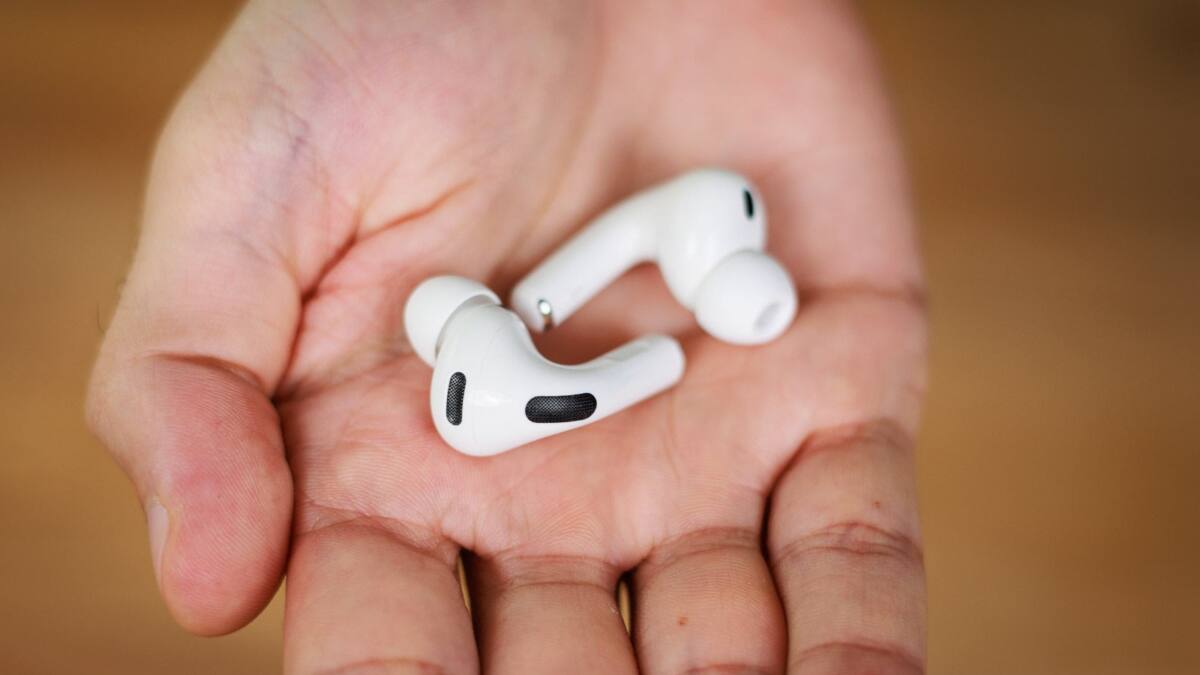
Unlike Apple, which often restricts advanced translation abilities to its latest devices and fewer languages, Google’s approach is more inclusive. The Live Translate feature works with virtually any headphones connected to a compatible iOS device, not just premium earbuds like the AirPods Pro 3. So whether you’re using an older wired set or the newest wireless buds, you can bridge communication gaps with ease.
This launch highlights Google’s commitment to universal AI accessibility, aiming to remove language barriers across platforms without prioritizing hardware exclusivity. It puts pressure on Apple to expand its linguistic reach and improve integration if it wants to keep pace in real-time translation technology.