


Google Drive has just boosted its security game with a new ransomware detection and file restoration system now available to all users. After a beta phase that launched in late 2023, this upgrade brings a sharper AI-powered scanner capable of identifying 14 times more ransomware infections than before. Instead of letting malicious files silently spread through syncing, Google Drive halts the process immediately, alerts users, and sends notifications to any connected collaborators.
This intervention is practical for anyone syncing files across multiple devices or within organizations that rely heavily on Google’s cloud storage. Beyond detection, the system helps users roll back files to a clean state, erasing ransomware damage and preventing permanent data loss. These ransomware safeguards are enabled by default once you update to Google Drive version 114 or higher, though you can adjust detection sensitivity or disable the feature if it conflicts with your workflow.
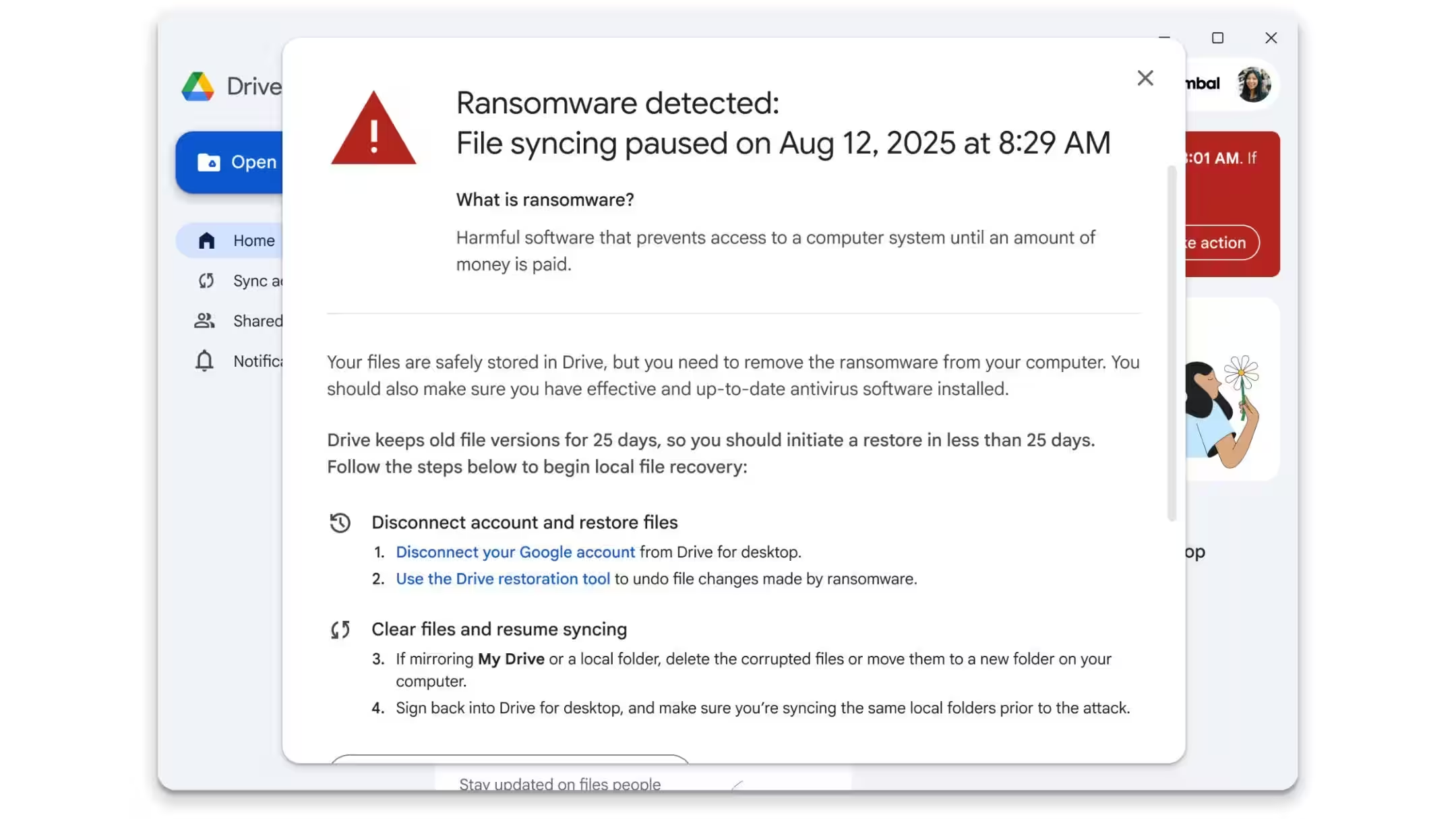
This rollout comes at a critical time as ransomware attacks continue to threaten personal and corporate data. Google Drive’s proactive ransomware detection reduces the risk of infections traveling unnoticed across synced devices-a common vulnerability in cloud storage systems. It also aligns with growing industry trends where major providers embed AI to not only detect threats but actively repair damage to user data.
Compared to competitors like Dropbox and Microsoft OneDrive, Google Drive’s ransomware detection is now more comprehensive and accessible to all users rather than limited to premium tiers. It follows similar moves by cloud services to introduce smarter file integrity checks that can halt malware spread before it wreaks havoc.
For Google Drive users, upgrading to version 114 or later means immediate protection against one of the most insidious cyber threats targeting cloud storage. The option to customize detection levels ensures that whether you’re running a solo project or a full team, the system can work without disrupting your usual file-sharing habits. The added peace of mind could influence more users to place trust-and sensitive files-in Google’s ecosystem.