

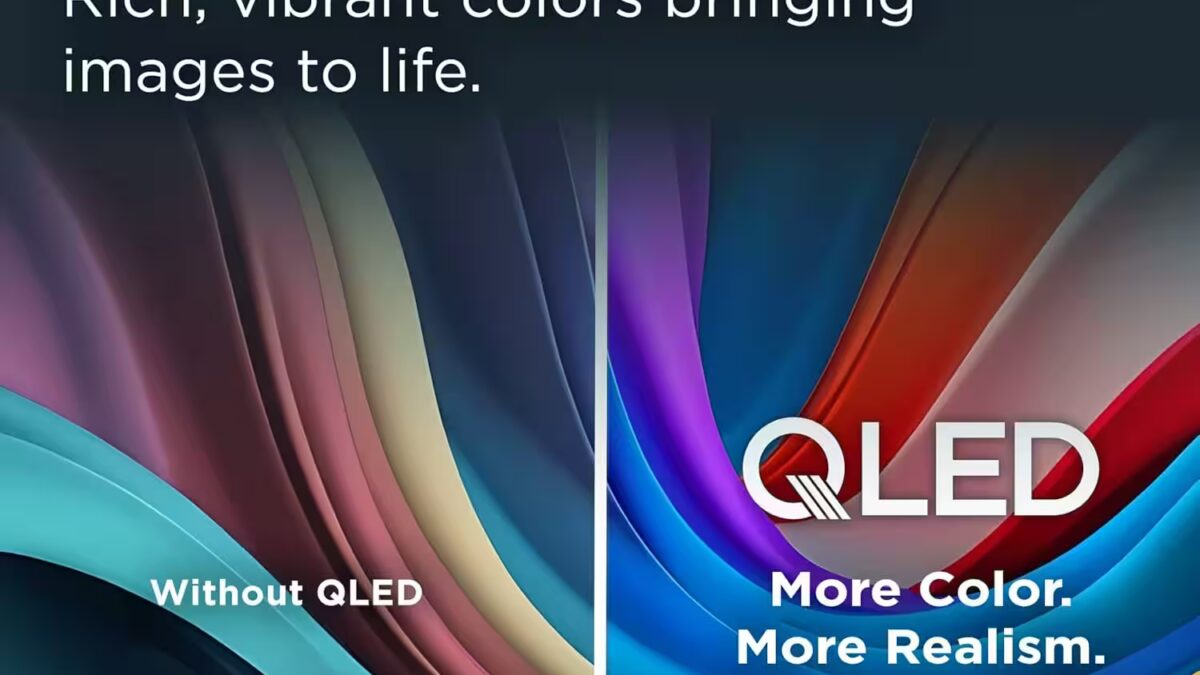
The Chinese TV giant TCL, one of the world’s largest television manufacturers, has hit a legal snag over its use of the QLED label. A German court ruled that the company misled consumers by marketing certain models using this term.
Following a lawsuit filed by Samsung, the Munich Regional Court decided that TCL’s QLED870 series and several other models violated Germany’s Law Against Unfair Competition. As a result, TCL is required to immediately halt specific advertising campaigns.
The court’s main concern centered on the use of quantum dot technology. According to International Electrotechnical Commission (IEC) standards, genuine QLED TVs must incorporate a special quantum dot film placed between the backlight and the LCD panel to enhance color reproduction.
However, the court found that TCL’s TVs contain only minimal quantum dots, which are applied solely to the diffuser layer. This implementation doesn’t provide a noticeable boost in brightness or color quality, falling short of consumer expectations for QLED-branded devices. Consequently, the court deemed TCL’s advertising misleading and unfair.
This isn’t TCL’s first legal battle in the region. The company previously lost a suit over its ”NXT FRAME” brand, which the court found infringed on Samsung’s The Frame trademark for its lifestyle TVs.
The new ruling effectively bans TCL from selling and promoting these specific TV models as QLED within Germany.
On top of that, TCL faces similar class-action lawsuits in California and New York. Parallel allegations of misleading QLED claims also target another Chinese TV maker, Hisense, in the United States.
For international tech audiences, this court decision highlights the growing scrutiny over how quantum dot technology is marketed-especially as brands vie to stand out in an increasingly saturated TV market. In Russia and other markets familiar with the fierce competition between Samsung and Chinese brands like TCL and Hisense, this ruling also underscores the legal and branding complexities these companies navigate while expanding globally. Given TCL’s ambitions and the rising demand for premium TVs, the outcome could influence how the entire industry approaches labeling and marketing quantum dot displays worldwide.
Ultimately, this case reflects a broader shift in consumer technology where transparency about the actual use of cutting-edge tech is becoming non-negotiable. Brands pushing buzzwords like ”QLED” must match those claims with genuine hardware features-otherwise, they risk legal consequences and damaged trust. TCL’s setback in Germany might just be the beginning of a more rigorous global crackdown on misleading claims in the TV space.