

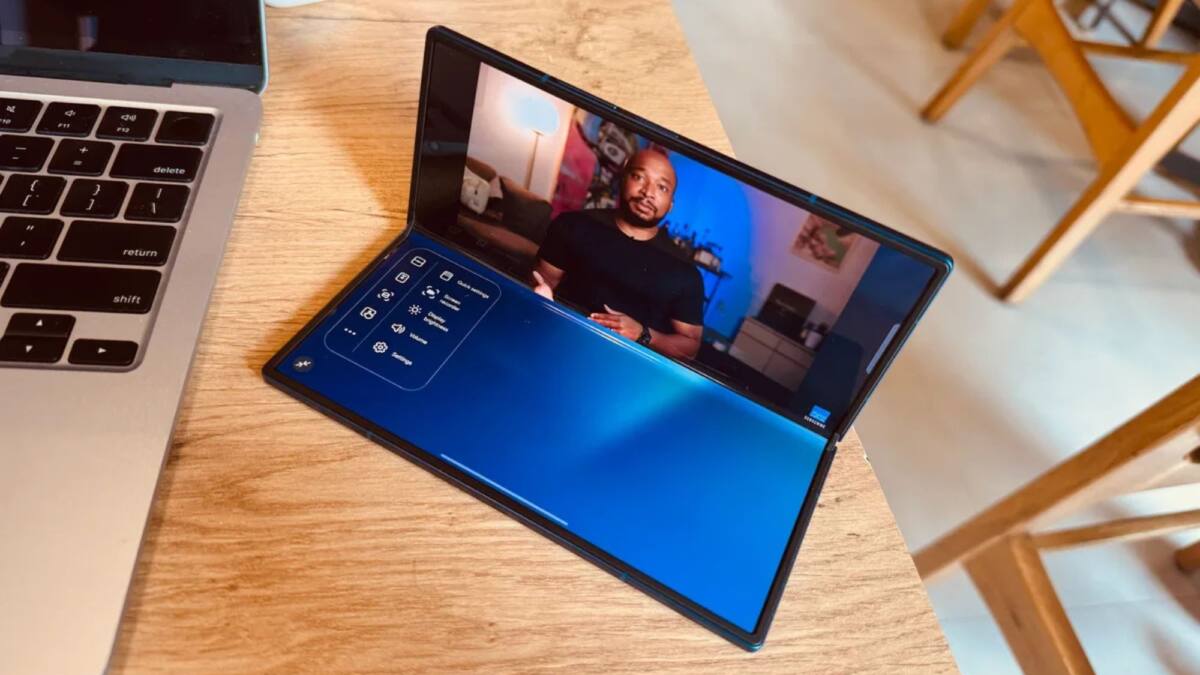
Samsung has quietly made its most expensive foldable even pricier in the U.S., lifting the Galaxy Z Fold 7’s 512GB and 1TB models just months before the Fold 8 is expected to arrive. The 256GB version stays at $2,000, while the higher-capacity Fold 7 now costs $2,200 and $2,500. Here’s how the Galaxy Z Fold 7 price hike breaks down.
Galaxy Z Fold 7 new U.S. prices
The updated pricing is live on Samsung’s official U.S. site, and there was no formal announcement to go with it. The 512GB model is up $80 from $2,120, while the 1TB version has risen from $2,420 to $2,500. That leaves the cheapest Fold 7 untouched, which feels less like restraint and more like a line drawn where Samsung thinks buyers will keep paying.
- Galaxy Z Fold 7 256GB: $2,000
- Galaxy Z Fold 7 512GB: $2,200
- Galaxy Z Fold 7 1TB: $2,500
Samsung is not alone here. Across the phone business, memory and component costs have been climbing hard, and Motorola recently pushed entry-level Android prices in the U.S. up by as much as 50%. Compared with that, an $80 hike can look polite. But on a phone that already starts at $2,000, even ”polite” pricing pressure is enough to shrink the crowd.
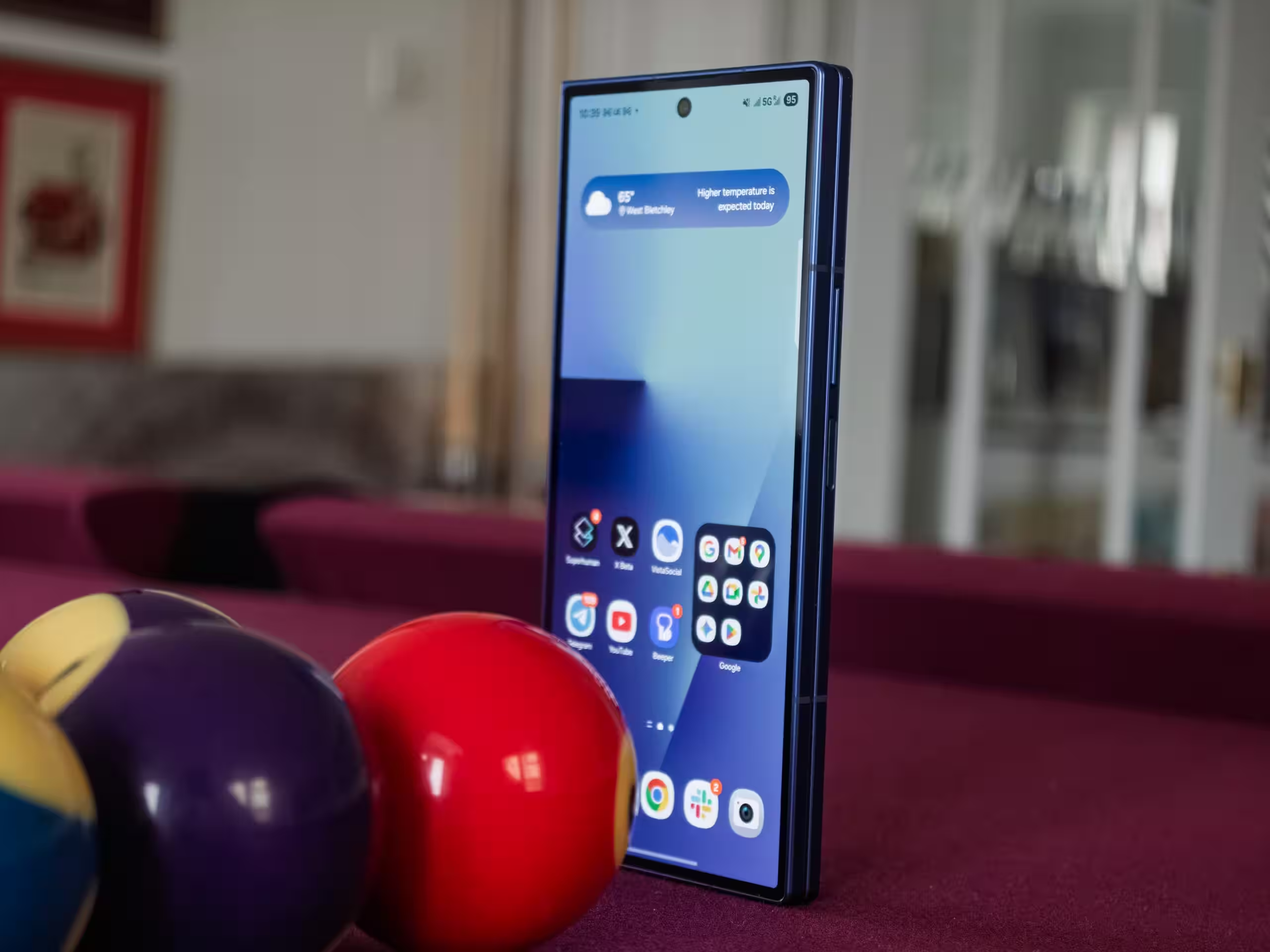
Why a late-cycle price hike matters
The timing is the eyebrow-raiser. Samsung is raising the price of a device that is already on the way out, and that suggests the company is willing to protect margins even when the product itself is nearing replacement. That is a useful clue for anyone eyeing the Fold 8: if the outgoing model gets more expensive, the successor is unlikely to be a bargain-bin surprise.
That matters because premium foldables already have a narrow audience. Raise the sticker price again, and you don’t just trim impulse buyers; you push more people toward regular slab phones, or toward waiting for the next Samsung discount cycle. Apple’s own foldable plans, meanwhile, are looming in the background and could make the category even more expensive before it gets cheaper.
What Fold 8 buyers should watch
The real question is whether Samsung is testing how much premium buyers will tolerate before the Fold 8 lands. If the company is already nudging the Fold 7 upward without much ceremony, expect the next model to arrive with a price tag that reflects component costs first and customer optimism second. The message is blunt: folding screens may be cool, but they are not immune to boring old inflation.