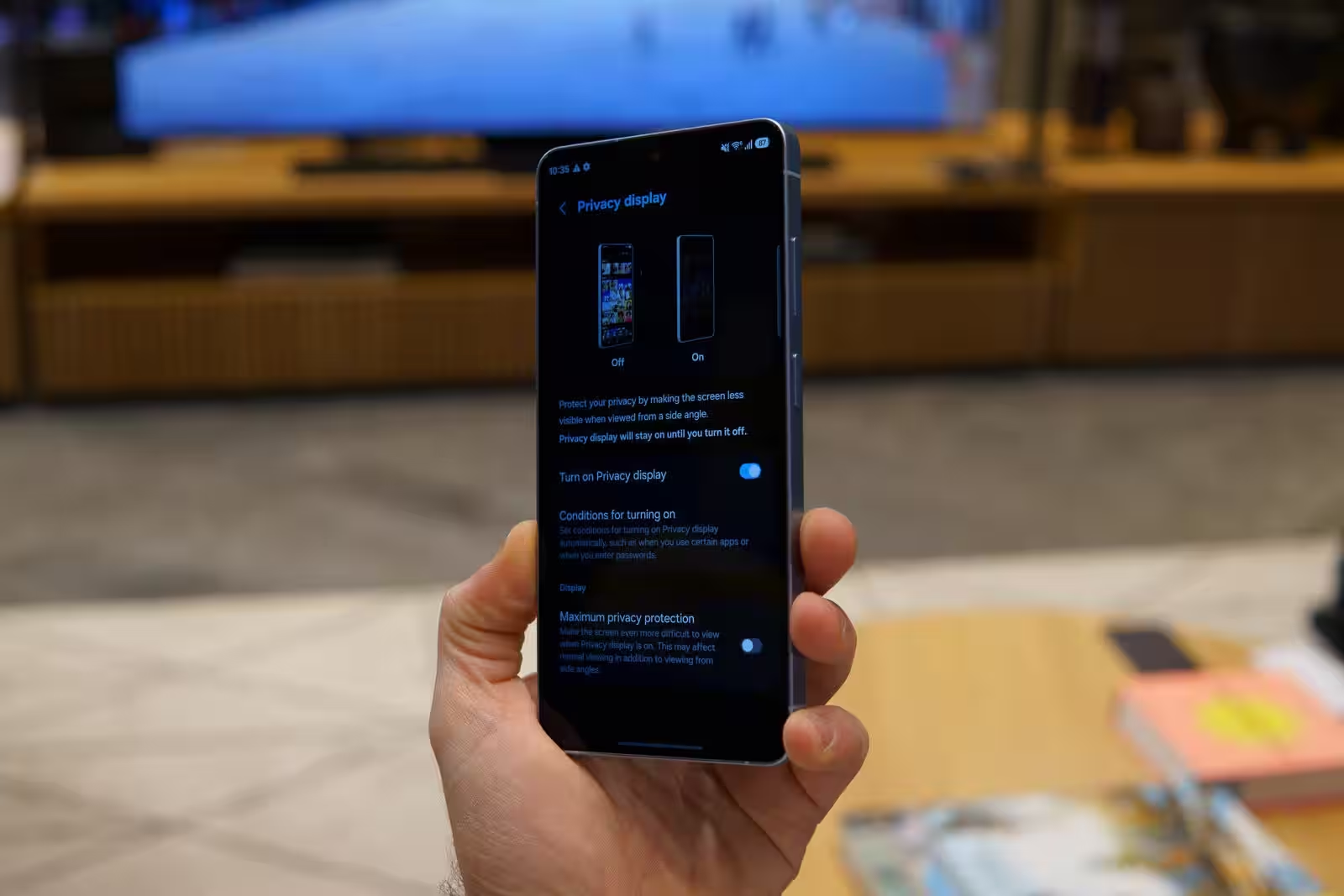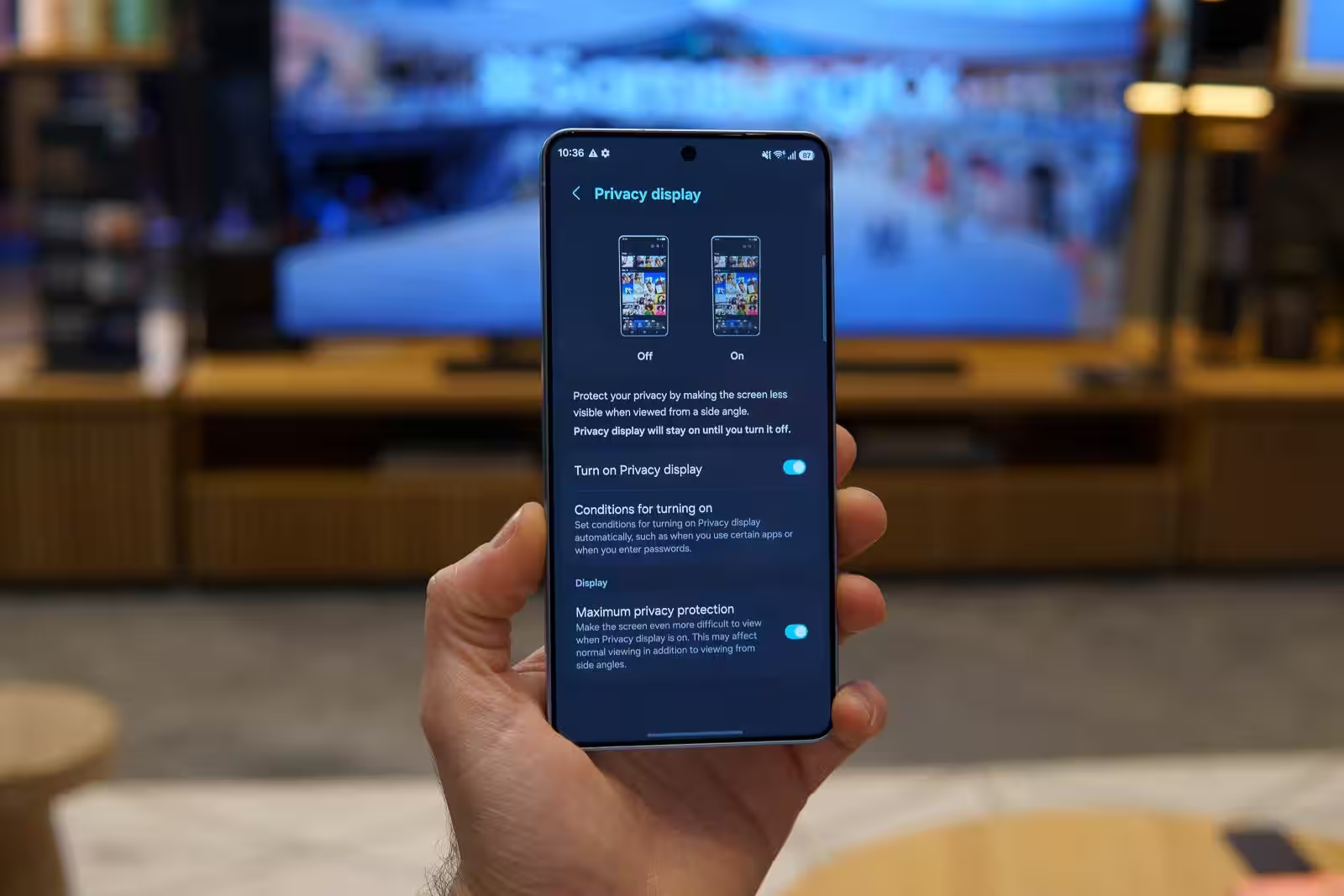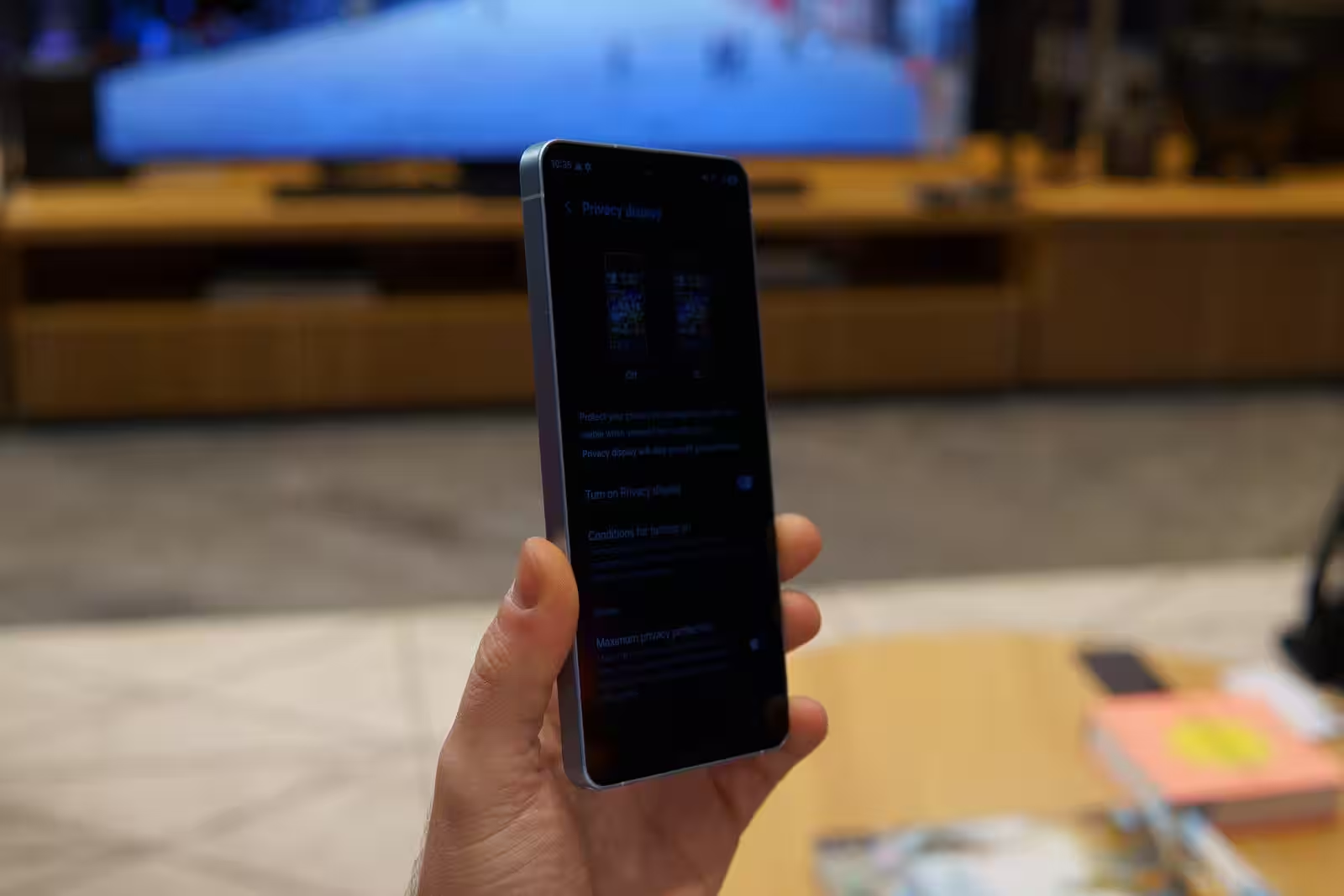
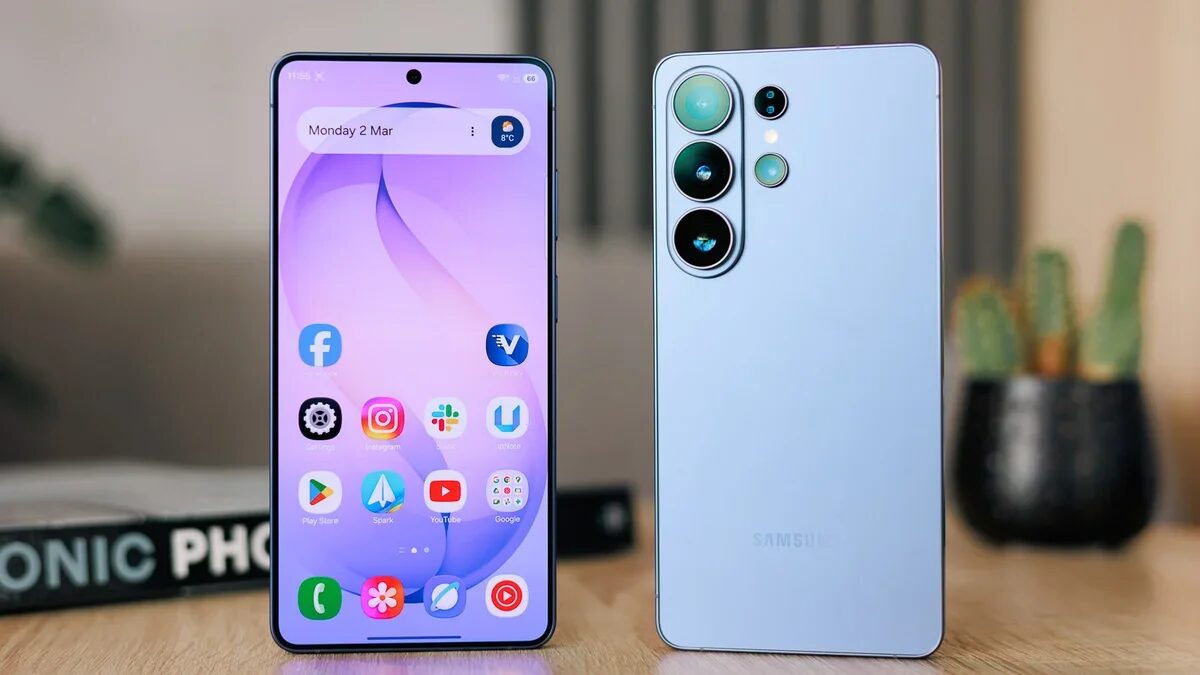
Samsung’s Galaxy S26 Ultra introduces a privacy display technology designed to shield on-screen content from side glances, but its real-world effectiveness is underwhelming and could unexpectedly compromise user privacy. The feature uses a novel pixel technology that dims wide-angle pixels while keeping narrow-viewing pixels active, theoretically limiting screen visibility from oblique angles. However, in practice, the display only obscures content when viewed from extremely steep angles-so much so that even normal distortion would make the image unreadable. This raises questions about whether the privacy display truly delivers on its promise or merely offers a false sense of security.
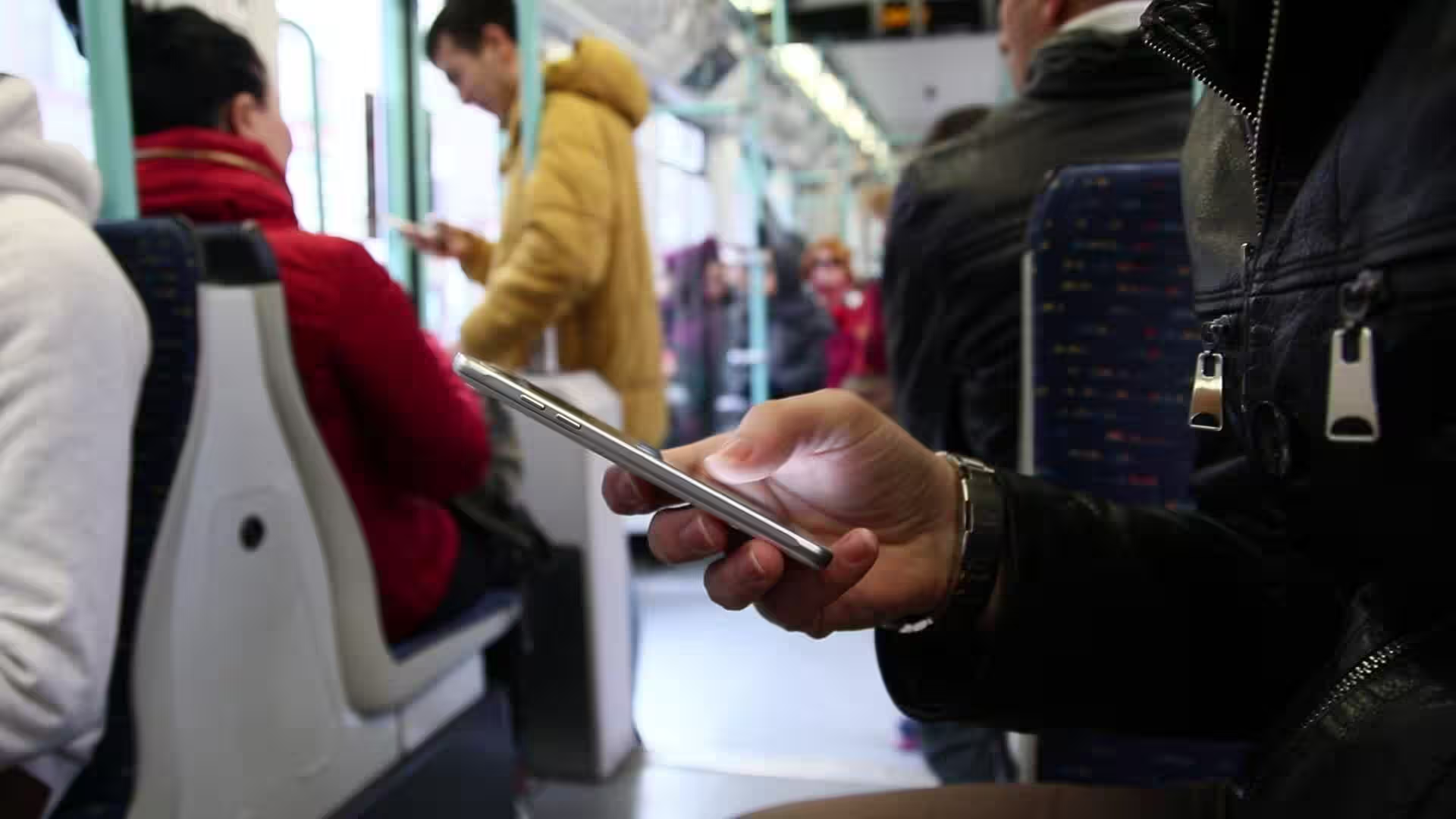
Though Samsung highlights this privacy display as a major innovation tailored for scenarios like sensitive password entry or financial app use, the privacy effect is too subtle to prevent nearby onlookers-such as those seated next to you on public transport-from viewing your screen. The risk here isn’t just the feature’s limited practicality but the psychological impact it has on users. The privacy display may encourage people to lower their guard in public spaces, tempting them to conduct banking or other sensitive activities under the illusion that their data remains protected.
How Galaxy S26 Ultra privacy display technology works and drawbacks
The privacy display relies on two types of pixels embedded within the Galaxy S26 Ultra’s screen: ”narrow” pixels that project the image directly forward and ”wide” pixels that extend visibility angles. When privacy mode is enabled, wide pixels dim to limit side visibility, but narrow pixels remain illuminated to maintain forward viewing. This separate management of pixel groups allows variable levels of privacy, but it also causes the display to look unusual even from a head-on perspective. Users report dimmer, less vibrant visuals and an inconsistent viewing experience as the phone toggles privacy based on app or input context.
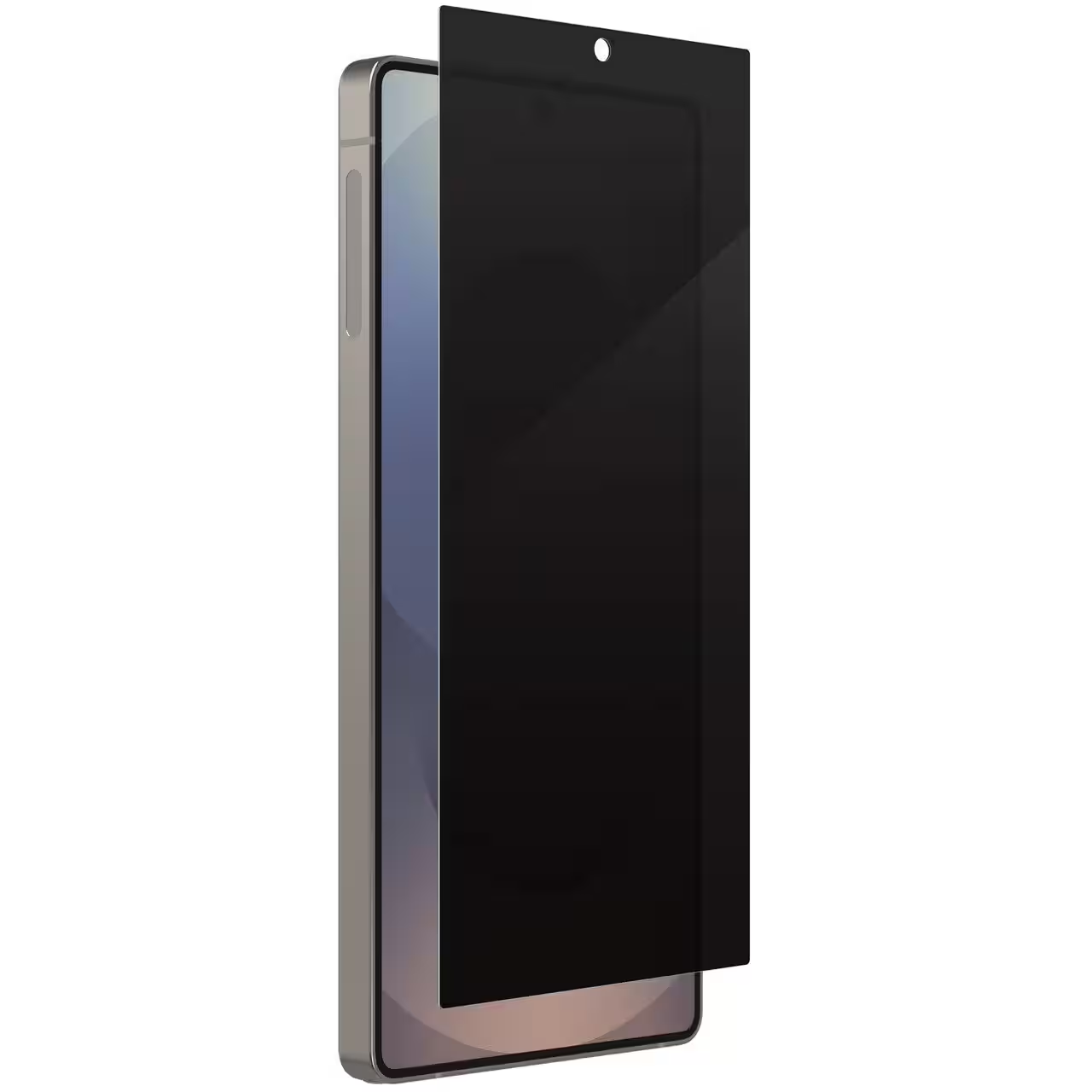
Unlike physical privacy screen protectors, which can be removed and replaced, this technology is built into the panel itself, posing trade-offs in display quality and potentially increasing repair costs. Buyers have no alternative Galaxy S26 Ultra models without this embedded feature, forcing everyone to live with its quirks or opt out entirely by disabling the function-but never fully undoing the embedded hardware changes.
Limitations and future prospects of smartphone privacy displays
While Samsung’s Galaxy S26 Ultra privacy display represents a push toward better personal data protection on mobile devices, the first iteration falls short of practical needs. Its limited effectiveness at common viewing angles undermines its fundamental goal, and the changes it makes to screen appearance can frustrate users. However, the technology’s potential is evident, and future generations could offer sharper privacy control without compromising screen quality.
This development may also nudge competitors to innovate in display privacy. Despite Apple and others currently offering no similar hardware privacy screens, the spotlight on Galaxy’s approach could prompt more manufacturers to invest in hardware-level privacy solutions for smartphones.
For now, the Galaxy S26 Ultra privacy display feels more experimental than essential. Consumers should approach it with caution-don’t assume it replaces vigilance in public settings. Samsung has laid the groundwork, but proving that screen privacy tech can be both truly effective and user-friendly remains a work in progress.