

The PC industry is getting squeezed from every side, and Framework CEO Nirav Patel is leaning into the panic. In a recent blog post, he argued that cloud computing is economically outpacing personal computers and warned that the industry is drifting toward a future where users ”own nothing and be happy.” That sounds dramatic because it is, but it also captures a real problem: memory and storage costs are rising fast, and the companies that sell the parts are increasingly serving AI data centers instead of ordinary buyers.
The timing is awkward for everyone involved. IDC says the PC industry was growing in the first quarter of 2026, then hit a wall over the last few months as component shortages and deteriorating economic conditions piled up. IDC also pointed to the war in Iran as a fresh burden on global logistics, with the pressure trickling down to end users through higher prices. In other words: this is not just a Framework problem, and it is not just a consumer annoyance. It is an industry-wide bill coming due.
RAM shortages are reshaping the PC market
Framework has been unusually blunt about the squeeze because its business depends on modular parts people can buy separately. Over the last few months, the company has repeatedly raised prices on RAM and storage, including a recent increase on SSDs of 4TB or higher and prebuilt Framework Laptop 16 configurations with 64GB of DDR5 RAM. That kind of transparency is refreshing, but it also doubles as a sales pitch: if the PC is getting more expensive anyway, Framework wants to be the company selling you something you can keep fixing.
The broader supply chain story is even uglier. AI datacenter buildouts have created enormous demand for HBM memory, and the big memory suppliers – Samsung, SK Hynix, and Micron – are oriented toward that market. Consumer DRAM and NAND flash are getting caught in the leftovers. Once GPU, SSD, and RAM prices all move up together, the classic ”just buy a decent laptop” advice starts sounding quaint.
Asus ran into the same pricing headache
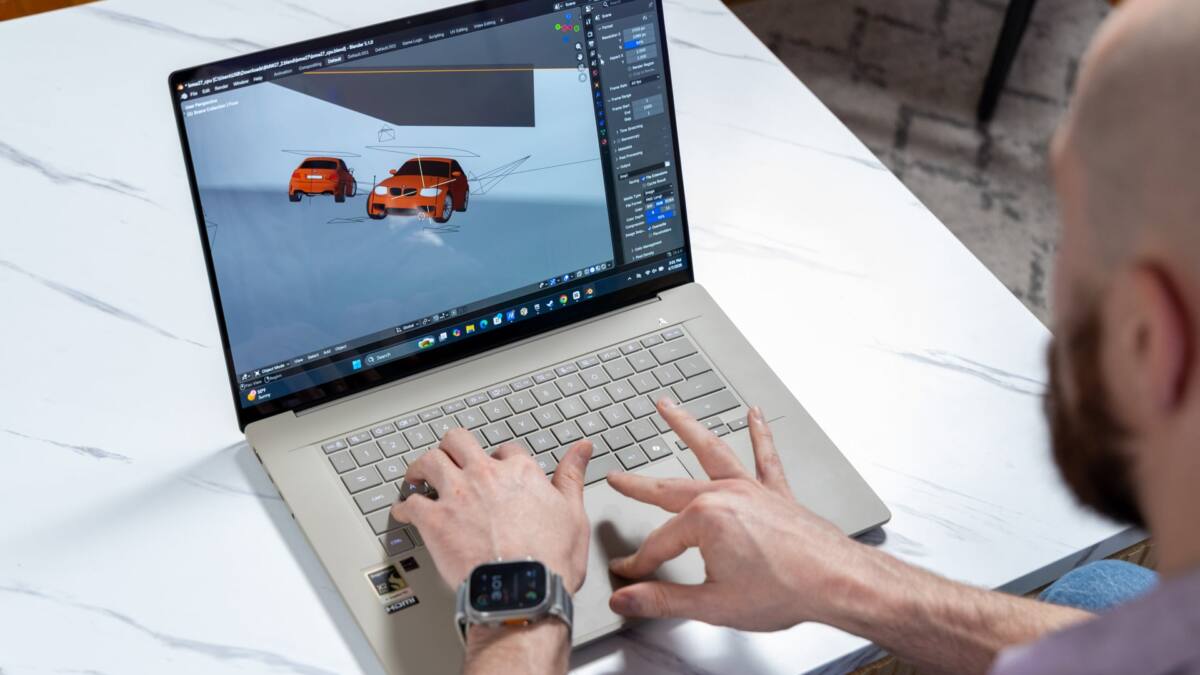
Framework is not alone in getting caught by the new math. Asus launched its Zenbook A16 at $1,600 and adjusted the price to $1,700 by that same afternoon, blaming an error from Best Buy. A price change that fast is almost funny, except it is also a reminder that hardware pricing is getting more volatile than the companies selling it would like to admit.
- Framework says the next product announcement is slated for April 21.
- The company’s teaser video includes penguin imagery, hinting at a Linux tie-in.
- Framework’s current PCs can run Linux or be bought with a Windows 11 license.
Framework’s next move looks like a Linux play
Patel is clearly doing two things at once: complaining about a broken market and trying to turn that complaint into momentum for a launch. If the next Framework machine leans harder on Linux, that would fit the company’s long-running pitch that ownership, repairability, and software choice matter more than glossy resale value. It would also be a practical way to shave costs in a market where every component seems to arrive with a surcharge attached.
The bigger question is whether consumers will keep paying for the right to own a machine outright. For years, tech companies have nudged users toward subscriptions, services, and cloud dependencies because recurring revenue is lovely if you’re the vendor. The PC industry may not be ready to say the quiet part out loud, but Patel already has: if hardware keeps getting more expensive and parts keep getting tighter, the old personal computer bargain gets harder to defend.