

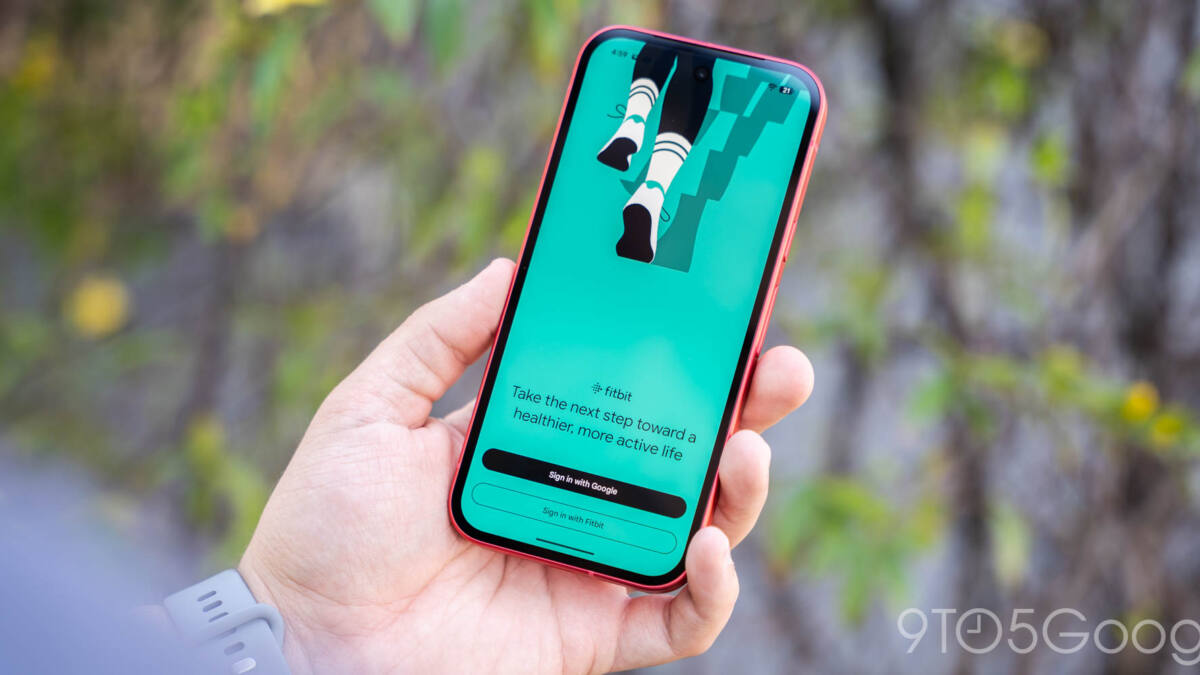
Fitbit is widening its Public Preview again, and this round is less about flashy hardware than about making the software feel less like a beta reserved for a handful of users. The Fitbit Public Preview now reaches 37 more countries, while the US gets access to Medical Records and everyone gets a new VO2 Max view.
Fitbit Public Preview reaches 37 more countries
The expansion covers a long list of markets, including Austria, Brazil, France, Germany, India, Japan, Mexico, Spain, Sweden, and Taiwan. Fitbit is also adding support for 27 new languages, from Brazilian Portuguese and Hindi to Japanese, Korean, and Chinese (Traditional). That kind of rollout matters because health apps are only as useful as the number of people who can actually read them without a dictionary.
For Fitbit, the move also looks like a classic Google-style patience play: ship the feature set, then spend months turning a controlled preview into something that can scale across regions and languages. Competitors such as Apple and Samsung have spent years localizing their health platforms, so Fitbit is late to the party – but at least it is showing up with the right shoes on.
VO2 Max and Medical Records join the app
The headline feature update is VO2 Max, which Fitbit previously called Cardio Fitness Score. In the Public Preview app, it now appears in the Fitness tab under Key metrics, giving users a more familiar label for one of the better-known endurance measurements in wearables.
In the US, Fitbit is also rolling out Medical Records, which lets users link lab results, medications, and visit history inside the app. The company says the data stays under the user’s control, and the feature is arriving with version 4.67 over the coming weeks. That is the sort of integration health platforms have promised for years; getting it into a consumer app without making it a mess is the hard part.
What to expect next from Fitbit
The bigger question is whether Fitbit can turn this preview into a reason for lapsed users to care again. Wider availability, stronger language support, and a more complete health dashboard are solid moves, but they also set a higher bar: if the coach feels generic or the records sync is clunky, people will notice fast. For now, Fitbit is betting that useful beats dramatic, which is usually the safer bet in health tech.