

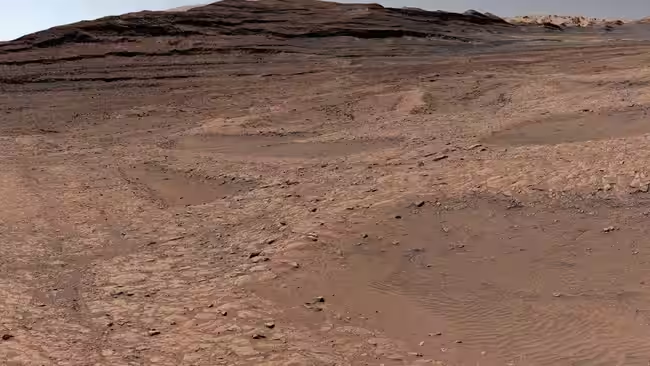
The Mars rover Curiosity has captured striking images of unusual rock formations on Mount Sharp-networks of mineral ridges standing up to two meters high, forming an intricate web-like pattern across the Martian surface. These features likely formed billions of years ago as groundwater deposited minerals in cracks, with subsequent wind erosion carving away softer material. This discovery hints that Mars retained subsurface water activity much longer than previously thought.
From orbit, these intersecting stone ridges resemble a giant stone spiderweb stretching across the landscape. Curiosity’s detailed observations, made in late 2025 using its Mastcam, revealed not only the striking ridges but also diminutive mineral nodules scattered along the walls and floors of these formations. Scientists had expected these mineral spheres to cluster near the fractures where they formed, but their spread across the surfaces challenges existing models of Martian groundwater chemistry and flow.
Driving Curiosity through this stony labyrinth is no small feat. The ridges barely exceed the rover’s width, forcing operators to maneuver carefully to avoid the risk of wheels getting trapped in sandy depressions nestled between the stone ”threads.” Despite the challenging terrain, the rover collected soil samples from both the crests and troughs.
Chemical analysis of these samples uncovered clay minerals concentrated on the ridge tops, while carbonate deposits filled the valleys. This layering points to environmental conditions where water repeatedly flowed through fractures and deposited minerals in an episodic fashion. Each sediment layer on Mount Sharp serves as a chapter in Mars’s climatic history-from wetter to progressively drier epochs-with evidence now confirming intermittent groundwater presence even during late stages of the mountain’s formation.
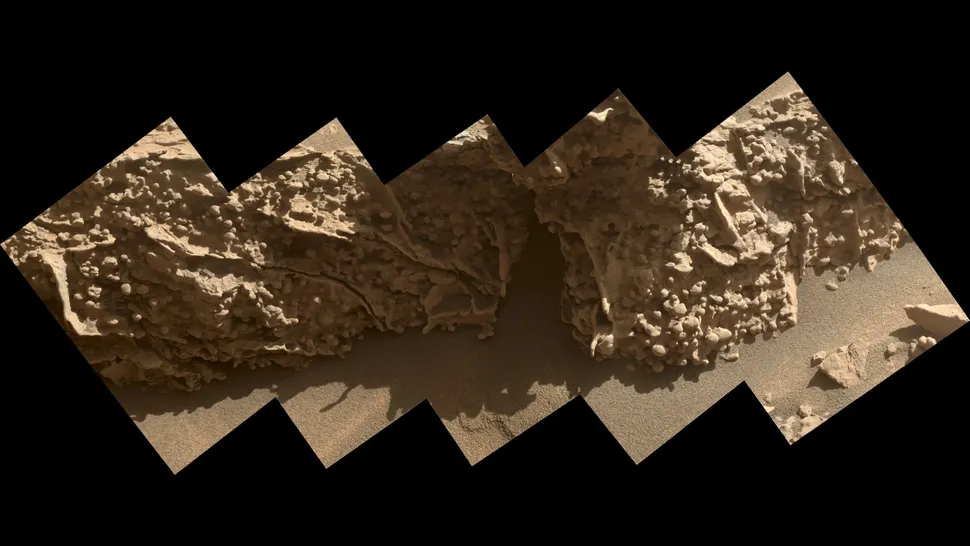
Unlike past discoveries that focused on ancient lakebeds, these mineral webs reveal a subtler narrative of Martian hydrology-groundwater seeping through fractures and slowly sculpting the landscape over millions of years. Curiosity’s findings complicate the assumption that Mars’s water story ended abruptly in its distant past, suggesting instead a prolonged and dynamic underground water system.
The rover is scheduled to leave this intricate zone in March 2026, as it ascends further up Mount Sharp to continue unraveling Mars’s layered geological record. Meanwhile, the mineral webs remain a compelling target for future missions seeking evidence of habitable environments sustained by groundwater activity well beyond Mars’s early wet era.