

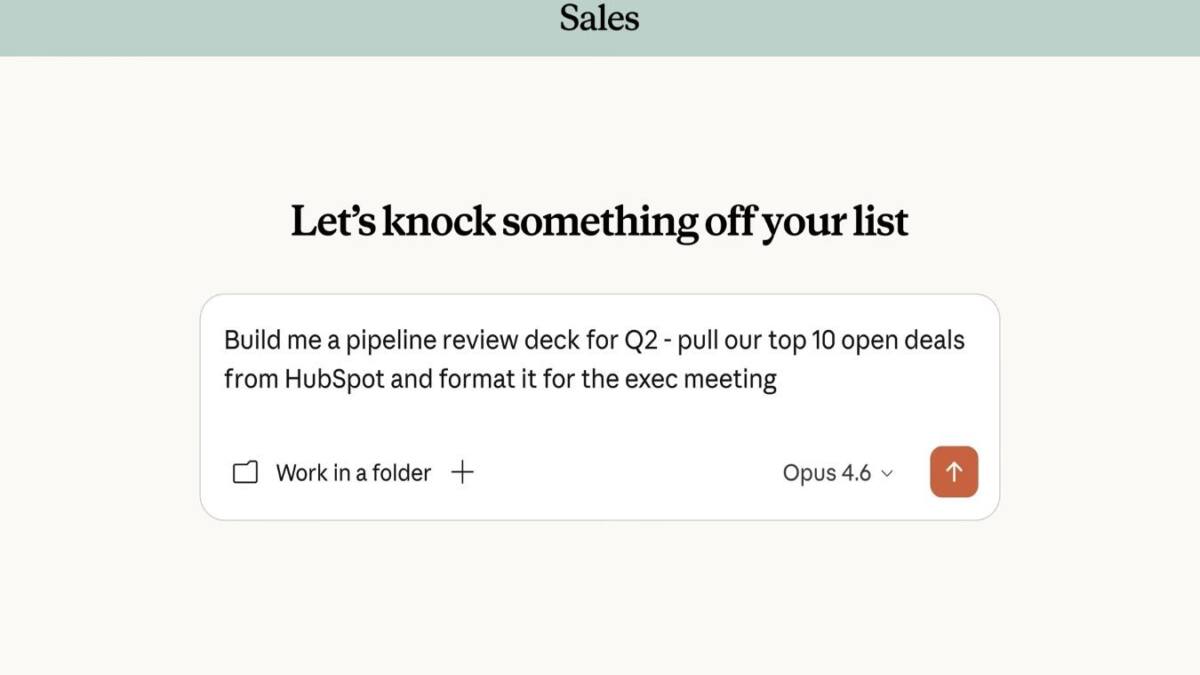
Anthropic is trying to turn Claude Cowork from a promising experiment into something companies can actually govern. The service is now generally available on all paid plans for macOS and Windows, and the bigger story is the enterprise plumbing wrapped around it: access controls, spend limits, analytics, connector permissions, and monitoring hooks meant to keep AI from becoming an unruly expense line with a chat window.
That is the right direction. Plenty of AI tools look friendly in demos and messy in real organizations, where finance wants budgets, IT wants logs, and legal wants fewer surprises. Anthropic seems to understand that Cowork has to behave less like a novelty and more like shared workplace infrastructure if it wants to survive the pilot phase.
Enterprise controls for Claude Cowork
The new management layer is doing most of the heavy lifting here. Enterprise admins can set access by provider, model, and feature, while group spend limits make it possible to rein in usage across departments instead of leaving every team to burn through its own budget in silence.
Anthropic is also adding dashboard metrics, an Analytics API, broader OpenTelemetry support, and tighter connector permissions. In plain English: companies can watch sessions, active users, connector activity, and adoption by team, then push Claude usage into systems they already monitor. That is a lot less glamorous than a shiny product launch, but it is exactly the sort of thing that determines whether procurement signs off or walks away.
Why Anthropic is targeting more than developers
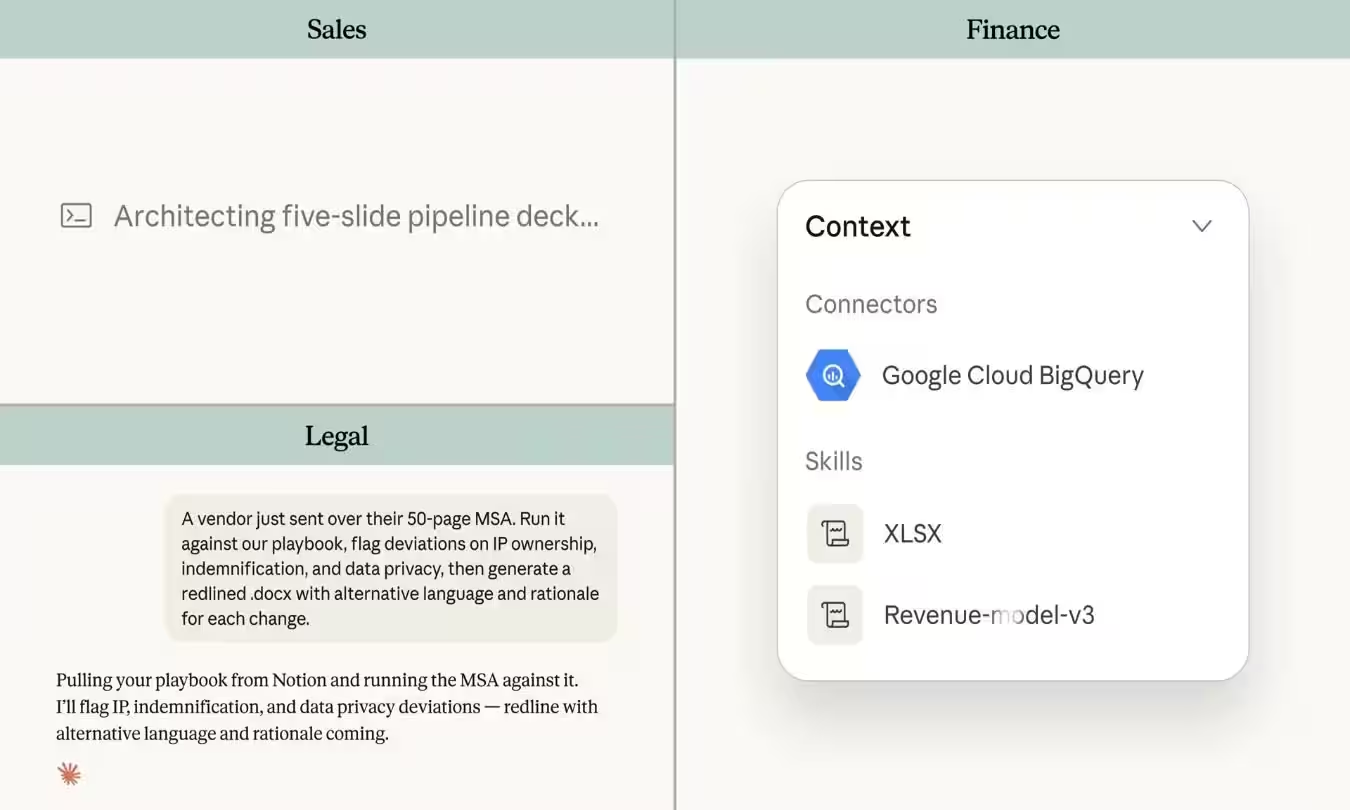
Anthropic says most Claude Cowork usage already comes from operations, marketing, finance, and legal, with non-engineering teams using it for project updates, research, and internal collaboration. That tracks with the broader enterprise AI shift: the first wave sold coding help, but the stickier business case is often document work, cross-team coordination, and information retrieval.
That shift also explains the product design. A tool aimed only at technical teams can get by with loose controls and a friendly interface; a tool used across the company needs guardrails. If Anthropic gets this right, Cowork stops being ”an AI sidecar” and starts looking a lot more like a shared work layer that sits between employees and company knowledge.
The real test for workplace AI adoption
General availability gives Anthropic a cleaner sales pitch, but it does not guarantee broad adoption. Companies already have enough AI tools drifting through their stacks, and many are asking the same annoying question: who pays, who can use it, and where does the data go?
The answer for Cowork now depends on whether those controls are strong enough to make rollout feel safe and boring – which is exactly what enterprise software is supposed to be. If the platform can support multiple departments without becoming a governance headache, it has a real shot at becoming standard office kit rather than another clever pilot that dies in a slide deck. The next few months should show whether Anthropic built a workplace product, or just a better-managed demo.