

Everyone loses keys. What matters now is who owns the map that helps you find them.
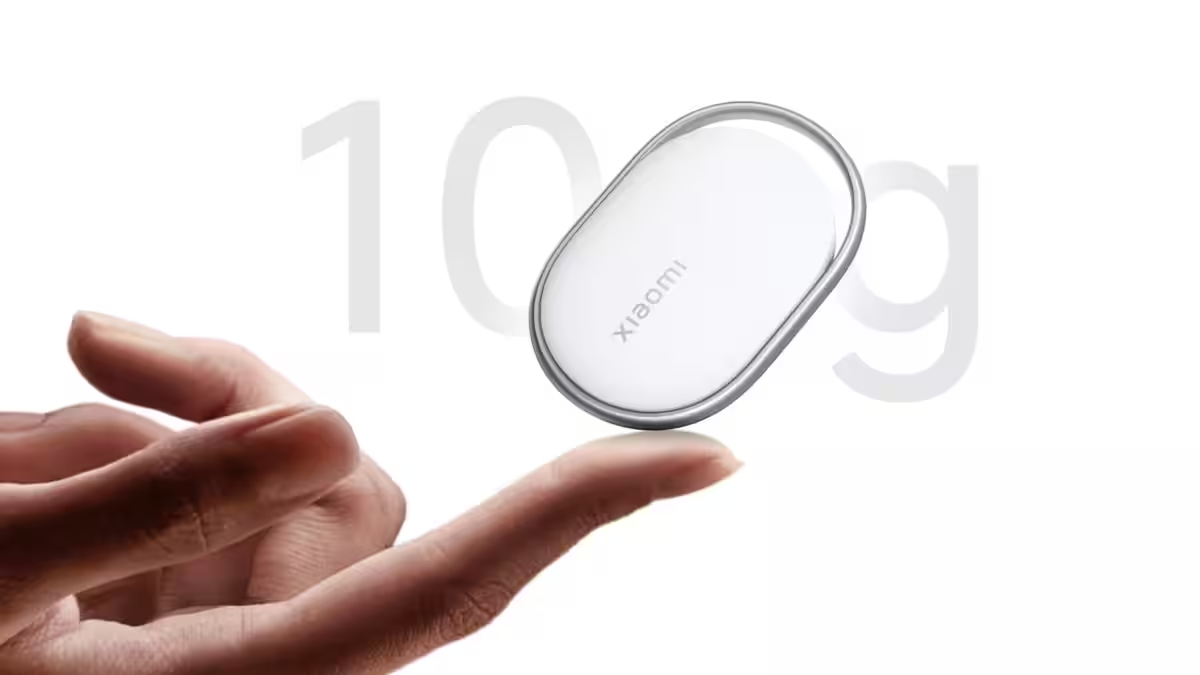
Xiaomi will unveil the Xiaomi Tag at MWC on February 28, 2026, in Barcelona. The tiny Bluetooth tracker weighs 10 grams, measures 7.2mm thick, and runs on a CR2032 coin battery Xiaomi says will last about one year. It pairs with both Apple’s Find My network and Google’s Find Hub ecosystem, uses Bluetooth 5.4 and NFC for tracking, and – for now – lacks ultra-wideband (UWB) positioning. A UWB-enabled model is reportedly in development. Retail listings that appeared ahead of the launch put the price at €17.99 for a single unit and €59.99 for a four-pack. The company will reveal the device at its 2 PM CET event in Barcelona, alongside the Xiaomi 17 Ultra, Redmi Buds 8 Pro, the Xiaomi Ultra Slim Magnetic Power Bank, and other AIoT products.
Why the Xiaomi Tag matters
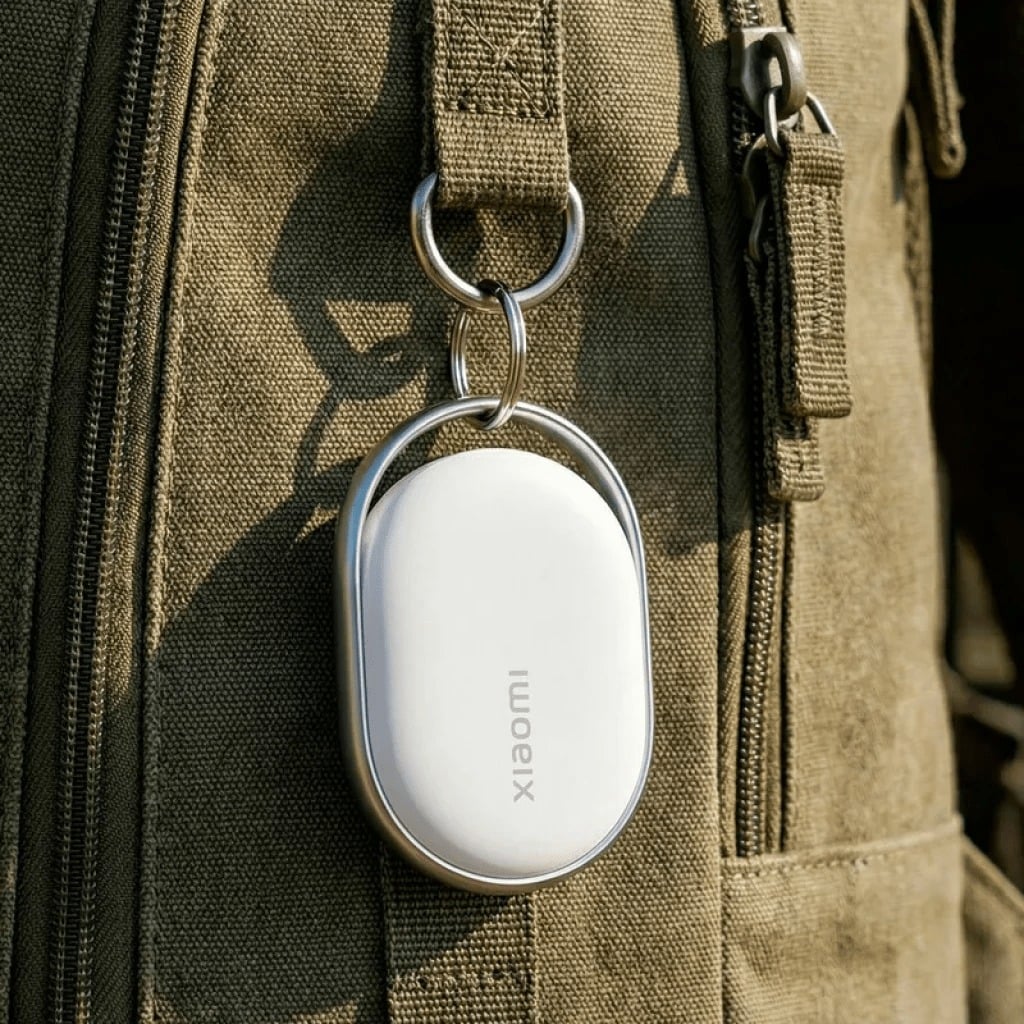
At face value this is another low-cost tracker: small, cheap, and designed to sit on a keyring. But there are three bigger shifts in motion.
First, Xiaomi is pushing cross-platform interoperability. Support for both Apple’s and Google’s crowdsourced location networks means Xiaomi wants these tags to be useful to as many phones as possible – not just to people locked into a single ecosystem. That’s important because the real value of a tracker is the density of other devices that can anonymously spot it and report its location.
Second, Xiaomi is competing on price. The leaked €17.99 single-unit price undercuts mainstream premium options and positions the Tag as a throw-in accessory rather than a guarded investment. For shoppers who see trackers as disposable helpers, that’s appealing.
Third, the hardware choices matter. Bluetooth 5.4 and NFC are fine for simple ”where was it last seen” use cases. They don’t deliver the centimeter-level directional finding UWB provides. Xiaomi’s decision to ship the base model without UWB keeps costs and battery demands down, but it also means the Tag won’t match the precise, on‑the‑spot locating experience that some rivals offer.
Who wins, who loses
Winners: budget-minded consumers and Xiaomi’s own ecosystem. A sub‑€20 price lowers the barrier for households to tag dozens of items – keys, remote controls, luggage, laptops – without worrying about the sticker shock.
Losers: makers who sell premium accuracy as the main selling point. If buyers prioritize cheap ubiquity over precision, market share can shift away from higher-margin UWB-equipped tags. Incumbents that depend on accessory premiums will feel pressure.
Context: where this fits in the tracker timeline
Trackers began as a niche accessory tied to a single app and Bluetooth range. Apple’s AirTag mainstreamed the category by pairing hardware with its massive device network and adding UWB for precise finding. Samsung and others followed with their own variants. Today the category is split between cheap, Bluetooth-only devices and more expensive UWB-enabled models that offer directional guidance.
Xiaomi’s approach mirrors a recurring cycle in consumer tech: introduce a lower-cost alternative that trades a luxury feature for a much lower price, then later release an upgraded model once the market is ready. The company’s hint that a UWB variant may come later fits that pattern.
Privacy and safety questions
There’s a privacy balancing act here. Apple and Google have built anti-stalking and alert mechanisms into their networks, but wider support from third-party devices increases the number of tracking endpoints in the world. Cheap tags that are easy to hide amplify both legitimate and malicious uses. Expect regulators and safety advocates to watch the rollout closely – particularly in markets where personal tracking has drawn scrutiny.
What to expect next
At MWC, Xiaomi will try to sell the idea that tracking should be simple, affordable, and platform-agnostic. If the Tag ships at the leaked price and delivers clean integration with Find My and Google’s network, Xiaomi could flood the market with low-cost units and force competitors to lower prices or emphasize premium features like UWB, longer battery life, or richer companion software.
If you value precision and on‑screen directional cues, wait for the rumoured UWB model or stick with UWB-capable tags. If you want cheap ubiquity and cross‑platform compatibility, the Xiaomi Tag looks aimed squarely at you.
We’ll have hands‑on impressions and accuracy checks after the February 28 reveal. For now, the lesson is simple: tracking hardware is getting cheaper, but the underlying trade-offs between price, precision, and privacy are still the same.