

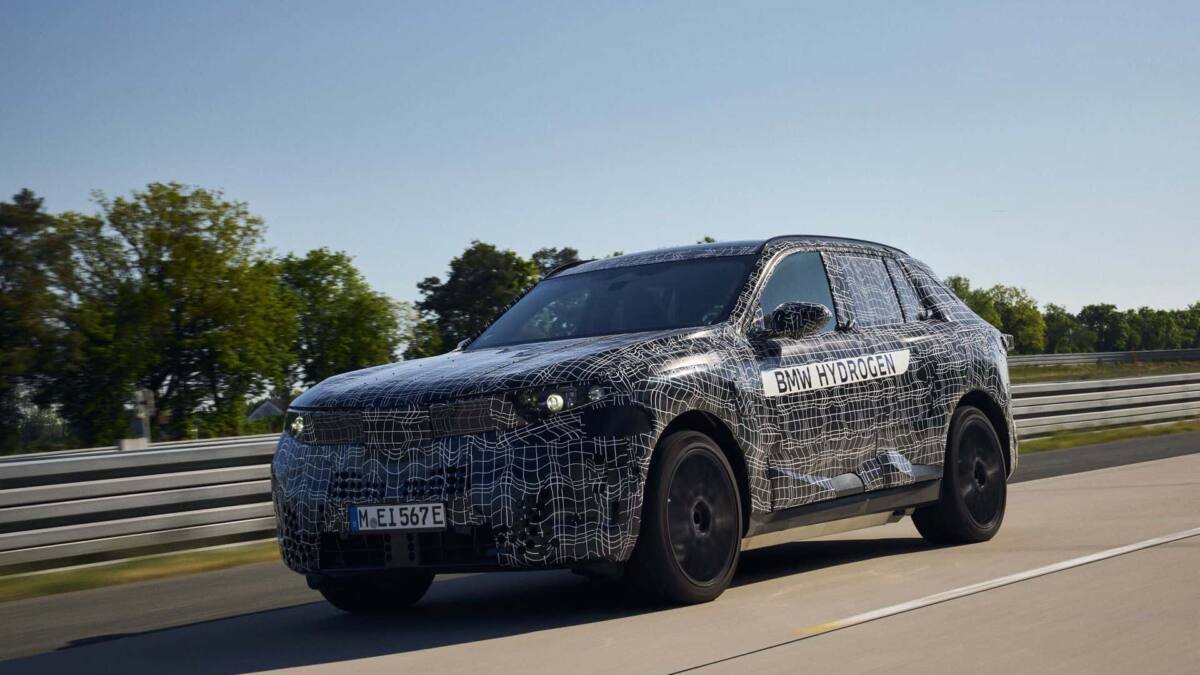
BMW remains one of the few legacy automakers investing in hydrogen fuel-cell technology, but don’t expect a high-performance M car powered by hydrogen anytime soon. Frank van Meel, head of BMW M, has highlighted how the physical challenges of packaging and managing hydrogen fuel-cell stacks make a performance-focused hydrogen vehicle more fantasy than reality at this stage.
Achieving the kind of power output BMW M demands requires multiple hydrogen fuel-cell stacks working together, each needing its own cooling systems and space. Squeeze enough of these stacks in to hit sports car power levels, and the vehicle’s size and weight balloon, resulting in a car more truck than agile performer. This problem hasn’t been solved yet, putting an M-branded hydrogen car on ice for now.
BMW M is also hesitant about hydrogen’s role in motorsport. While brands like Toyota explore burning hydrogen in internal combustion engines for racing, BMW insists on fuel-cell tech to maintain zero tailpipe emissions-only water vapor as exhaust. This decision adds weight and complexity barriers difficult to overcome on demanding circuits where every second and kilogram count.
Hydrogen finds a home in BMW’s production SUVs, not M cars
The story differs for BMW’s road cars, where hydrogen fuel cells are inching toward reality. BMW plans to launch the iX5 Hydrogen SUV around 2028, backed by years of global testing covering extreme climates. This production-ready model features a third-generation fuel-cell system jointly developed with Toyota, promising a more compact, powerful, and efficient driveline suitable for an SUV-but still too bulky for a performance car’s tight confines.
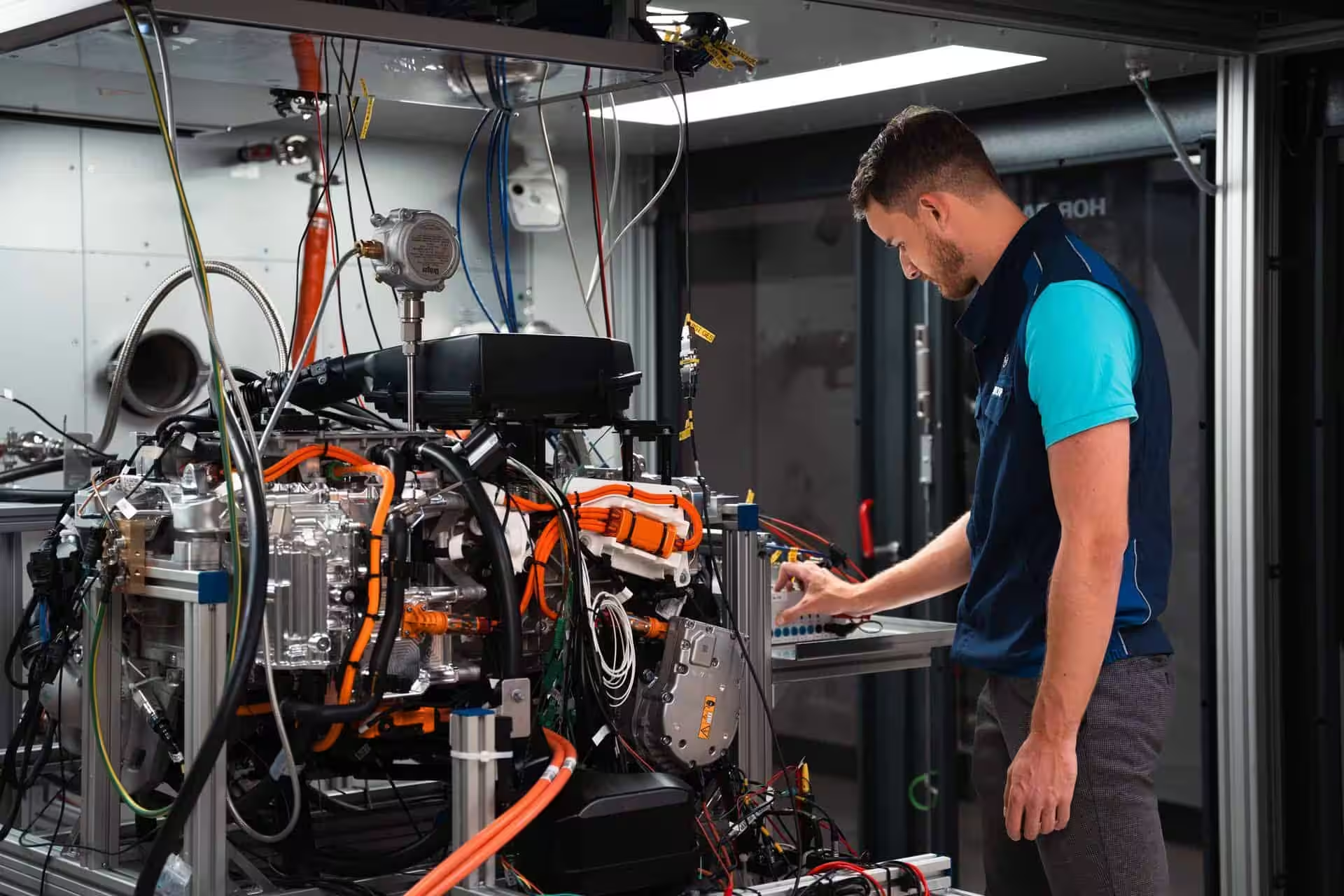
BMW manufactures its fuel-cell stacks at its Austrian plant in Steyr, with key electronic components produced in Germany. The iX5 Hydrogen will join a wide powertrain line-up in the next-generation X5, featuring petrol, diesel, plug-in hybrid, and battery-electric options. BMW’s persistence with hydrogen reflects strategic confidence in the tech’s role in markets where fast refueling and long range trump charging infrastructure availability.
While BMW M’s roadmap centers on combustion engines, plug-in hybrids, and battery-electric platforms, hydrogen remains an intriguing but distant option. Breakthroughs in shrinking fuel-cell stacks and managing the thermal load will be essential before hydrogen-powered M models can enter the conversation. For now, BMW M watches from the sidelines, neither fully committing nor ruling out hydrogen’s performance potential.