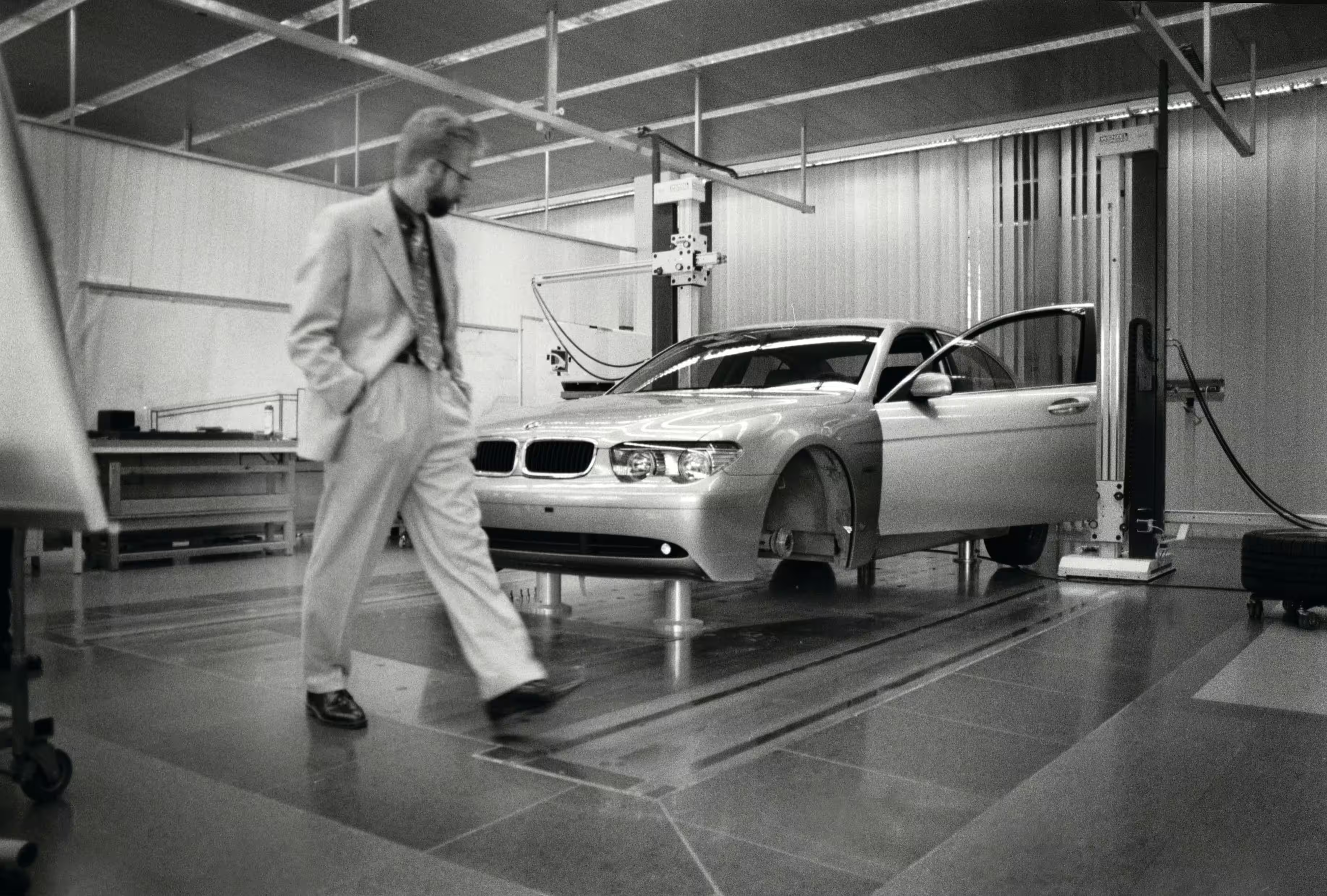
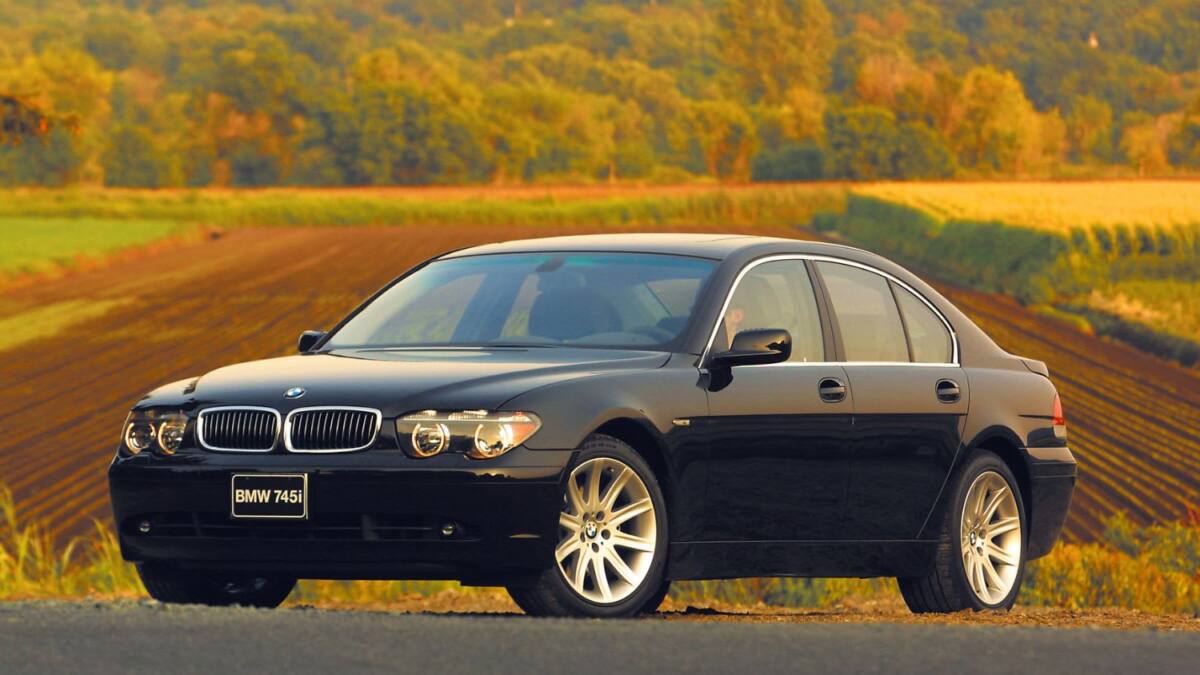
The BMW E65 7 Series has turned 25 years old since its launch in 2001. This model sparked heated debate among enthusiasts and critics with its radical styling and innovative technologies that challenged BMW’s traditionally conservative image. Despite harsh criticism and controversy-ranging from anger to death threats aimed at design chief Chris Bangle-the E65 established a lasting influence on luxury car design and infotainment systems that persists across the automotive industry today.
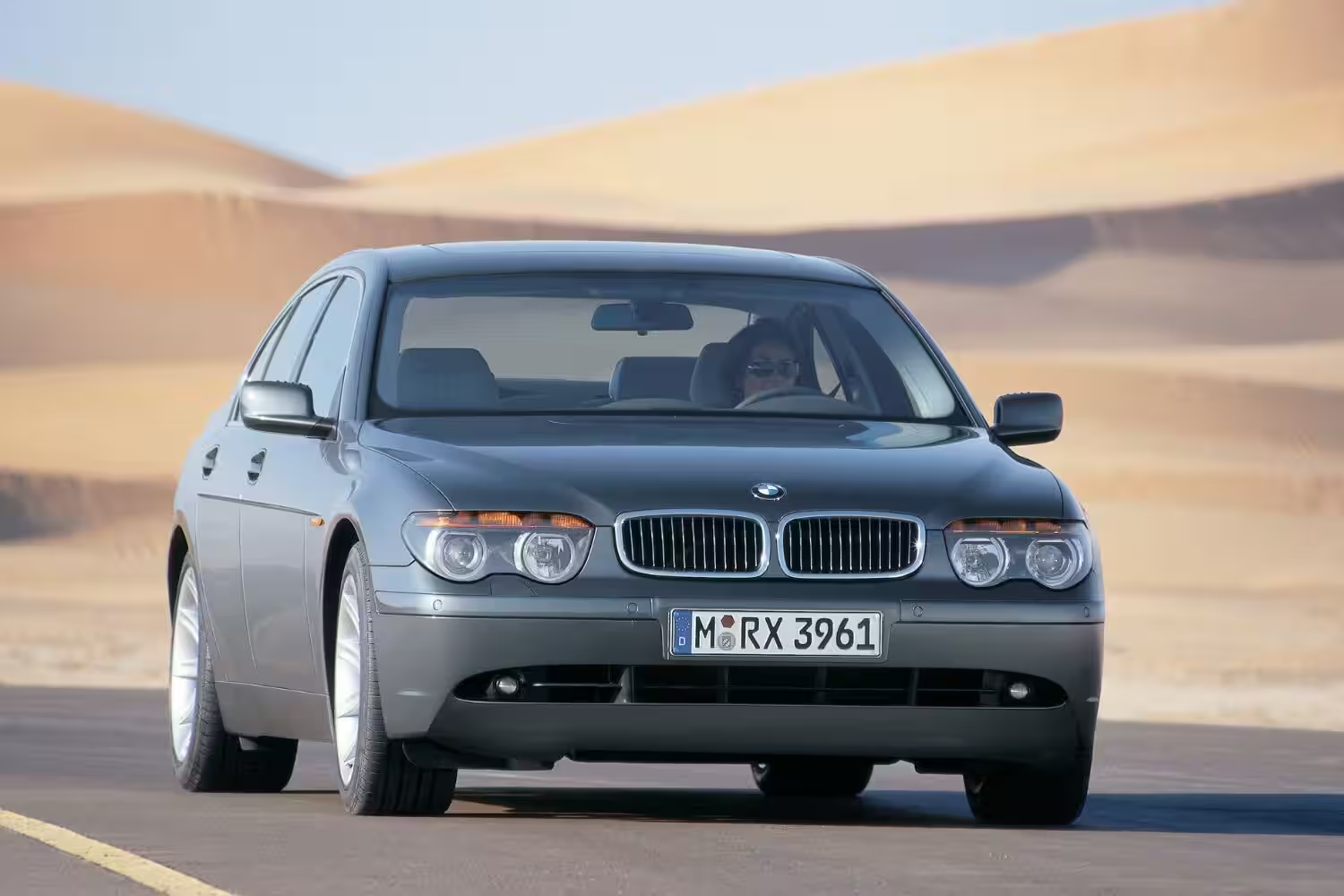
The backlash toward the E65’s design partly stemmed from its sharp departure from the elegant styling of its predecessor, the E38. While much of the criticism was directed at Chris Bangle, the exterior was actually designed by Adrian van Hooydonk. BMW intentionally adopted a revolutionary ”flame surfacing” design philosophy, featuring complex curves and bold shapes that broke from previous conservative norms. The rear end, nicknamed the ”Bangle Butt,” with its layered structure and sharp angles, became the most controversial and recognizable aspect of the car.
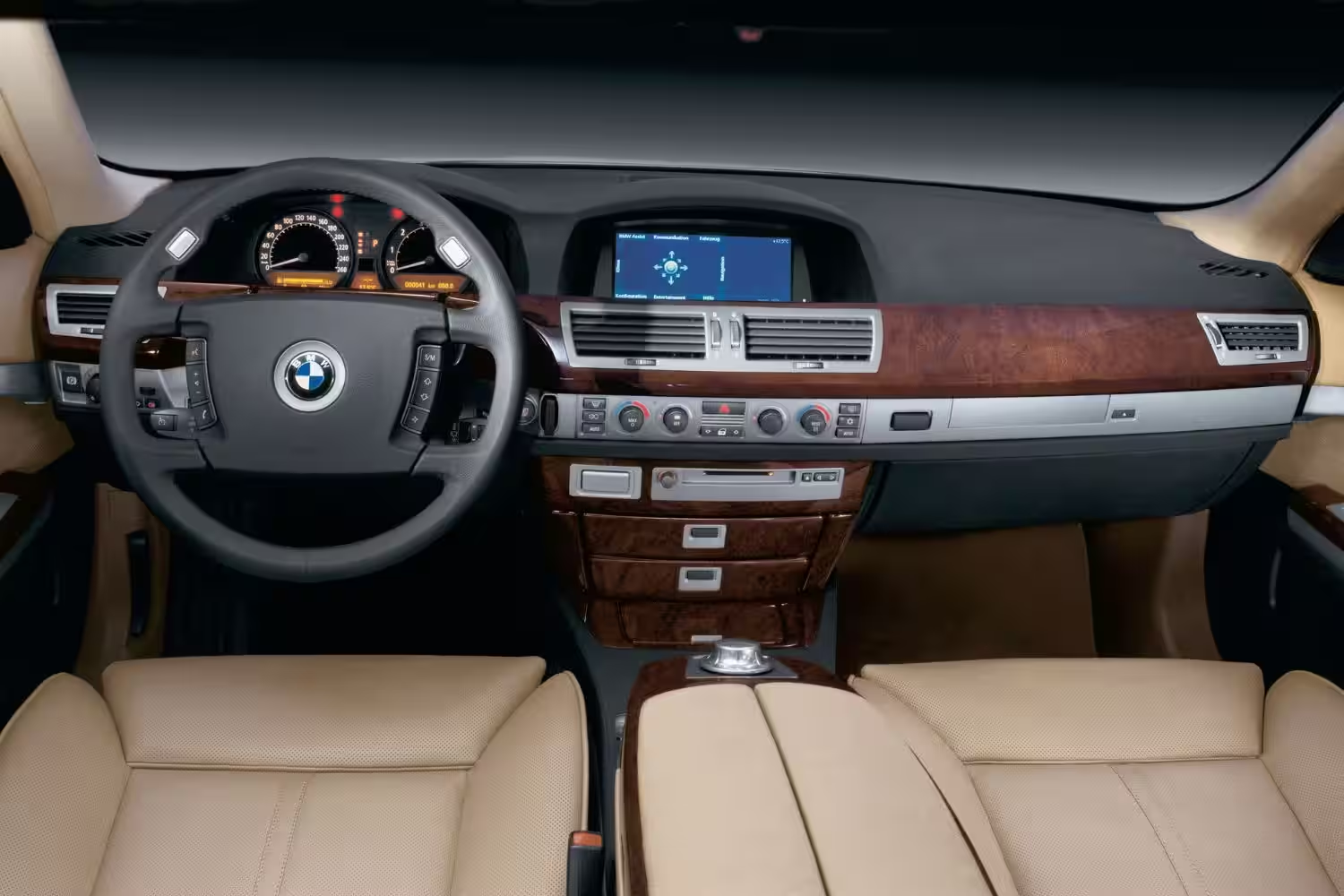
Inside, the E65 revolutionized luxury car interiors by introducing the iDrive infotainment system, the first comprehensive effort to consolidate multiple vehicle controls into a single screen operated via a scroll wheel. Although initially criticized for its steep learning curve and difficult usability, iDrive set a new industry standard for infotainment systems. The E65 also debuted features like an electromechanical gear selector and electronic parking brake, which freed up cabin space and improved ergonomics-features now standard in premium vehicles.
In response to early criticisms, BMW introduced a 2005 facelift, known as the Life Cycle Impulse (LCI). This update simplified the front styling, widened the grille, reshaped bumpers, and redesigned the rear taillights to soften the polarizing ”Bangle Butt.” The iDrive system was also refined with additional physical buttons and an improved interface, addressing usability complaints. These changes boosted sales and helped the E65 gain acceptance as a design milestone.
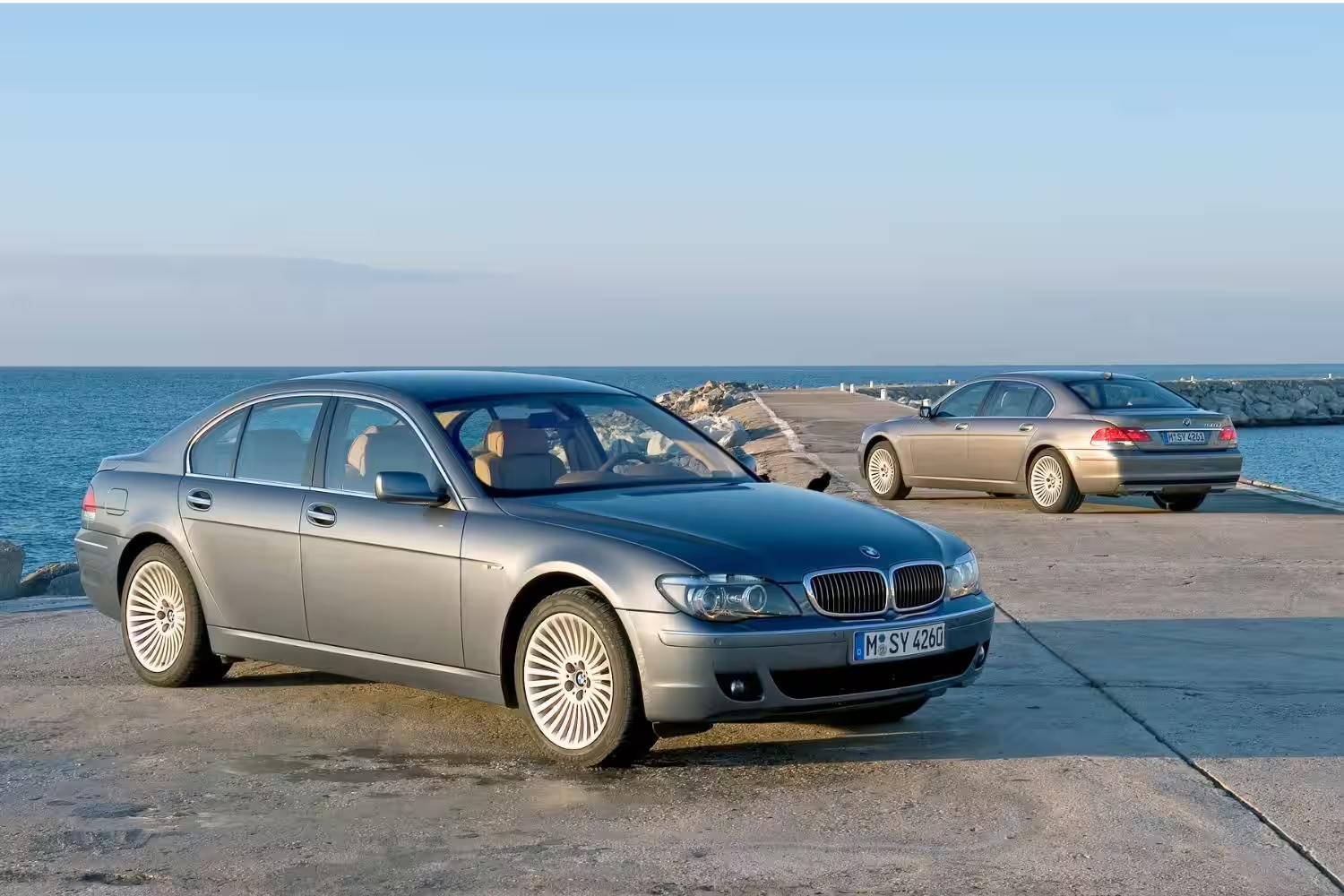
Competitors such as the Audi A8 and Mercedes-Benz S-Class maintained more restrained designs during this period, but they began adopting innovations pioneered by the E65. Audi incorporated bolder grille designs mid-decade, and Mercedes introduced softer versions of the layered rear fascia along with electromechanical gear selectors. Luxury and even mainstream brands like Lexus and Mazda followed BMW’s lead by integrating scroll wheel controls into their infotainment systems, demonstrating the E65’s broad influence on automotive interiors.
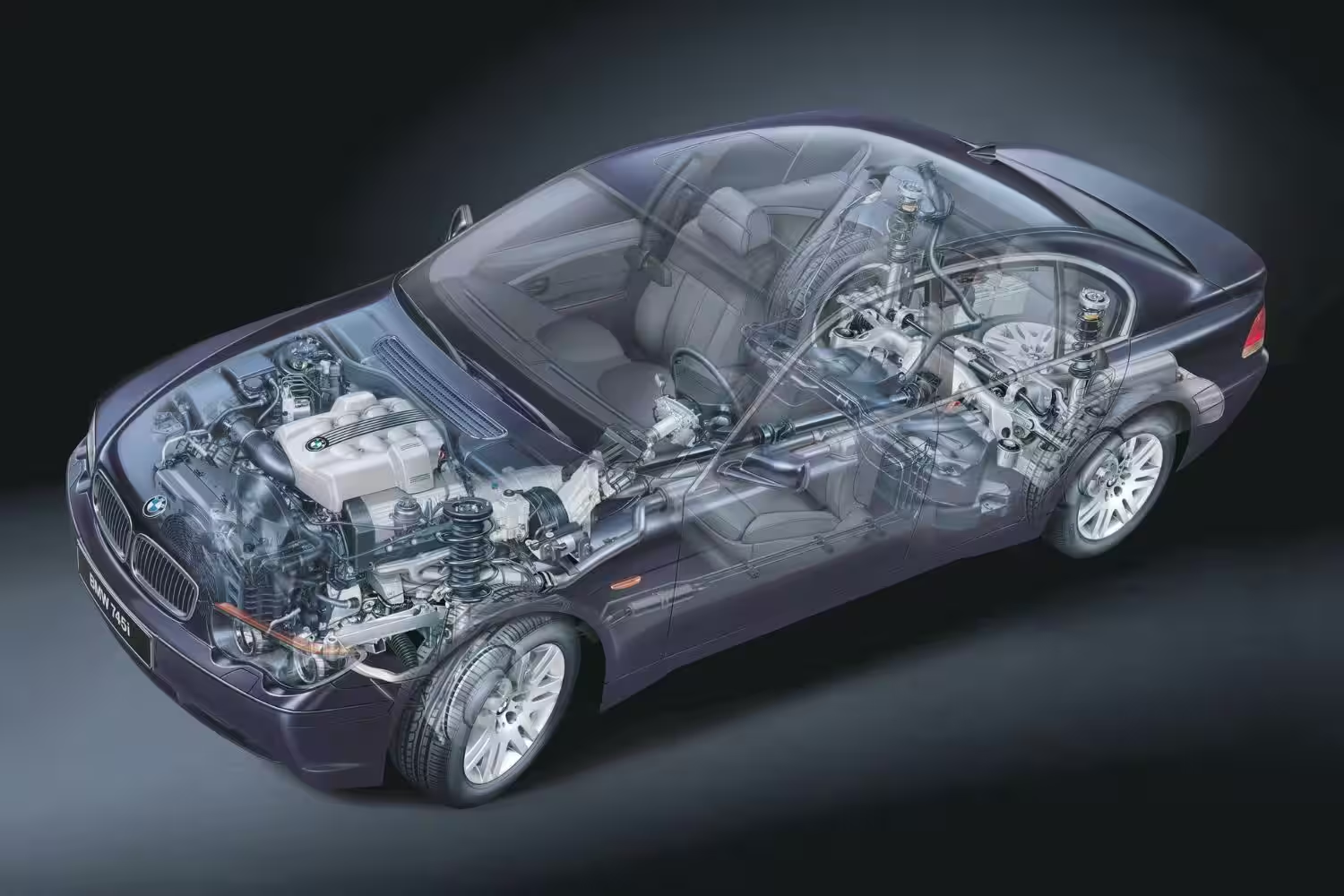
Beyond luxury vehicles, the E65’s ”flame surfacing” design philosophy influenced mainstream automakers in Japan and South Korea to embrace more angular, aggressive styling throughout the late 2000s and 2010s. Cars like the Toyota Camry and Hyundai’s models adopted sharper lines and bolder aesthetics, reflecting a broader stylistic shift inspired by BMW’s daring design approach. Despite its initially polarizing reception, the Bangle-era 7 Series maintains a distinctive blend of boldness and timelessness unmatched by many contemporaries.
As BMW embarks on its Neue Klasse era with a new generation of vehicles, the legacy of the E65’s bold design choices remains evident. The history of daring, divisive designs shaping automotive trends continues. After 25 years, the BMW E65 7 Series stands as one of BMW’s most controversial yet pioneering models.