

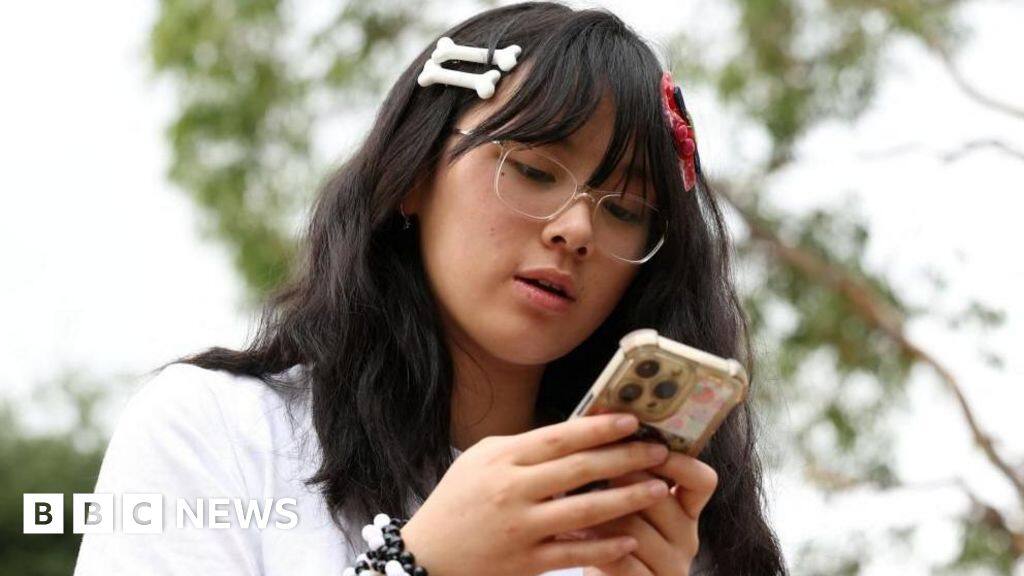
Australia’s internet watchdog has raised alarms about major social media companies failing to fully adhere to the country’s ban on under-16s using certain platforms. Despite legislation that took effect in December 2023 barring children under 16 from accessing apps like Facebook, Instagram, TikTok, Snapchat, and YouTube, the eSafety Commissioner says compliance remains patchy, with ongoing loopholes letting many young users slip through. The government, keen to protect minors from harmful content and addictive algorithms, plans to ramp up enforcement after an early phase focused on monitoring.
The regulatory body’s first report since the law’s inception highlights multiple concerning practices. These include allowing minors who declared themselves under 16 before the cutoff to simply reassess and verify their age repeatedly, weak safeguards against new underage account creations, and inadequate tools for parents to report violations. While platforms like Meta and Snap have locked millions of accounts-Snap claims over 450,000-many under-16 users still retain access, challenging the ban’s effectiveness in practice.
Barriers to age verification and compliance challenges with under-16 ban
Age verification online is inherently tricky, a challenge social media firms openly acknowledge. Meta argues that app store-level age checks combined with parental approvals represent the most reliable method, rather than relying solely on platform-level enforcement. However, the eSafety Commissioner demands more robust systems beyond passive assurance, with clear processes to prevent abuse and demonstrate concrete steps to keep under-16s off restricted platforms.
The ban applies not only to the most prominent networks-Facebook, Instagram, TikTok, Snapchat, and YouTube-but also extends to platforms like Threads, Twitter (now X), Reddit, and live streaming sites such as Kick and Twitch. Observations from Australian schools reveal many minors continue to use these apps undeterred, finding workarounds or facing inconsistent enforcement. Parents generally support the law as a tool to resist children’s persistent demands for social media access.
Critics question enforceability and social impact of under-16 ban
Despite popular backing among parents, the ban has its detractors. Experts in technology and child welfare argue that educating young users about digital risks might be more effective than outright bans. Concerns also arise around exclusion, particularly for vulnerable groups such as rural youth, disabled teens, and LGBTQ+ individuals who often depend on online communities for connection and support.
The eSafety Commissioner acknowledges the difficulty in reversing two decades of ingrained social media habits. However, she emphasizes that platforms have the technical means to comply now and must do so as part of a broader cultural shift. This move aims to prioritize child safety against the powerful commercial interests of Big Tech companies, which are expected to resist measures that could impact their revenue.
With limited data released so far, ongoing monitoring and eventual enforcement action will test whether Australia’s pioneering under-16 social media ban can serve as a model-or cautionary tale-for other nations considering similar restrictions.