

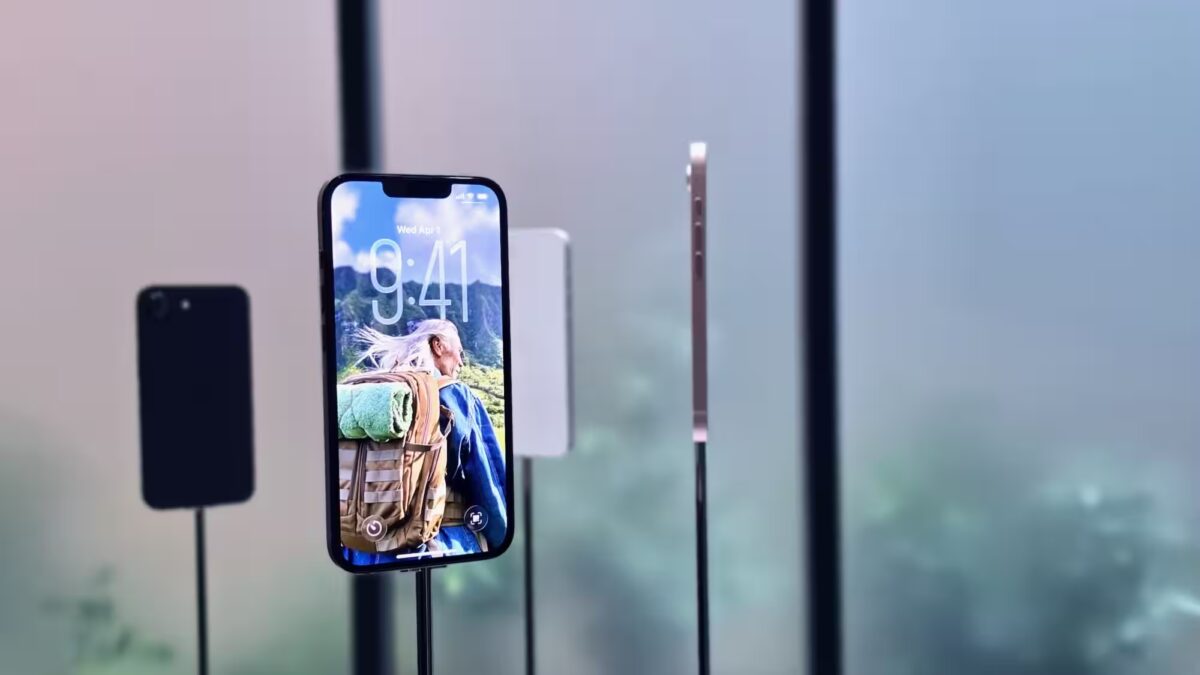
This week, Apple quietly rolled out a slew of new devices-not just one headline grabber. Alongside the iPhone 17e, the company refreshed its MacBook lineup with powerful M5 chips and introduced next-gen Studio Displays equipped with Thunderbolt 5. Skipping flashy keynotes, Apple opted for a series of press releases, steadily expanding its ecosystem with a focus on boosting AI performance, connectivity, and professional-grade displays without the usual fanfare.
The iPhone 17e now sports the A19 chip and a new C1X modem, delivering double the connection speed of its predecessor. Its 6.1-inch Super Retina XDR screen is tougher with Ceramic Shield 2, offering three times better scratch resistance. The camera steps up to a 48MP Fusion sensor that combines wide-angle and telephoto features with 2x optical zoom. MagSafe charging also gets a boost, delivering up to 15W-almost twice what the iPhone 16e supported.
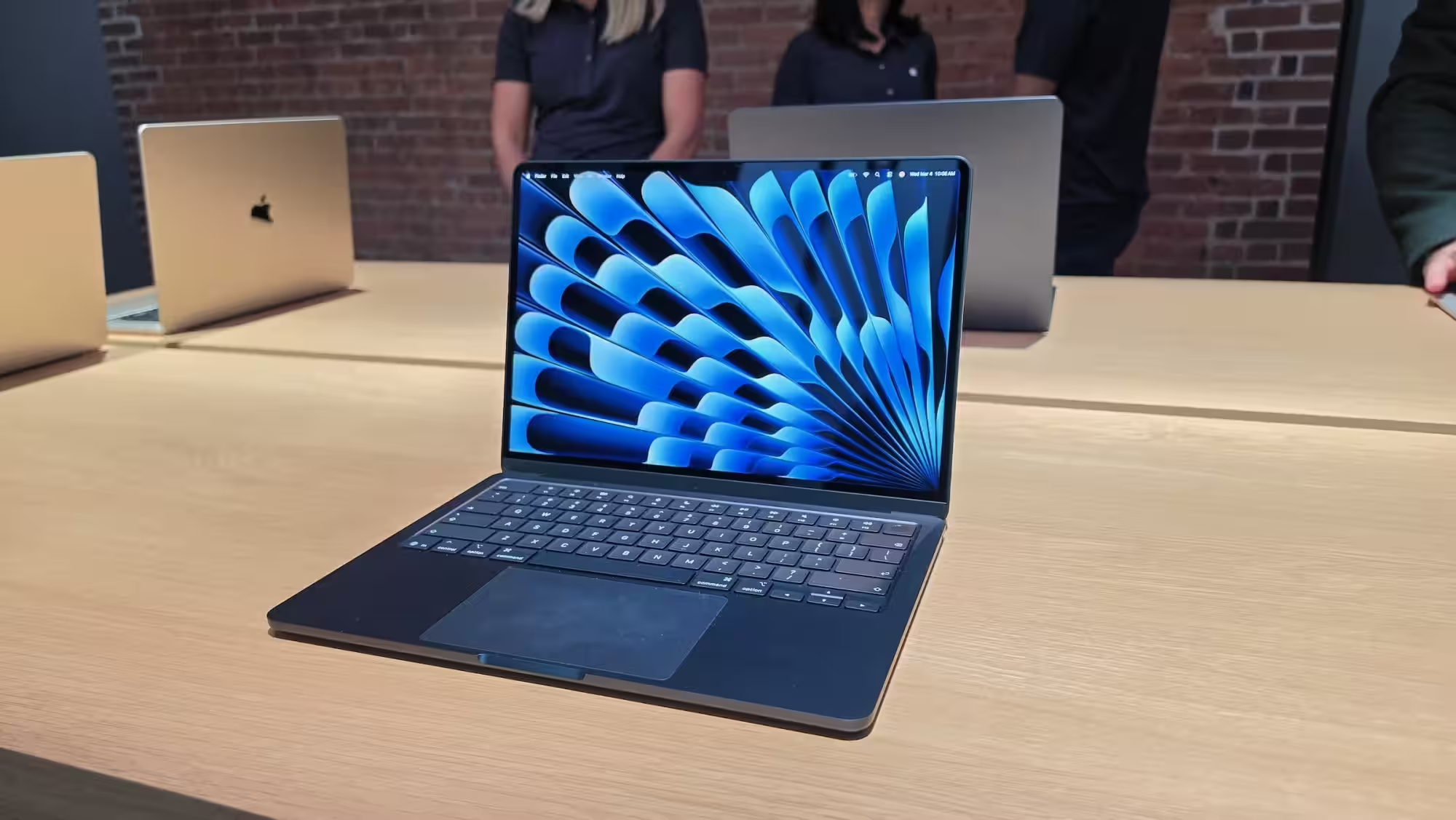
Meanwhile, the MacBook Air gets a serious overhaul with the new M5 chip featuring 10-core CPU and GPU architectures, each core equipped with a built-in neural accelerator. Apple claims AI tasks run up to four times faster than on the M4 Air and nearly ten times speedier compared to the M1. Storage starts at 512GB, expandable up to 4TB, with SSD speeds doubled. The addition of Wi-Fi 7 and Bluetooth 6 via the new N1 chip promises smoother, faster connectivity. The design remains fanless, now available in four color options.
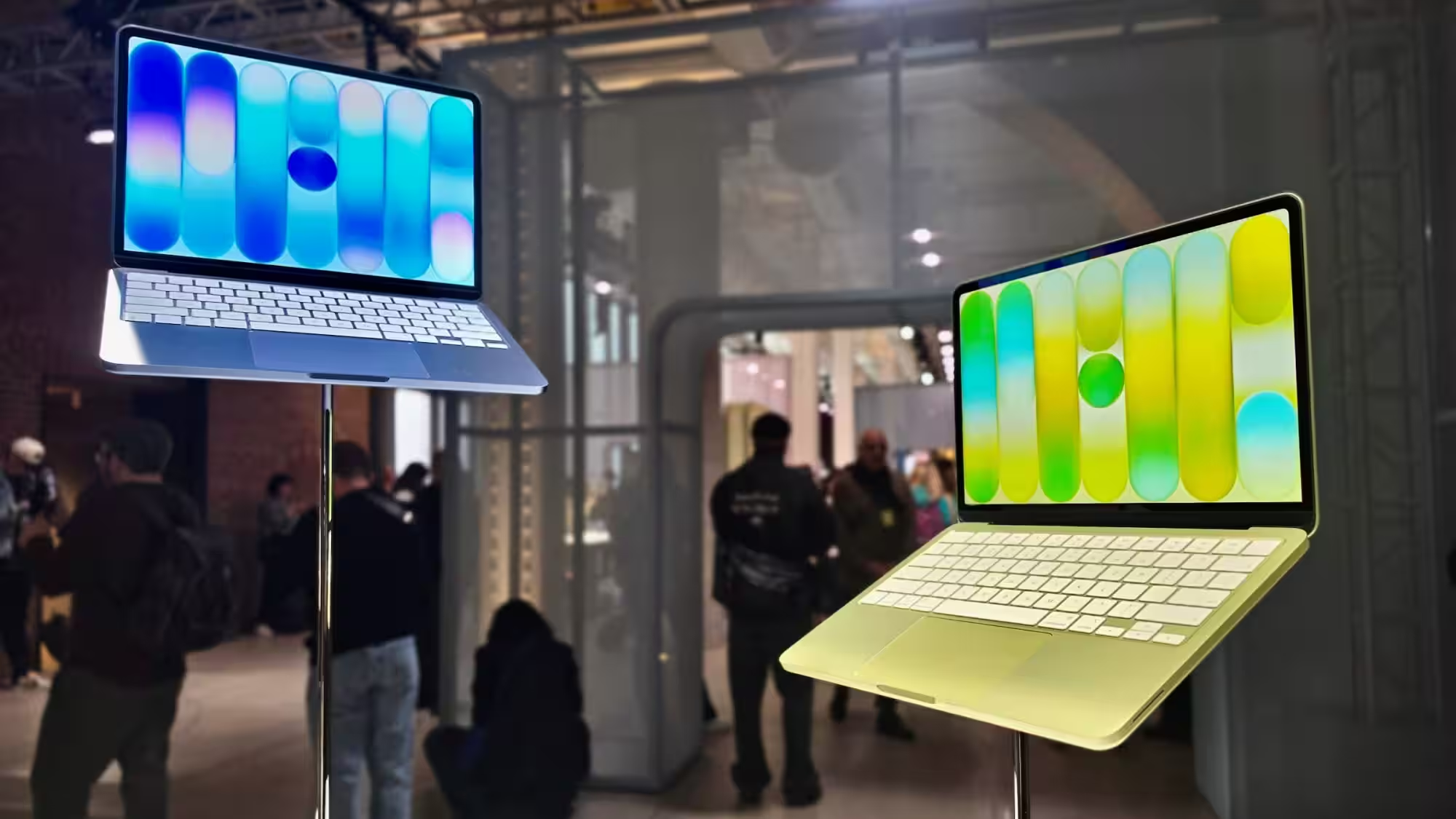
A new entry-level MacBook Neo debuts at just $599, making it the most affordable Mac ever. Powered by the A18 Pro chip (borrowed from the iPhone 16 Pro), 8GB of RAM, and a Liquid Retina display, it’s aimed at basic tasks like web browsing and document editing. However, cost-cutting means no RAM upgrades, optional Touch ID for an extra $100, and a noticeably smaller battery than the Air. Still, this budget Mac should appeal to students and casual users looking for a sleek, accessible device.
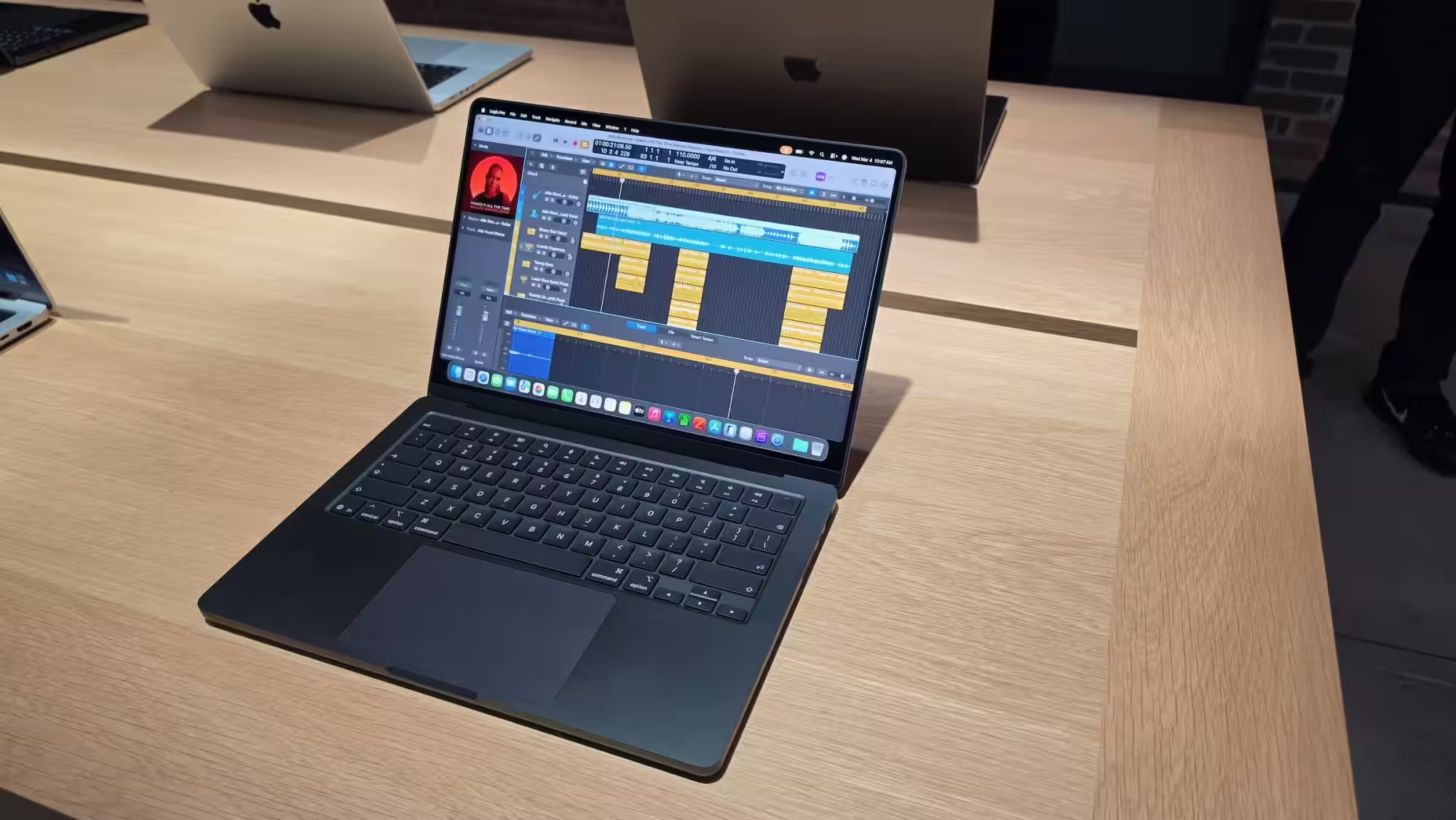
The MacBook Pro shifts to M5 Pro and M5 Max processors using a ”Fusion Architecture” that merges two chips into one. This jump significantly boosts power and AI workloads: Apple says AI tasks are up to four times faster than M4 models and eight times quicker than M1-based machines. Top-tier configs offer up to a 40-core GPU and 128GB of RAM, supporting heavy local work with large language models (LLM). Double-speed SSDs, Wi-Fi 7, Bluetooth 6, and three Thunderbolt 5 ports round out the package. Battery life peaks at 24 hours. Pricing starts at $2,199 for the 14-inch M5 Pro model, topping out at $3,899 for the 16-inch M5 Max.
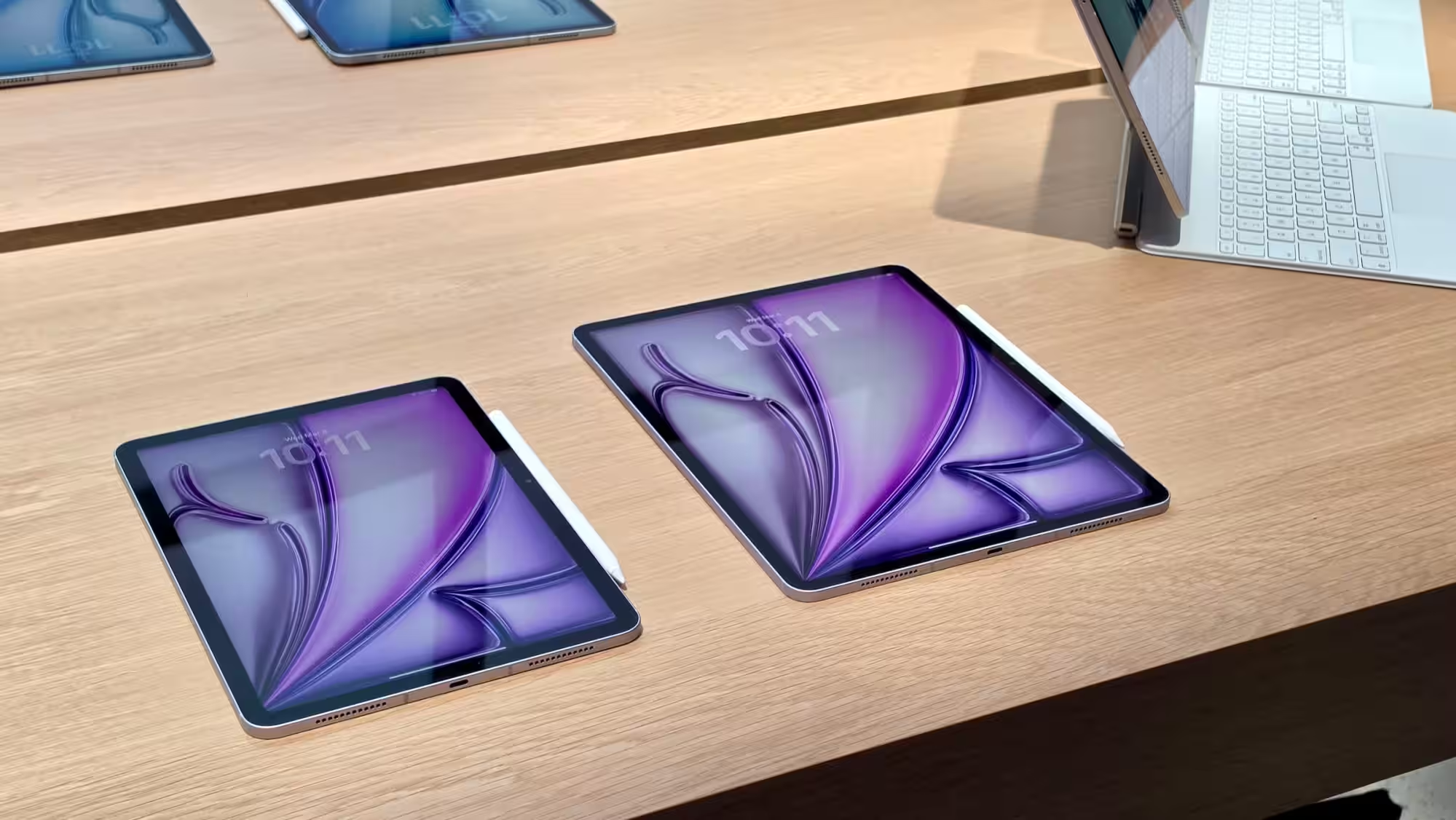
On the tablet front, the iPad Air upgrades to the M4 chip paired with 12GB of RAM-a 50% boost over its predecessor. Performance is 30% higher than the M3 model and more than twice that of M1-based iPads. New to the Air is Wi-Fi 7 support and the power-efficient C1X modem. Prices stay steady at $599 for the 11-inch model and $799 for the 13-inch variant.
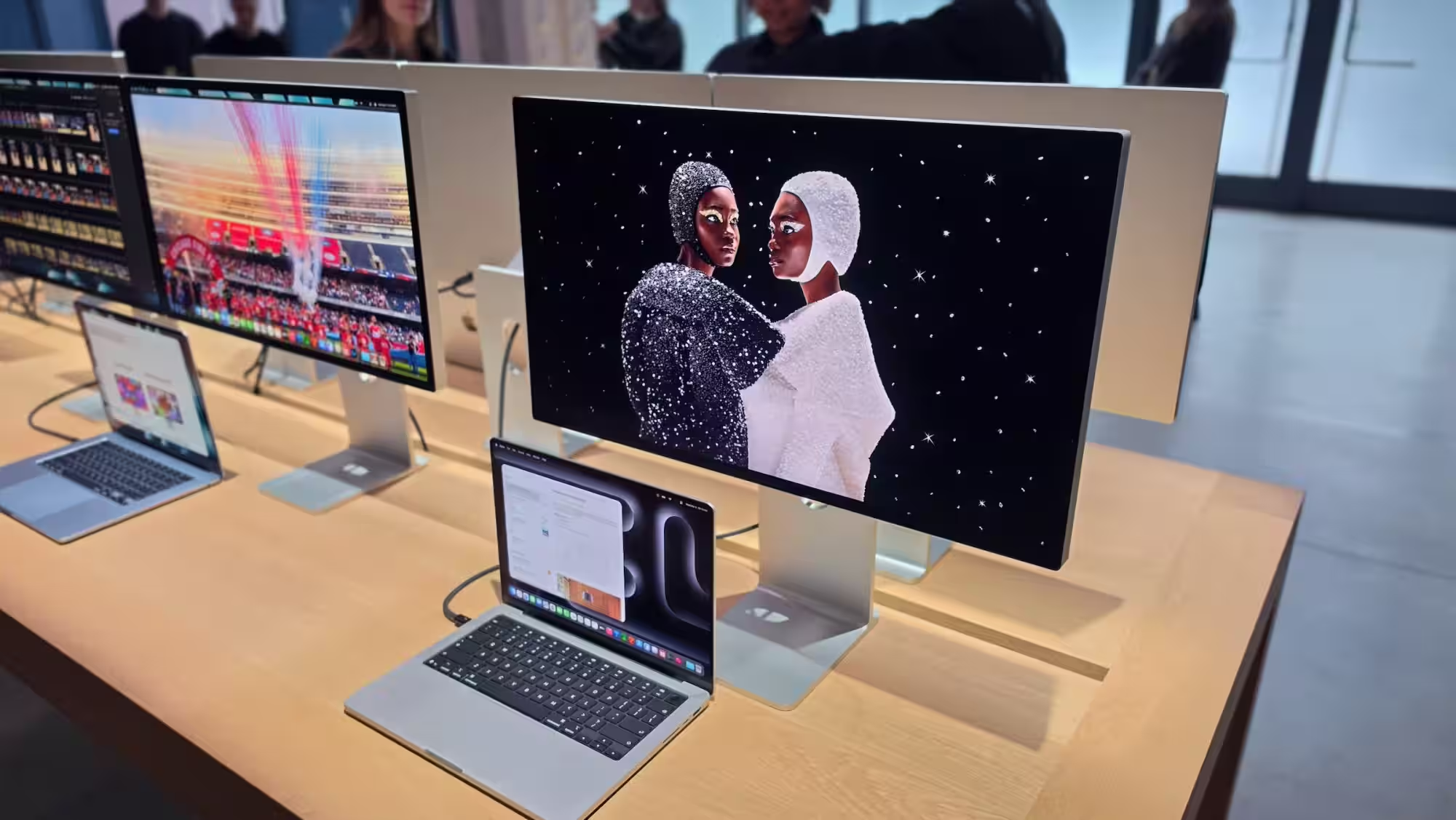
Apple also refreshed its external displays. The 27-inch Studio Display now features Thunderbolt 5, supporting daisy-chaining of up to four displays, plus a 12MP camera with Desk View for wider framing. Though less visible, upgrades include P3 Wide Color support and retention of its sharp 5K resolution at 600 nits brightness.
Studio Display XDR is almost a new beast entirely. It sports mini-LED backlighting with 2,000 local dimming zones, a peak brightness of 2,000 nits, an eye-popping 1,000,000:1 contrast ratio, and up to 120Hz refresh rate with Adaptive Sync. New color standards like Adobe RGB and specialized DICOM presets make it ideal for medical imaging professionals, especially radiologists-the latter requires FDA approval. Remarkably, it’s priced at $3,299, about half the cost of the original Pro Display XDR, and offers adjustable height and tilt for ergonomic comfort.
Pre-orders for all these products kick off on March 4, with sales starting March 11. Despite skipping the usual high-profile event, Apple’s latest moves reflect a clear strategy: accelerating its devices’ AI capabilities, embracing next-gen wireless tech, and making professional displays more accessible. This nuanced product rollout underlines Apple’s intent to strengthen its ecosystem steadily while catering to both casual users and professionals demanding serious performance.
For international tech fans, the iPhone 17e and M5-powered MacBooks highlight how Apple is sharpening its edge in AI and connectivity-fields that will shape the next decade of computing. Russian users, familiar with the typical fanfare of massive launches by local tech brands, might notice Apple’s quieter, more calculated approach. It’s a sign that innovation doesn’t always need to be loud to make an impact-and that the evolution toward more efficient, AI-capable hardware is now a global priority.