

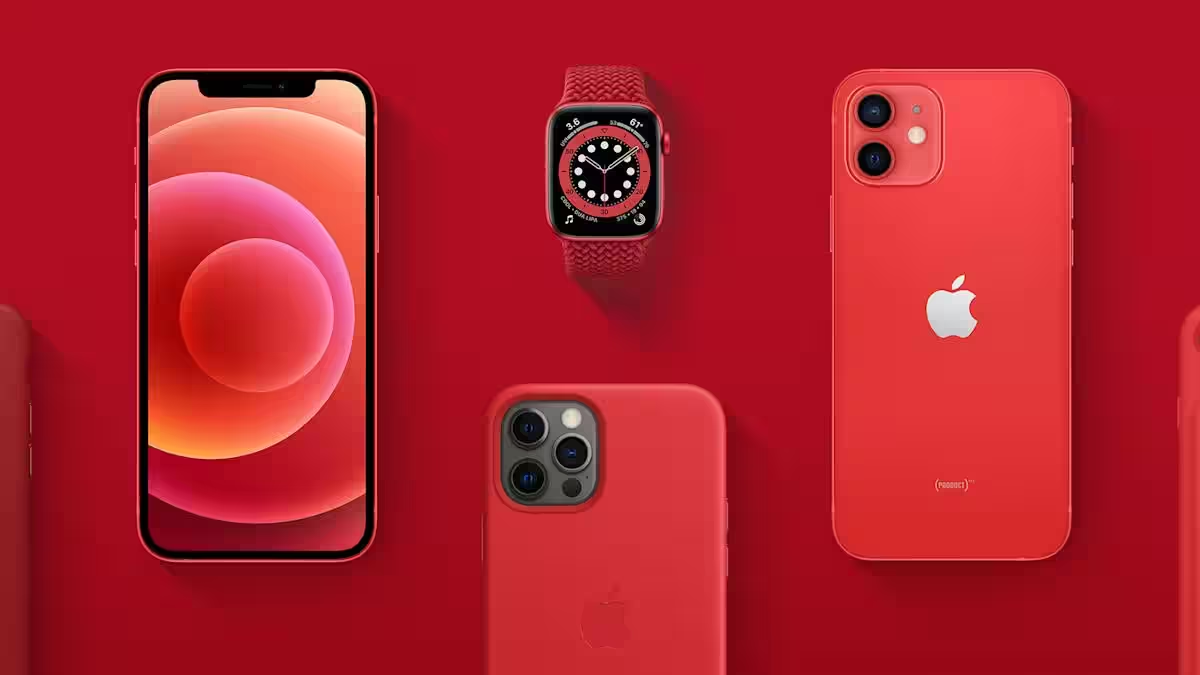
Apple is testing a bold new shade for its Pro iPhones: red. If that sounds like a minor cosmetic tweak, that’s the whole story – and the strategy.
According to Bloomberg’s Mark Gurman, ”red is the new flagship color in testing for the next iPhone Pros.” That report, and the chatter around it, reveals how Apple increasingly uses color as a low-friction way to refresh interest in a product line that has seen relatively modest hardware change in recent cycles.
Why color matters more than you think
When companies run out of big upgrades to advertise, they lean on smaller, repeatable levers: software features, camera tweaks, and yes, colors. For premium buyers who already own a recent Pro model, a new finish can be the emotional push to trade up – especially in markets where visible status markers matter.
That matters most in China. Apple has seen flashy hues boost demand there; an informal nickname for the bright orange back introduced on recent Pro models – ”Hermès orange” among fans – has been linked to improved sales in the region. Cultural associations help: red is widely regarded as lucky in Chinese markets, which makes a red Pro both a fashion statement and a culturally resonant purchase.
A short history of Apple’s color play
Apple has long used color strategically. Product Red editions have appeared on several iPhone models, and lower-cost models have sometimes leaned on playful palettes (remember the plastic, colorful iPhone 5c). More recently, Apple introduced brighter tones on Pro models – a notable departure from the Pro line’s traditionally muted finishes.
There are two lessons from that history. One: color can move units, especially when it taps into status culture. Two: the effect isn’t guaranteed – the market rewards the right balance of novelty and prestige. The iPhone 5c’s bright plastic shells failed to lift Apple’s image, while selective, well-executed color choices on premium hardware have tended to stick.
How competitors and the market respond
Color-driven refreshes are not unique to Apple. Vendors from Google to Samsung routinely use exclusive finishes and seasonal hues to create headlines and limited scarcity. The trick is making a color feel premium, not like an afterthought; that requires materials, finishing, and sometimes exclusive retail timing.
For accessory makers and the resale market, a new flagship color is an easy win: cases, straps, and limited-edition gear follow fast, and certain shades can command premiums on the secondary market. That creates a small ecosystem of profit around a single paint job.
What Apple gains – and what it risks
Benefits are straightforward. A red Pro offers a fresh talking point ahead of a new iPhone cycle, gives Apple a product-level differentiation tactic that costs little compared with engineering a new chipset, and targets markets where red carries extra cachet.
Risk comes in two flavors. First, execution – premium finishes can complicate manufacturing and slow supply if the process is novel or yields are low. Second, signal fatigue – if every new model ships with a ”hero” color, the novelty dulls and buyers start to treat color as predictable rather than special.
My take
This is a smart, low-risk move if Apple does it judiciously: make the red limited to Pro models or specific markets, lean on premium finishing, and let the color sit alongside traditional tones rather than replace them. Used sparingly, color can be a revenue lever and a cultural signal; used too liberally, it becomes wallpaper.
Expect Apple to use this option tactically – perhaps as a seasonal or regionally promoted finish – rather than as a permanent repositioning of the Pro line. It won’t fix deeper growth challenges, but it’s a reliable nudge to buyers who care as much about what their phone says about them as what it does.
Whether red arrives in stores depends on testing, supply, and timing. But the bigger story isn’t that Apple might sell red iPhones again. It’s that color has become one of the few simple, repeatable levers left to make premium phones feel new.