

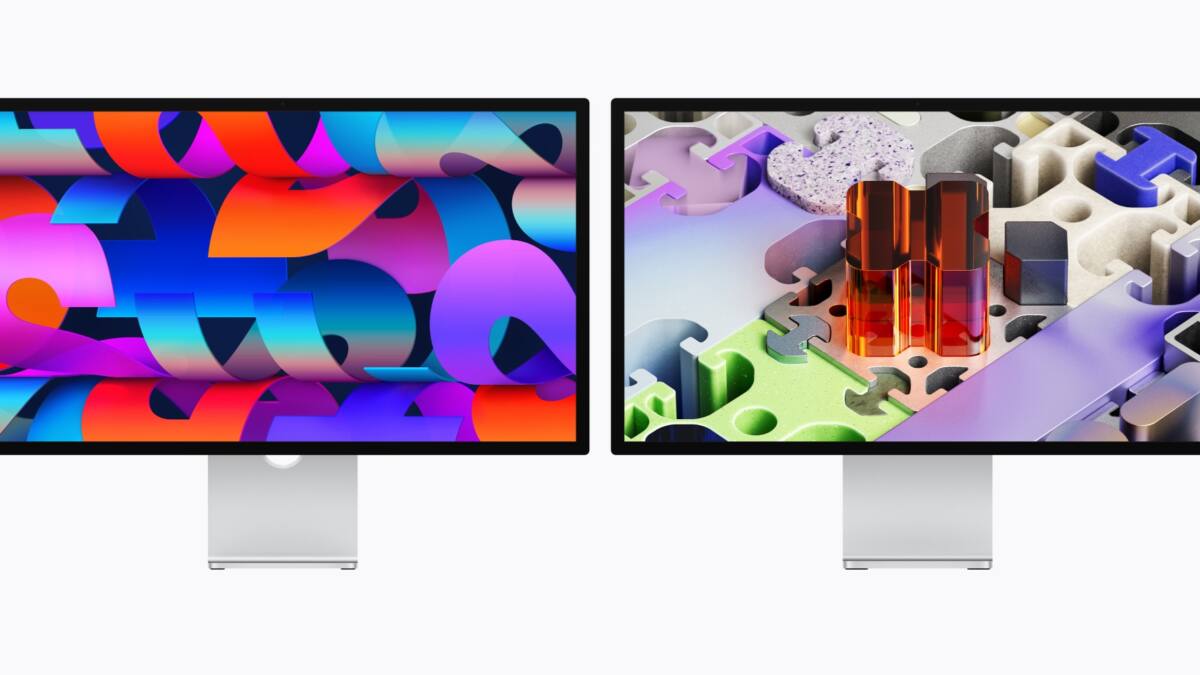
Apple’s latest Studio Display models reveal a new layer of complexity: the standard Studio Display and the Studio Display XDR are powered by two different versions of the A19 chip, marking a notable divergence within what might have seemed like a uniform product family. This subtle hardware split adds to the existing differences between the more affordable Studio Display and the premium Studio Display XDR, introduced alongside support for Thunderbolt 5 and improved audio-visual components.
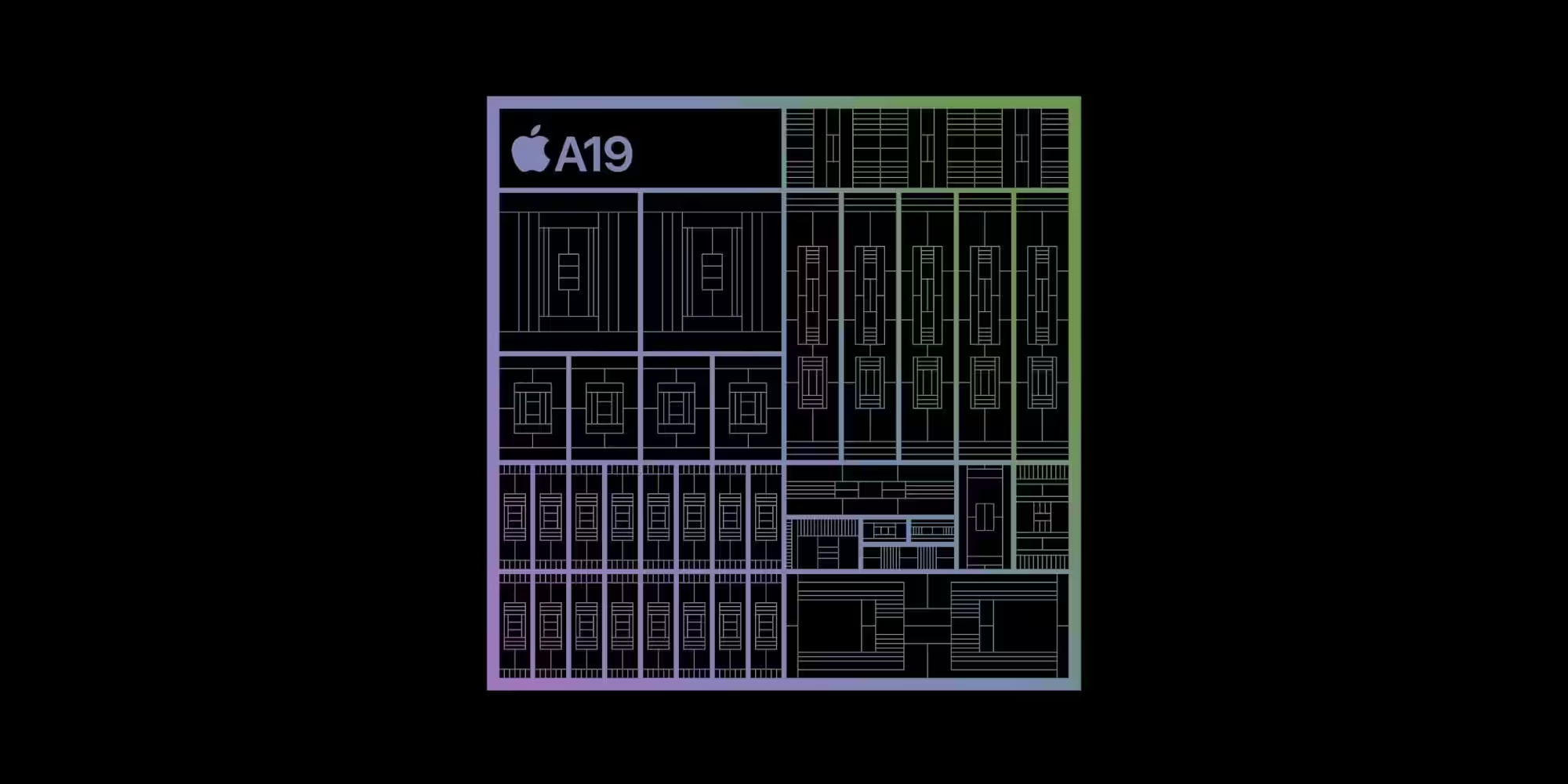
Firmware analysis indicates that the standard Studio Display houses the basic A19 chip, identical to what debuted in the iPhone 17. In contrast, the Studio Display XDR is equipped with an upgraded A19 Pro variant. This distinction isn’t just marketing spin-the Pro version likely delivers enhanced processing capabilities, particularly important for handling the XDR model’s demanding mini-LED backlighting and associated display technologies.
Why choose different chips for seemingly similar displays?
The upgrade from the A13 Bionic found in the 2022 Studio Display model to the A19 series is significant, but the presence of two chip variants across this year’s models raises questions. While the new Studio Display enhances its connectivity with Thunderbolt 5 and upgrades in camera, mic, and speakers, these improvements arguably don’t justify a powerful A19 chip on their own. The necessity of the Pro variant in the XDR model likely stems from its advanced mini-LED technology, which demands more sophisticated control and processing power.
This chip differentiation is reminiscent of Apple’s ongoing strategy to tailor silicon to specific use cases, aligning performance with hardware demands rather than adopting a one-size-fits-all approach. It also signals that Apple sees distinct roles for the Studio Display models-one catering more to general high-end users, while the XDR targets professionals requiring peak performance and display quality.
What this means for users and the display market
For buyers, understanding which chip powers which model could influence purchasing decisions, especially in a market where price differences are considerable and display performance matters for creative work. While Apple hasn’t fully detailed the advantages unlocked by the A19 Pro chip, users can anticipate better handling of complex visuals and possibly smoother integration with future Apple silicon Macs.
The move also highlights Apple’s commitment to integrating custom silicon deep into its peripherals, a departure from relying solely on off-the-shelf components. This could hint at more tightly integrated ecosystems but also raises the bar for repairability and third-party upgrades.
Both the new Studio Display and Studio Display XDR are now available for pre-order, with orders shipping as soon as mid-March. As Apple pushes further into the all-in-one hardware-software synergy, keeping an eye on these chip-level changes will help decode their broader ambitions and how they might redefine desktop display expectations.