

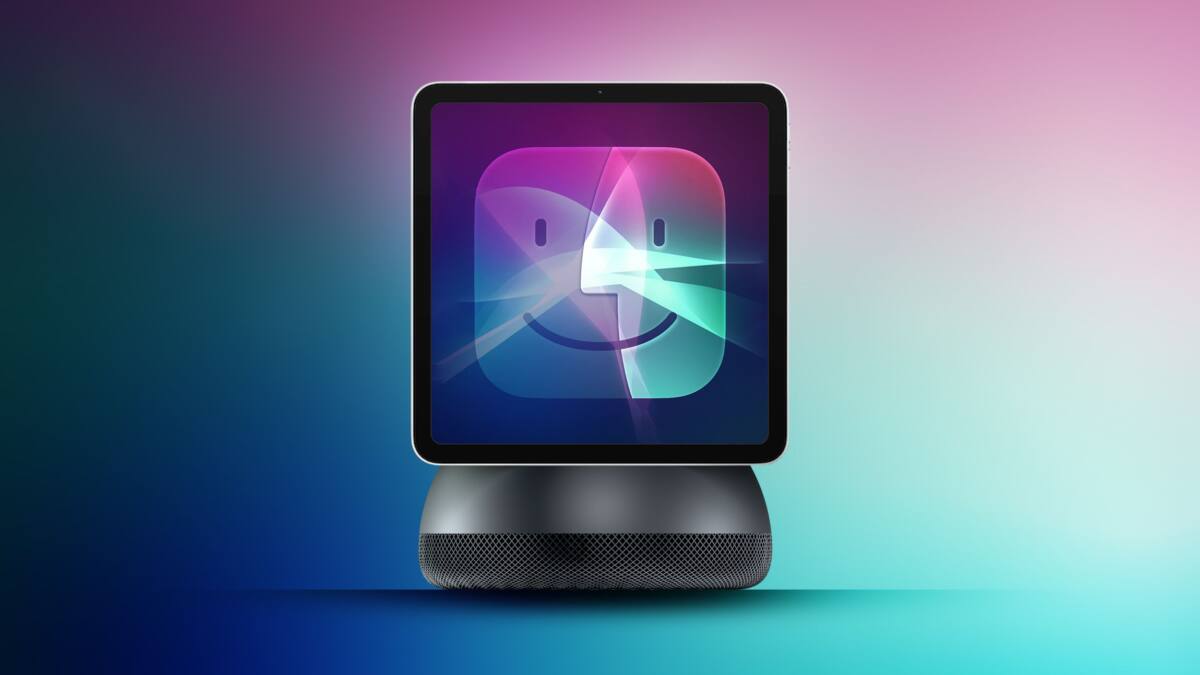
Apple’s much-anticipated smart home hub won’t arrive until September 2026, pushed back again because the new Siri is still struggling to meet expectations. Originally slated for spring 2025, the device’s launch has been repeatedly postponed as Apple tries to perfect the AI-driven assistant that powers it. The home hub depends heavily on the revamped Siri experience, which is behind schedule and not yet ready for public release.
Apple initially planned to tie the home hub’s debut to iOS 26.4, which would introduce the updated Siri with smarter AI capabilities. However, the absence of the new Siri in the iOS 26.4 beta reveals ongoing hurdles: the assistant’s accuracy is still lacking, and its key features are not reliable enough for release. As a result, the launch now aligns with iOS 27’s expected rollout in September, indicating Apple has postponed all major Siri improvements to that software update.
The home hub itself is reportedly ready, featuring a design reminiscent of a large iPad with a 7-inch square display. It can be mounted on a wall or paired with a speaker base and incorporates a camera for facial recognition. This allows it to recognize individuals walking up and tailor its content accordingly-a step up from typical smart displays. Running a specialized version of tvOS 27 and sporting Apple Watch-style round app icons, it’s positioned as an AI centerpiece for smart home control, calls, and app access.
While not containing an App Store, the hub supports Apple’s own apps and aims to compete with devices like Amazon’s Echo Show by emphasizing intelligent voice interactions powered by a smarter Siri. Apple previewed the new Siri features in mid-2024, promising personalized responses, multi-app integration, and even image generation through an ”Image Playground.” The plan was to eventually evolve Siri into a chatbot-like assistant similar to ChatGPT with the iOS 27 update, but all this now seems bundled, waiting on the September launch.
Apple faces a tricky balancing act. The delay highlights how challenging it remains to reinvent Siri into a truly reliable, AI-powered assistant amid fierce competition. Google Assistant and Amazon Alexa long ago integrated conversational AI features and continue enhancing their ecosystems, leaving Apple feeling the pressure to get it right without rushing. From a user perspective, Siri’s perceived shortcomings-spotty accuracy, limited third-party app handling-have dulled enthusiasm, making the ambitious home hub less immediately compelling.
This isn’t Apple’s first struggle with smart home ambitions. Previous attempts to create a seamless home hub experience often ran up against technical or timing issues, and the smart speaker sector remains dominated by Amazon and Google. The hub’s fresh AI focus and integration with Apple hardware could carve out a niche, but slipping deadlines risk missing key market opportunities, especially as rival platforms advance rapidly.
Looking ahead, Apple’s approach shows its determination to integrate AI deeply with its ecosystem rather than just hitching to open platforms. But the cost is delay and uncertainty around when and how much Siri will catch up to, or surpass, its competitors. The company has promised new smart assistant features by the end of 2026; a September launch still meets that promise but leaves little margin for further setbacks.