

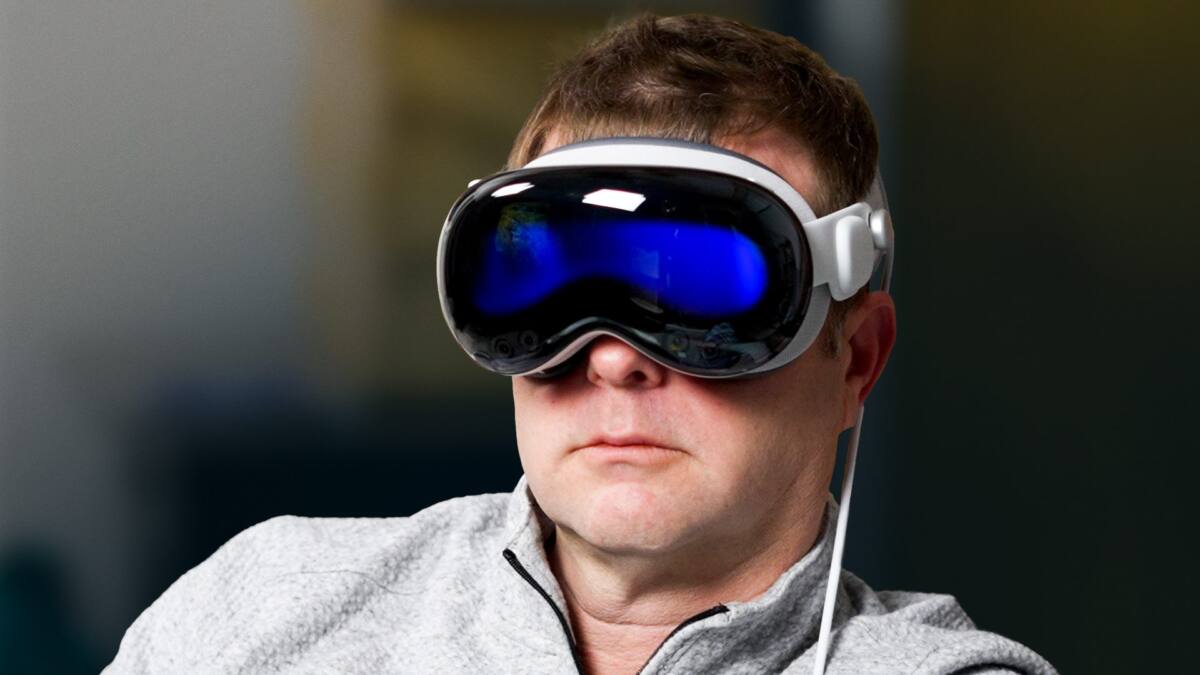
Apple smart glasses are heading in an oddly Apple-sized direction: no Ray-Ban, no Oakley, no borrowed fashion halo. Instead of letting a heritage eyewear brand do the credibility work, the company is reportedly building its own identity and, if it lands the execution, making the frames instantly recognizable on sight.
That sounds risky because it is. Meta leaned on Ray-Ban and Oakley for a reason: glasses are wearable tech first, gadget second, and people still care whether they’d actually wear them past the front door. Apple seems to think its own design language can do the heavy lifting, which is the sort of confidence you get when you’ve already turned earbuds into jewelry and watches into status objects.
Apple smart glasses are meant for everyday use
The bigger shift is that Apple has backed away from the grand AR fantasy that once defined its head-worn ambitions. The company’s original roadmap apparently included more ambitious devices, but the only product to make it to market so far is Apple Vision Pro. What’s next sounds far less sci-fi: display-free Apple smart glasses that rely on cameras, audio, and the iPhone rather than a floating layer of graphics glued to your face.
That is a more believable product category, frankly. Full AR glasses are still struggling with battery life, weight, and the small issue of not making users look like they borrowed a prototype from a lab. Apple’s first move appears to be a practical one: glasses that see what you see and use Siri to turn that into useful action, not spectacle.
Apple is betting on Siri, not a logo
None of this works unless Apple gets Siri into better shape, and that is the real hinge in the story. The pitch is simple enough: the glasses should understand context, respond to what you are looking at, and surface relevant information without turning every interaction into a command prompt. That is ambitious, but it is also exactly the kind of AI assistant use case consumers might tolerate in public.
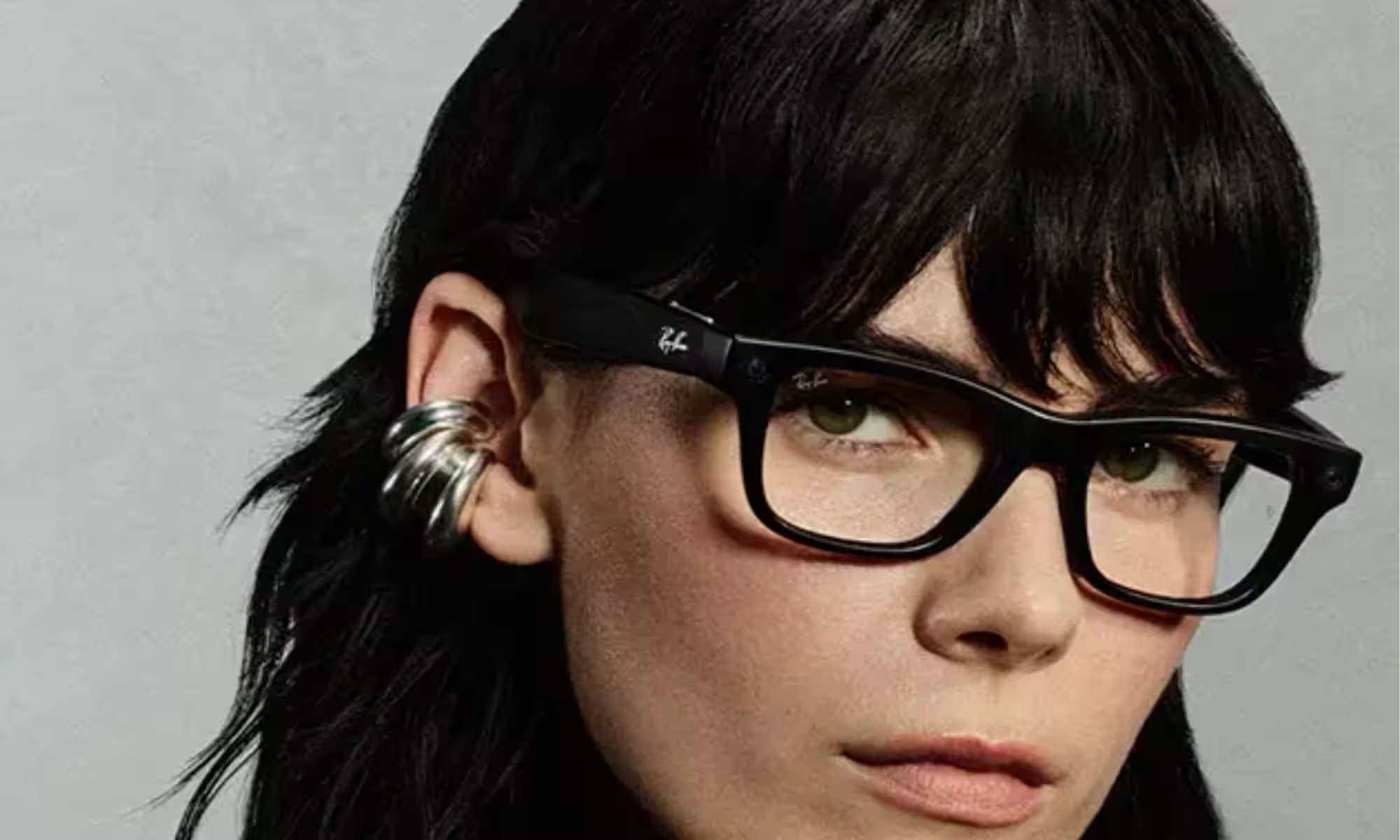
Multiple frame styles could be Apple’s smartest move
Apple is also reportedly experimenting with several frame shapes for its first AI glasses, including chunky rectangular frames, a slimmer rectangular option, and rounded styles in both oversized and more refined versions. That is less vanity than common sense. Eyewear is brutally personal, and a frame that works on one person can look ridiculous on another.
Here’s the logic in plain terms:
- Chunky rectangular frames lean more obviously into sunglasses territory.
- Slim rectangular frames aim for a more understated, office-friendly look.
- Rounded frames broaden the appeal across more face shapes and style preferences.
That kind of variety also hints at Apple’s real goal: not to make smart glasses look like a niche gadget, but to make them feel like a normal product category that happens to be intelligent. Meta has spent years trying to prove people will wear camera glasses at all; Apple is trying to skip ahead to the part where they look inevitable.
If that works, the interesting question is not whether Apple borrowed a fashion label. It is whether the company can do what it usually does best: make the market care about the thing it did not ask for yet. The first clue will be whether people buy the glasses for the AI, the design, or just because they look like Apple made them. My money is on all three, which is exactly the problem for everyone else.