

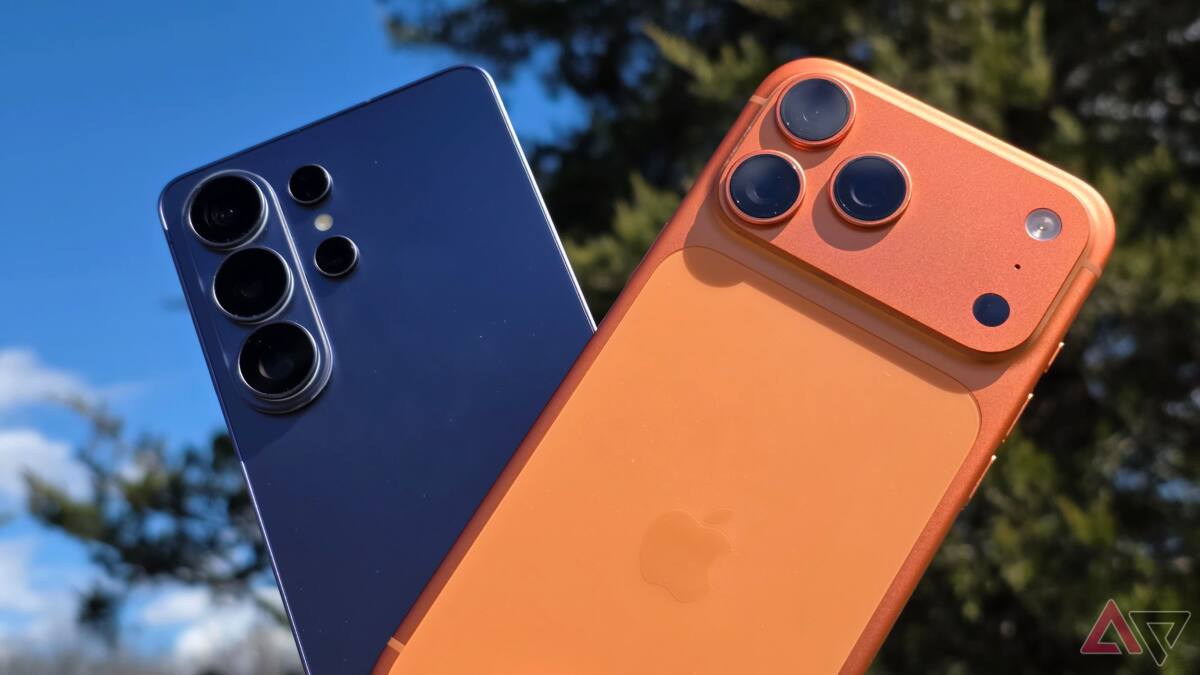
Apple is asking Samsung for help in its iPhone monopoly defense. The company wants evidence from its fiercest smartphone rival to show that switching away from iPhone is easy, that the handset market is still competitive, and that its own policies have not boxed consumers into a monopoly.
The move comes as Apple faces a US Department of Justice lawsuit and a group of states that filed suit in March 2024, accusing Apple of using iPhone features, App Store rules, and limits on third-party apps to lock people in.
Apple wants Samsung records on switching habits
Apple’s latest move is not a plea for cooperation so much as a legal demand. It says Samsung holds documents that can help show how often people move between iPhone and Galaxy phones, and how competitive the broader smartphone and smartwatch business really is.
The company first tried to get the material from Samsung US, according to the filing, but that effort was rebuffed on the grounds that the relevant information sits with Samsung Korea. So Apple has gone one level higher and is now asking Korean-based Samsung entities to hand it over instead.
Apple is leaning on the Hague Evidence Convention, the cross-border process that lets US courts seek evidence from foreign entities. That does not make the road smooth. Even if a US court signs off, Korean courts would still have to approve before Samsung is forced to produce anything.
Why Apple is betting on Samsung’s data
This is not just about one dispute; it is about the shape of the smartphone market itself. Apple needs to show that consumers are not trapped in iPhone land, because a monopoly case gets a lot harder to sell if people regularly jump to Android and back. Regulators have heard that argument before, and they usually want receipts rather than slogans.
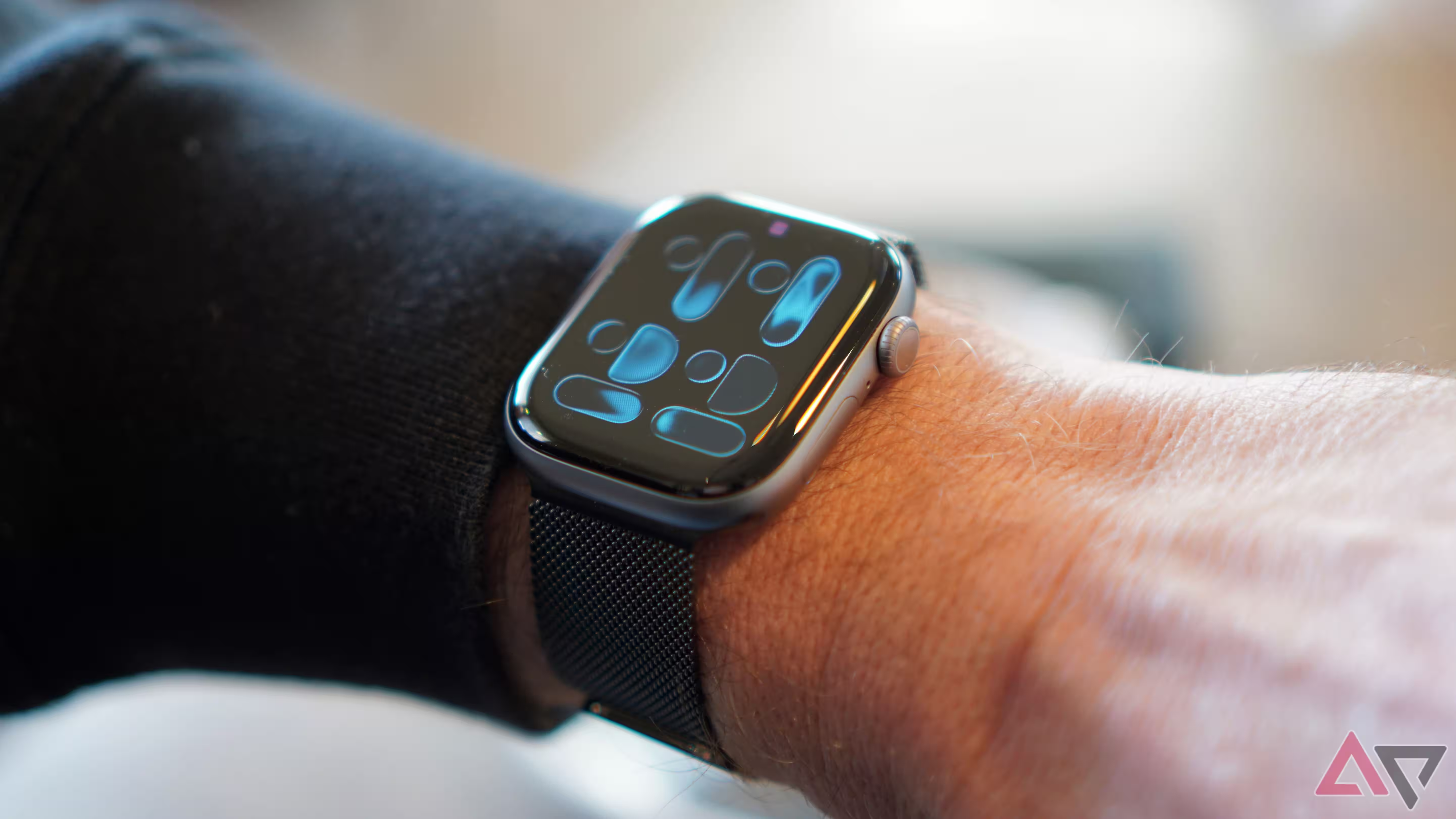
Apple’s argument also reflects a familiar playbook in tech antitrust cases: point to the rival ecosystem and say, ”Look, users have choices.” That line has some force in a market where Samsung, Google, and others still compete aggressively on hardware, software features, and wearables. But competition at the top end does not automatically answer whether Apple’s own platform rules make switching unusually painful.
There is also a procedural catch. Courts have previously pushed back on foreign evidence requests that were too broad, and Apple’s request will likely need to be specific enough to avoid the same fate. That is a reminder that discovery in big tech cases can become its own little drama, with lawyers fighting over paper trails while the main case barely moves.
A long discovery fight, not a quick win
Apple’s motion to dismiss was already denied, which means the case is now in the discovery phase, where both sides trade documents and build their arguments. That usually means months of paperwork, objections, and delays – the sort of process that makes everyone involved sound very busy while the calendar does the real work.
For Apple, the gamble is obvious: if it can show that iPhone users move to Android more freely than regulators claim, its monopoly defense gets sharper. If not, the Samsung request becomes another expensive detour in a case that is already set up to drag on.
The bigger question is whether cross-border evidence can actually help Apple prove a negative. Samsung may have useful data, but legal teams love narrowing requests for a reason: once the courts start arguing over scope, even the most ambitious antitrust defense can end up stuck in procedural mud.