

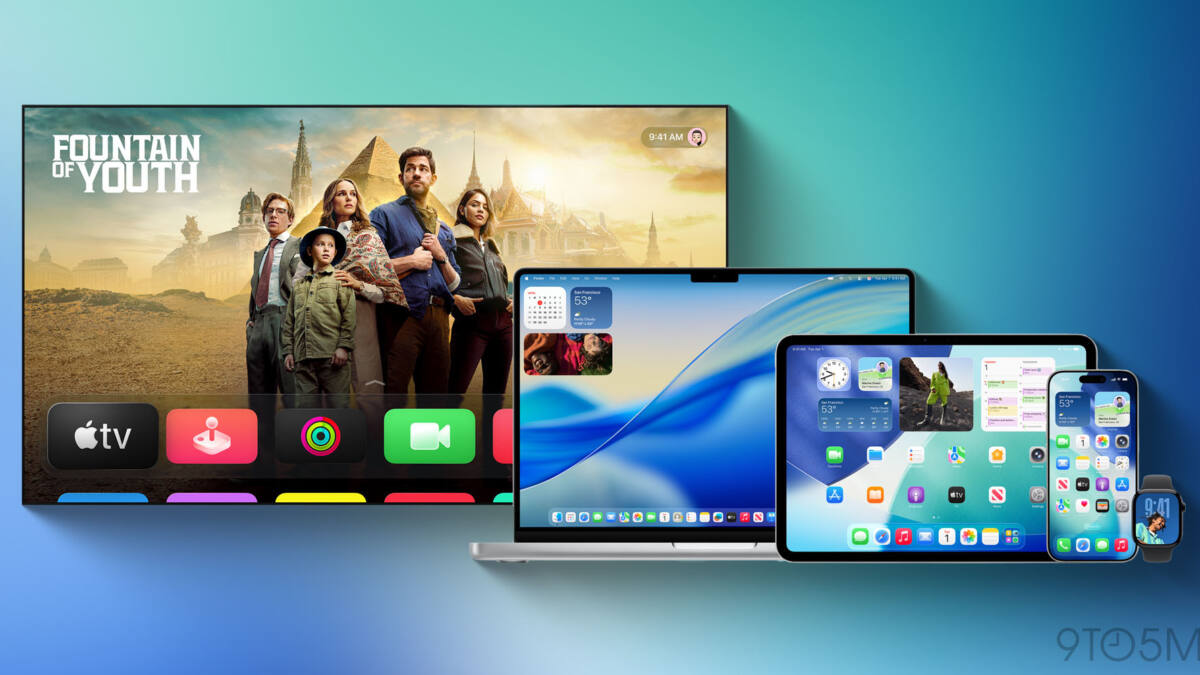
Apple is sweeping its product lineup this week, discontinuing seven devices as it rolls out fresh models. This includes notable iPhone, iPad, MacBook, and display updates, signaling how Apple is repositioning its range for the year ahead. Another iPad discontinuation is expected soon, underscoring Apple’s embrace of AI-driven hardware.
New Apple introductions often come paired with the retirement of older devices, and this week is no exception. Over the last few days, Apple unveiled six new products but simultaneously pulled seven from its official store and support lists.
Which Apple products are gone and what replaced them?
The discontinued lineup cuts across several core categories:
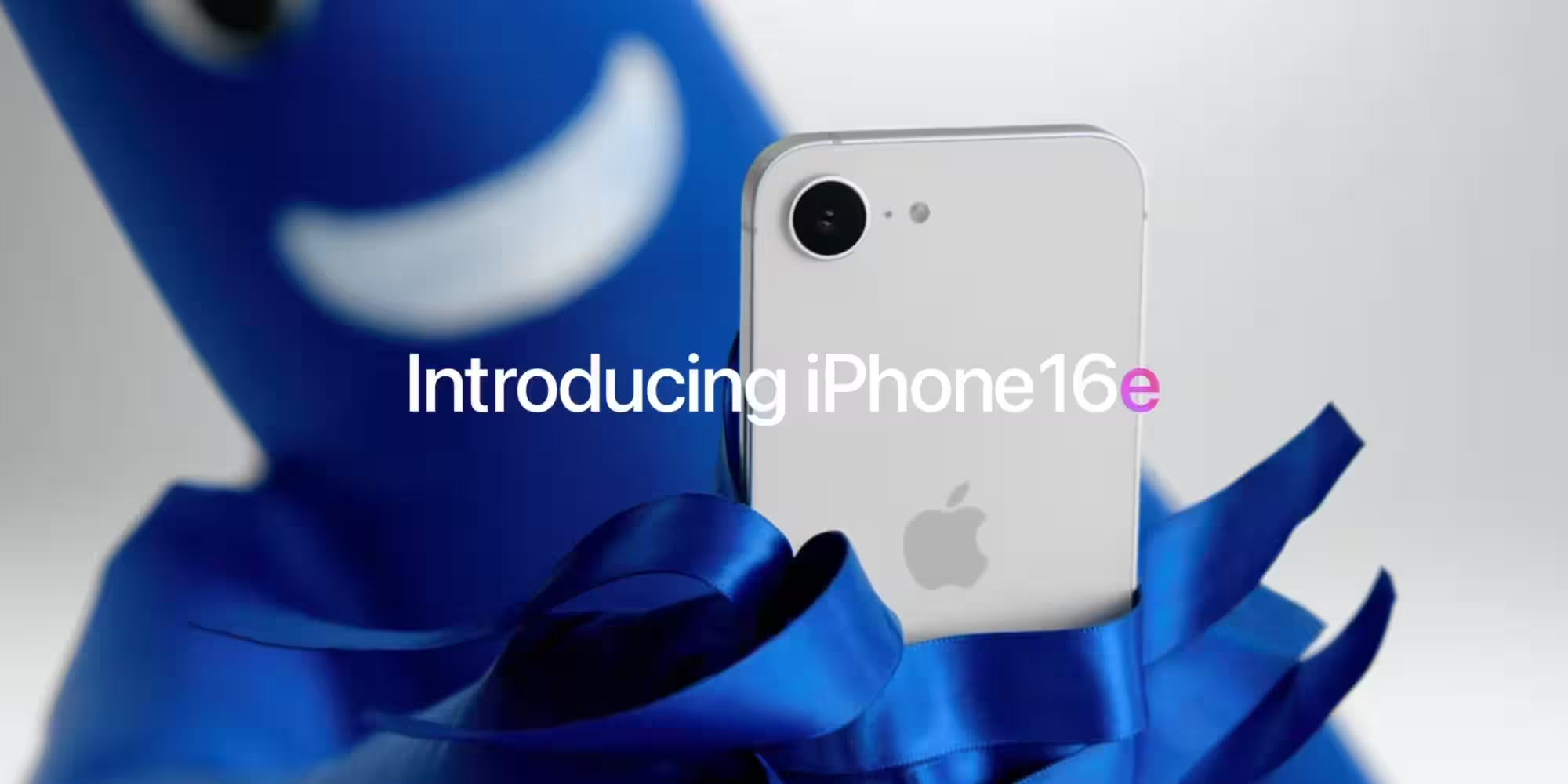
- iPhone 16e swaps out for the newer iPhone 17e
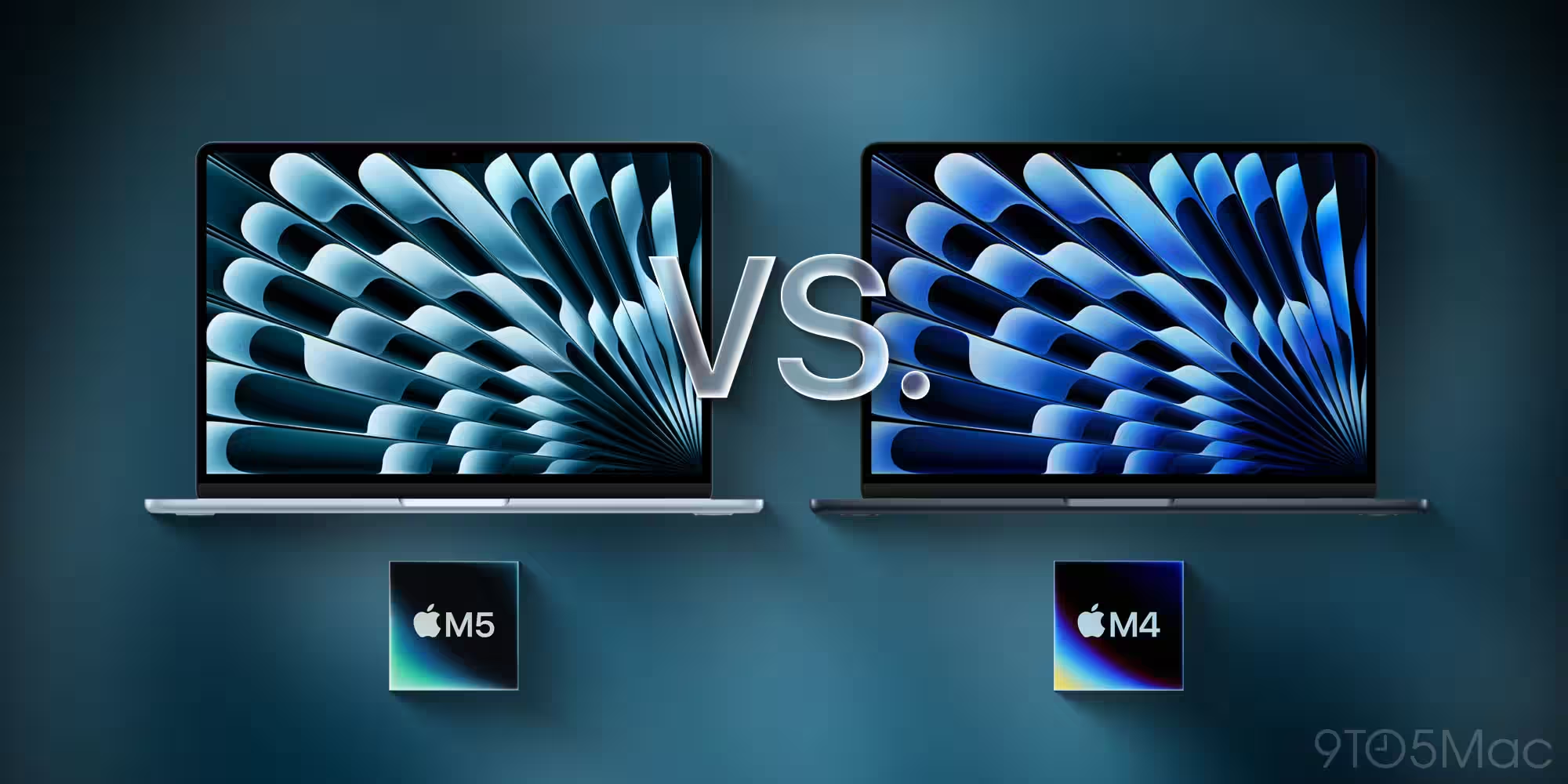
- M4 MacBook Air replaced by the M5 MacBook Air
- MacBook Pro with M4 Pro and M4 Max chips retired in favor of M5-equipped models
- M5 MacBook Pro with 512GB storage discontinued, pushing buyers to choose at least the 1TB variant
- M3 iPad Air replaced with M4 iPad Air
- 2022 Apple Studio Display retired for a next-gen version
- Pro Display XDR phased out, succeeded by Studio Display XDR
Most replacements are straightforward yearly refreshes, offering improved chips and modest upgrades without massive redesigns. The exception is the removal of the entry-level 512GB storage option on the M5 MacBook Pro-a move that nudges buyers toward pricier configurations, which could frustrate cost-conscious users.
On the display front, Apple has refreshed its premium monitors, replacing the 2022 Studio Display and Pro Display XDR with newer models that bring features like higher refresh rates and mini-LED technology. While these updates enhance performance, the trade-offs in features and price may not please all professionals who relied on the older models.
Another iPad discontinuation looms with AI upgrade
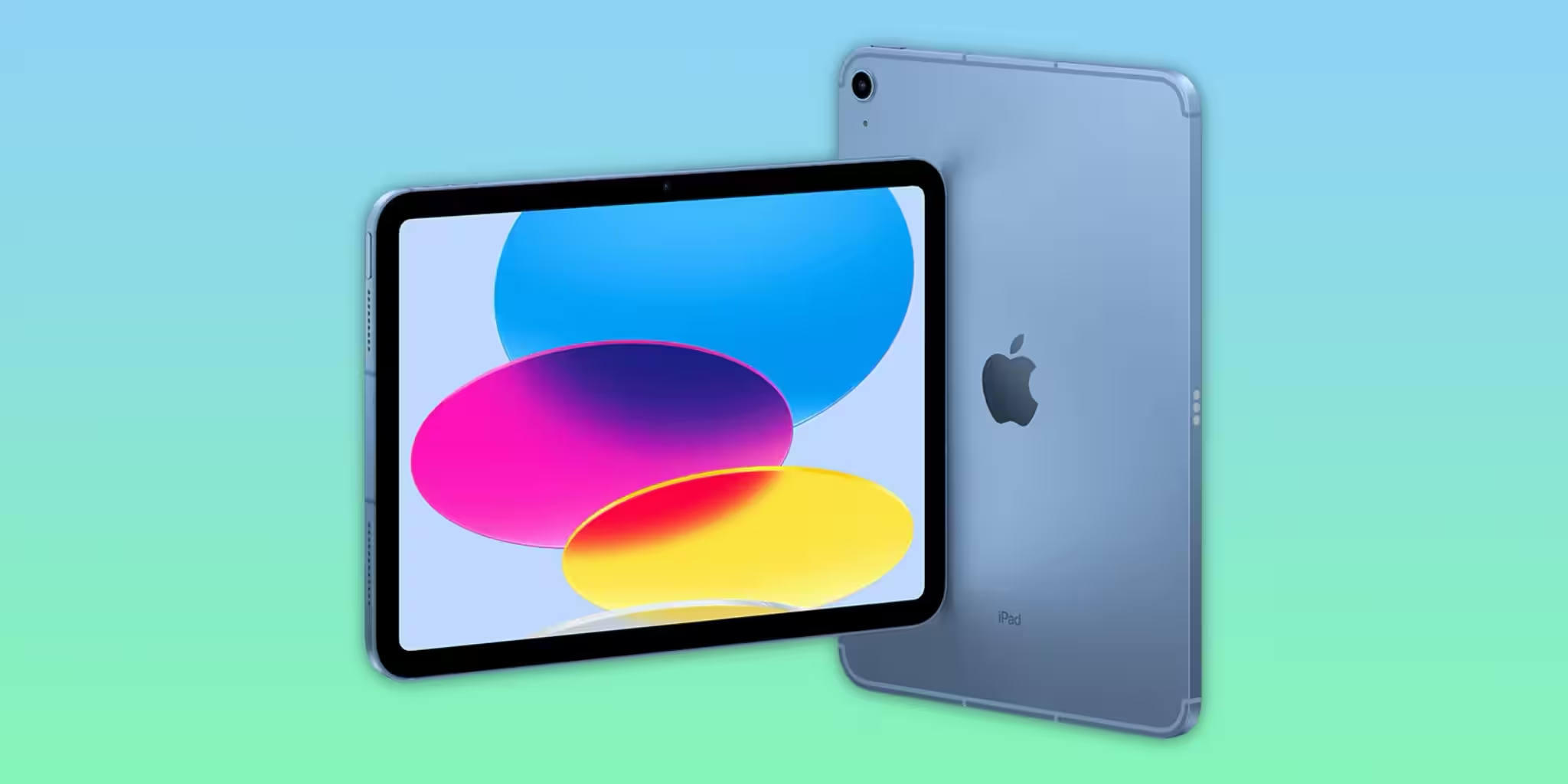
Apple seems poised to discontinue the 11th-generation base iPad as early as this week, following the expected launch of a new iPad model powered by an A18 chip. Apple launched the current 11th-gen iPad with an A16 chip just last year, but it notably lacks support for Apple’s AI framework-something the new model will correct.
With this update, Apple will complete the rollout of AI-compatible hardware across its entire lineup of iPhones, iPads, and Macs. This aligns with industry trends pushing AI capabilities into mainstream devices, but it also raises questions about how Apple manages legacy support for users on older models.
Additionally, the MacBook Neo, an all-new laptop expected to debut shortly, will expand Apple’s range without forcing any existing model off the shelves, demonstrating targeted growth rather than a full-scale product overhaul.