

This March, Apple retired 14 products, including entire lines like the Mac Pro and the Pro Display XDR, marking a significant shift in its hardware strategy. While new iPhones, iPads, and Macs launched, several older models were phased out, some without direct replacements.
Key new product launches this month included the iPhone 17e, refreshed iPad Air with M4 and M5 chips, and powerful MacBook Pros and MacBook Airs featuring the latest M5 variants. Apple also debuted the Studio Display XDR alongside a more affordable Apple Studio Display, both intended to replace the older Pro Display XDR. However, the Pro Display XDR’s successor reduces the display from a 32-inch 6K panel to a 27-inch 5K mini-LED, which may disappoint creatives expecting a direct upgrade.
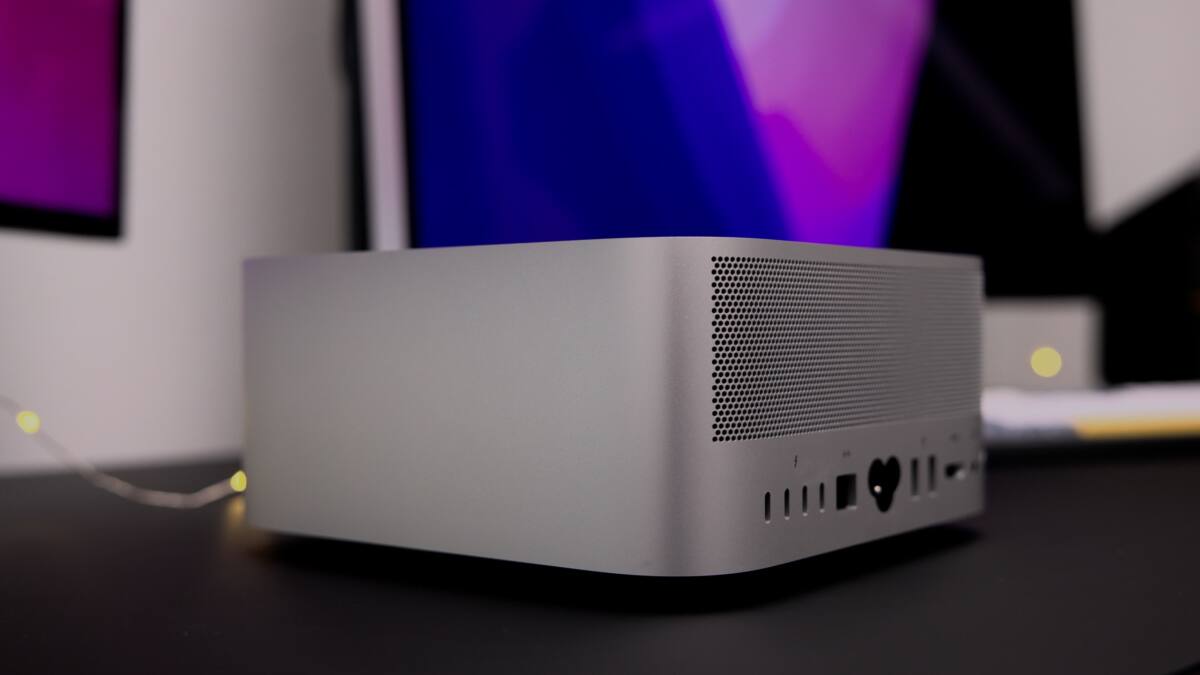
Alongside the display update, Apple officially retired the Mac Pro, a product line that had persisted since the Intel era. The Mac Studio now leads Apple’s high-end desktop lineup with its M3 Ultra and M4 Max chips, effectively replacing the Mac Pro’s position in Apple’s ecosystem. Notably, Apple also ceased offering the highest RAM configuration (512GB) for the Mac Studio, likely due to global memory shortages driven by AI server demand. This removes one of the system’s most prominent performance features.
Other discontinuations involved straightforward replacements: the previous-generation iPhone 16e, M3 iPad Air, and M4 MacBook Air and Pro models. Some rumored replacements, such as a new Apple TV 4K, have yet to appear, despite the last update being in 2022. Meanwhile, the A16 iPad remained available, indicating Apple will continue supporting it in the near future.
Apple’s aggressive product lineup pruning suggests a tighter focus on efficiency and clarity, likely in response to supply chain challenges and shifting market demands. The removal of flagship products like the Mac Pro and Pro Display XDR marks the end of an era, leaving the Studio line and more compact, integrated solutions at the forefront. As global component availability tightens, Apple is expected to continue streamlining its offerings to balance innovation with practical production capabilities.