

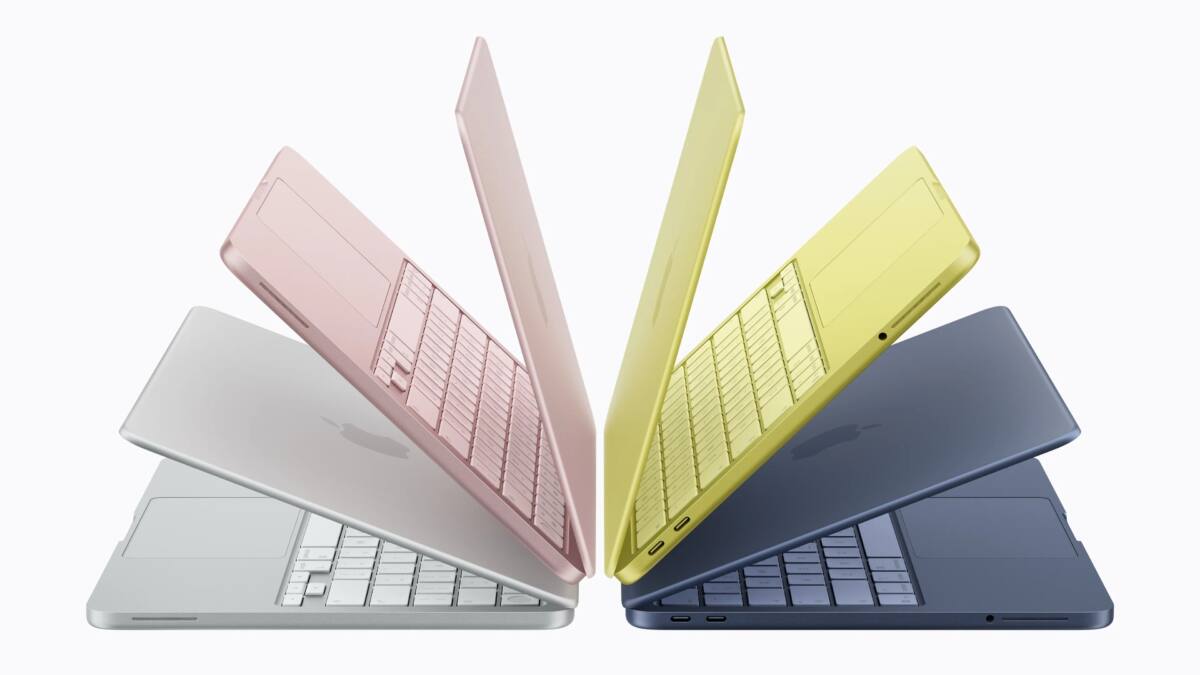
Apple’s iPad, once a clear middle ground between smartphone and laptop, is facing unprecedented internal competition. The new MacBook Neo, starting at $599 ($499 with education discount), packs a powerful A18 Pro chip, a full macOS experience, and a built-in keyboard and trackpad-offering more productivity for less money than many iPad configurations. Meanwhile, rumors of a foldable iPhone that transforms into a mini tablet threaten to erode the iPad’s portability advantage. As Apple diversifies, the company seems to be carving out a narrower, more specialized role for the iPad.
The MacBook Neo challenges the iPad on both price and performance. A base iPad setup, once you add storage upgrades and the Magic Keyboard, surpasses $700-more expensive than the Neo and still limited to iPadOS with a less powerful chip. Even the iPad Air configured with 256GB and a Magic Keyboard climbs close to $968, while lacking desktop-class software and hardware features available on the Neo.
- MacBook Neo: $599 base price, A18 Pro chip, 13-inch display, keyboard and trackpad included, running macOS
- Entry-level iPad setup: Starting at $349, $449 with 256GB storage, about $700 total with Magic Keyboard, uses less powerful chip and iPadOS
- iPad Air 256GB + Magic Keyboard: Approximately $968, still missing desktop-class software and hardware features
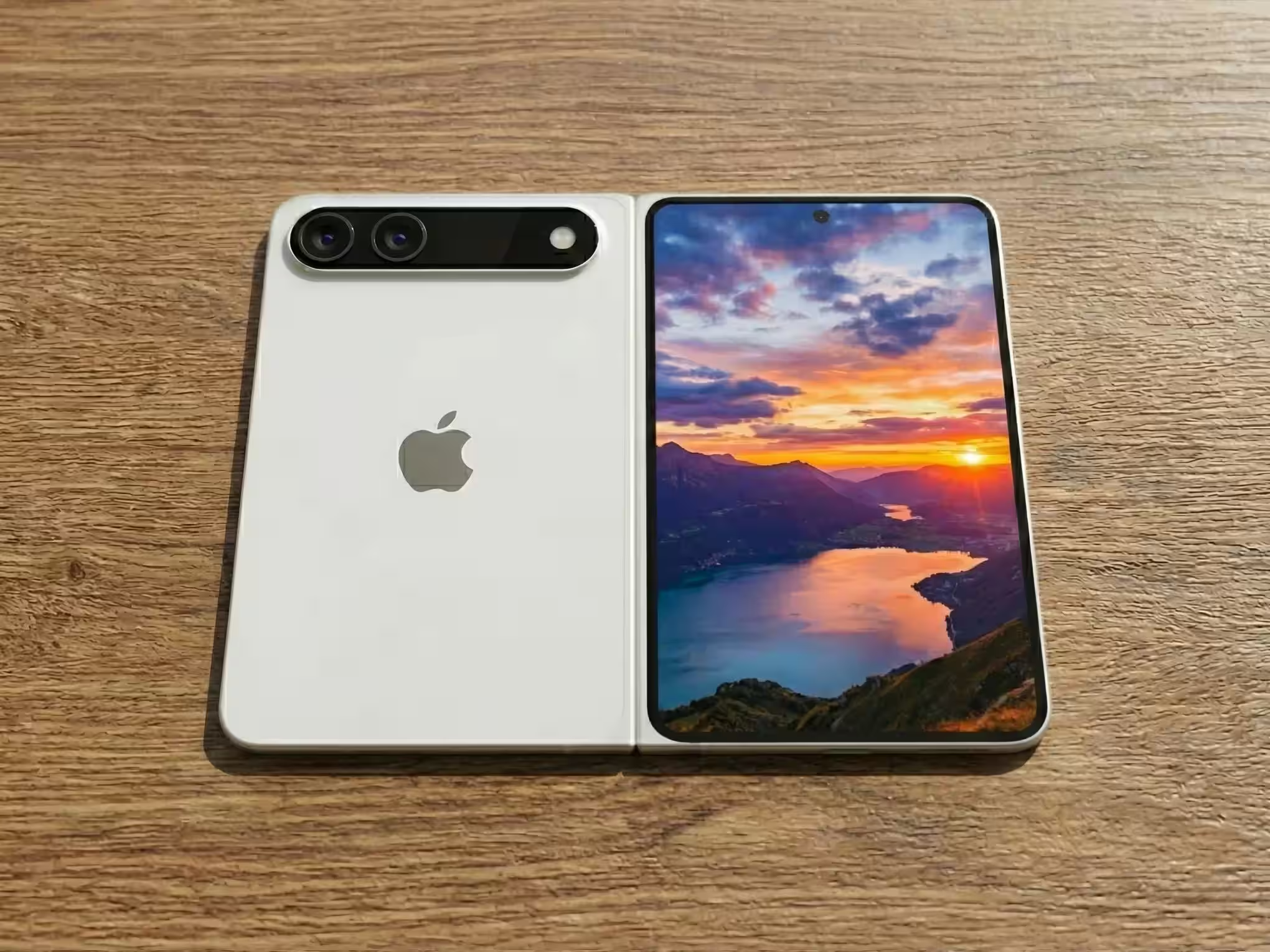
While the MacBook Neo solidifies Apple’s foothold in affordable laptops, the foldable iPhone could replace the iPad’s role as a portable, bigger-screen device. Expected to debut alongside iOS 17 with specific foldable features-like split-screen multitasking and iPad-style app behavior-the foldable iPhone essentially acts as an ultra-mobile tablet. Although pricier than an iPad mini, it further blurs the lines between phone and tablet.
Adding to the iPad’s identity challenge is Apple’s developing smart home display. Slated to cost around $350, this 7-inch device with a watchOS-like interface focuses on personalizing home control through Siri and user recognition-similar to Amazon Echo Show or Google Nest Hub. Reports of a future interactive tabletop robot featuring an iPad-sized screen on a motorized arm highlight Apple’s vision of versatile, screen-based productivity beyond traditional tablets.

Back in 2010, the iPad filled the space between the iPhone’s phone-sized convenience and the Mac’s robust computing power. Today, the introduction of a budget macOS laptop, a foldable larger-screen iPhone, a dedicated home hub, and even robotics platforms all chip away at the iPad’s original space. Apple is effectively slicing the tablet’s roles into multiple products, leaving the iPad caught in an identity crisis.
Still, the iPad holds strong for specific uses-education, creative professionals with the Apple Pencil, and immersive media consumption. Looking ahead, Apple might consolidate its tablet offerings into a single, high-end, creativity-focused device. This would sharpen the iPad’s unique value rather than spreading it thin against competing internal gadgets.