

Apple has introduced its latest MacBook Pro models powered by the new M5 Pro and M5 Max chips, boasting a redesigned CPU with ”super cores” and up to twice the SSD performance. These updates come as Apple steadily pushes the limits of its Silicon lineup, promising up to 30 percent faster multi-threaded CPU performance and substantial GPU improvements for creative professionals.
The heart of Apple’s new chips lies in an 18-core CPU configuration, up from the previous 14 cores. What stands out is the introduction of six ”super cores,” Apple’s most powerful yet, alongside 12 regular performance cores designed for sustained heavy workloads. This hybrid design aims to strike a balance between peak power and efficiency, delivering up to a 30 percent boost in multi-threaded tasks compared to last year’s M4 iterations.
On the graphics side, the M5 Pro features 20 GPU cores, while the M5 Max doubles that count to 40 cores. Each GPU core integrates a neural accelerator, enabling a claimed 35 percent improvement in ray-tracing workloads backed by increased memory bandwidth. This makes the new MacBook Pros better suited for demanding visual tasks like 3D rendering and real-time lighting effects.
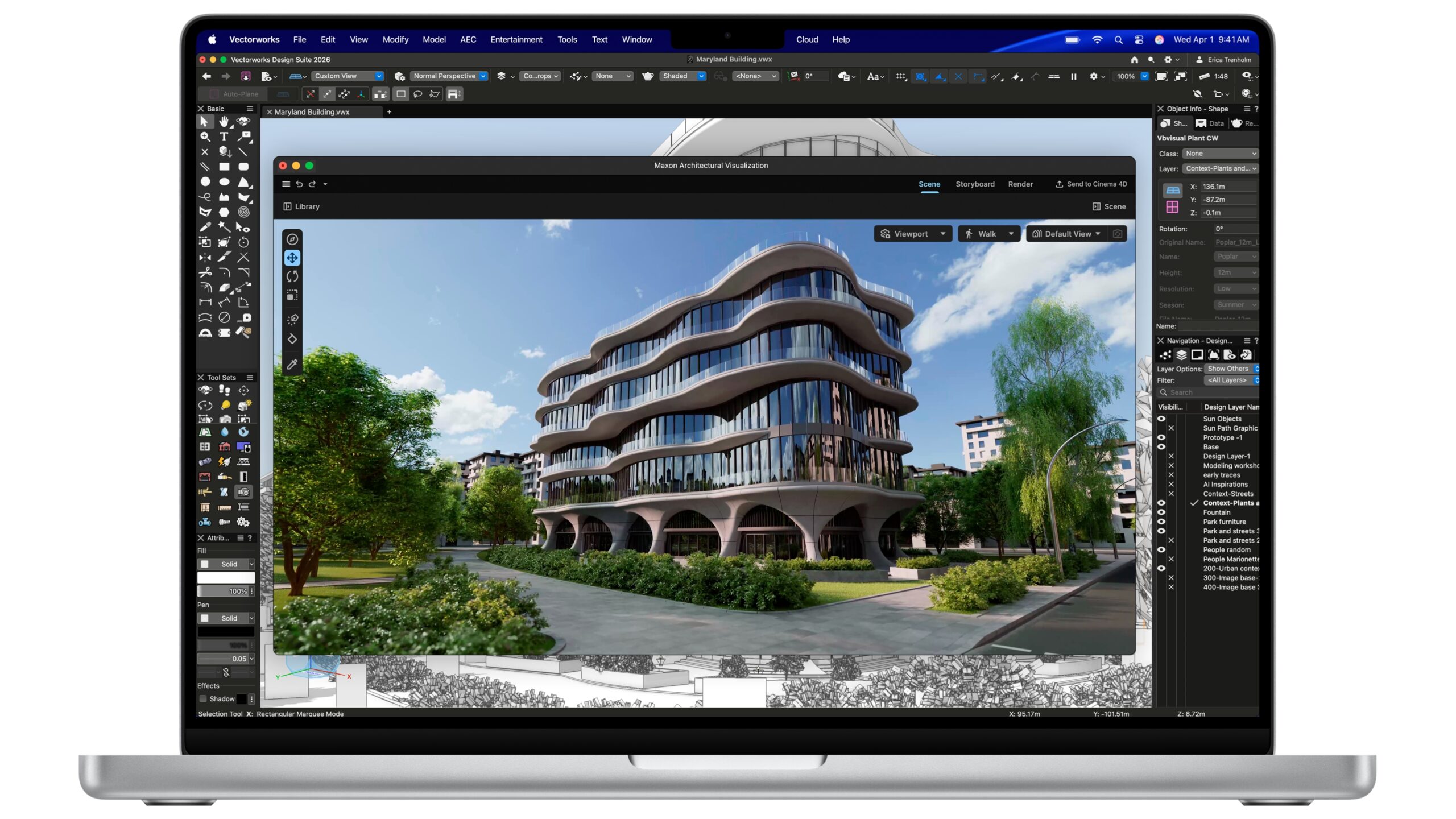
To complement the hardware upgrades, Apple has doubled SSD read/write speeds to reach up to 14.5 GBps. The base storage has also increased to 1TB for M5 Pro models and 2TB for M5 Max, signaling a shift in user expectations for on-device storage in professional laptops. Network capabilities have improved as well, with Apple incorporating its in-house N1 chip supporting Wi-Fi 7 and Bluetooth 6, although the MacBooks continue to market themselves under Wi-Fi 6E standards officially.
Additional features include a 12MP Center Stage webcam with Desk View, a Liquid Retina XDR display capable of 1,600 nits peak brightness, and long battery life of up to 24 hours. The new MacBook Pros maintain 14-inch and 16-inch size options, but Apple has nudged prices upward: the 14-inch starts at $2,199, the 16-inch at $2,699, with the M5 Max configurations pushing beyond $3,500.
Apple’s continued push toward higher core counts and specialized performance cores reflects an ongoing trend in chip design prioritizing heterogeneous architectures. However, the price hikes may raise eyebrows given the incremental nature of the performance gains amidst aggressive competition from PC makers leveraging innovations in hybrid CPUs and GPUs. Meanwhile, rivals like AMD and Intel are also racing to boost multi-thread throughput and energy efficiency in mobile chips, ensuring Apple’s Silicon will face tougher scrutiny as market demands grow.
By embedding more neural engines and amplifying GPU core counts, Apple aims to accelerate AI workflows and graphics-heavy applications-fields increasingly critical for media professionals. Whether these improvements translate to meaningful boosts in real-world creative tasks will be closely watched once the new Macs hit users’ hands next month.
The new MacBook Pros opened for pre-order on March 4, setting the stage for the first deliveries in the weeks ahead. The question remains whether users who upgraded only recently to M4-based MacBook Pros will find enough reason to jump back into Apple’s top-tier offerings amid its premium pricing strategy.