

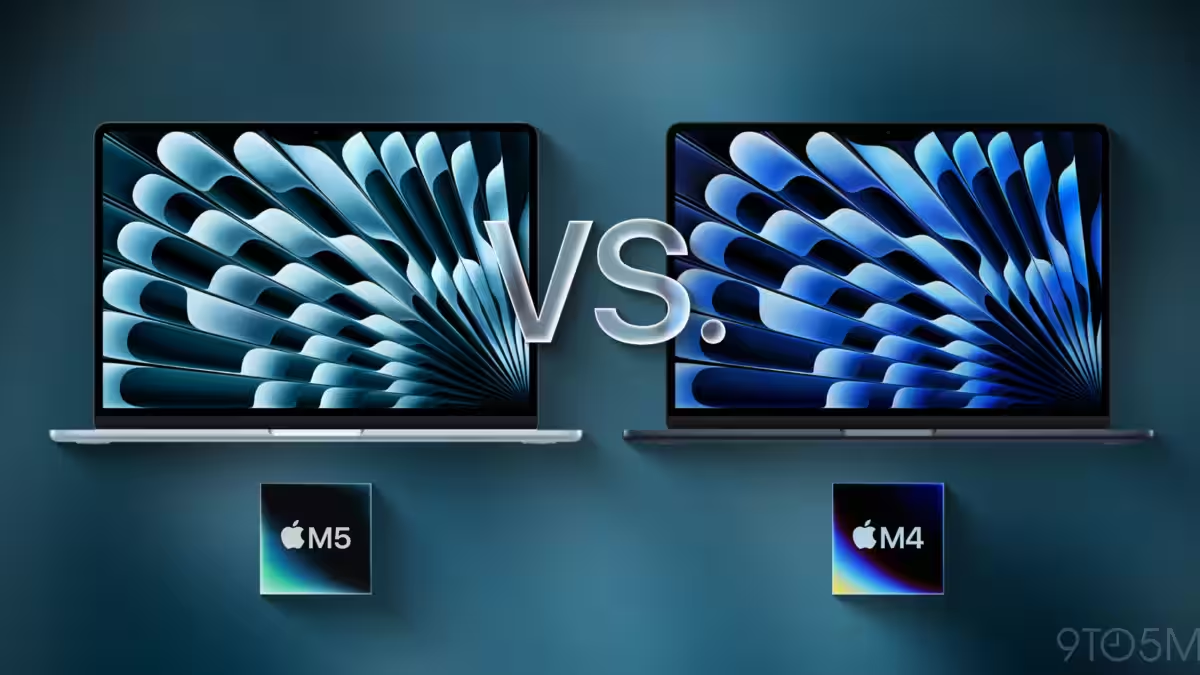
Apple has introduced the M5 MacBook Air, pushing incremental improvements over last year’s M4 model, but none striking enough to compel owners of recent Airs to upgrade immediately. The headline change is Apple’s new M5 chip, boasting faster AI processing and enhanced graphics, alongside increased storage, a new wireless chip, and a better charger.
Under the hood: M5 chip’s practical edge
The core upgrade is the Apple M5 chip, which packs a 10-core CPU featuring what Apple calls ”the world’s fastest CPU core,” and an up-to-10-core GPU with integrated neural accelerators. Apple highlights remarkable AI capabilities with a claim of up to four times faster AI task performance compared to the M4, and nearly ten times over the original M1 chip.
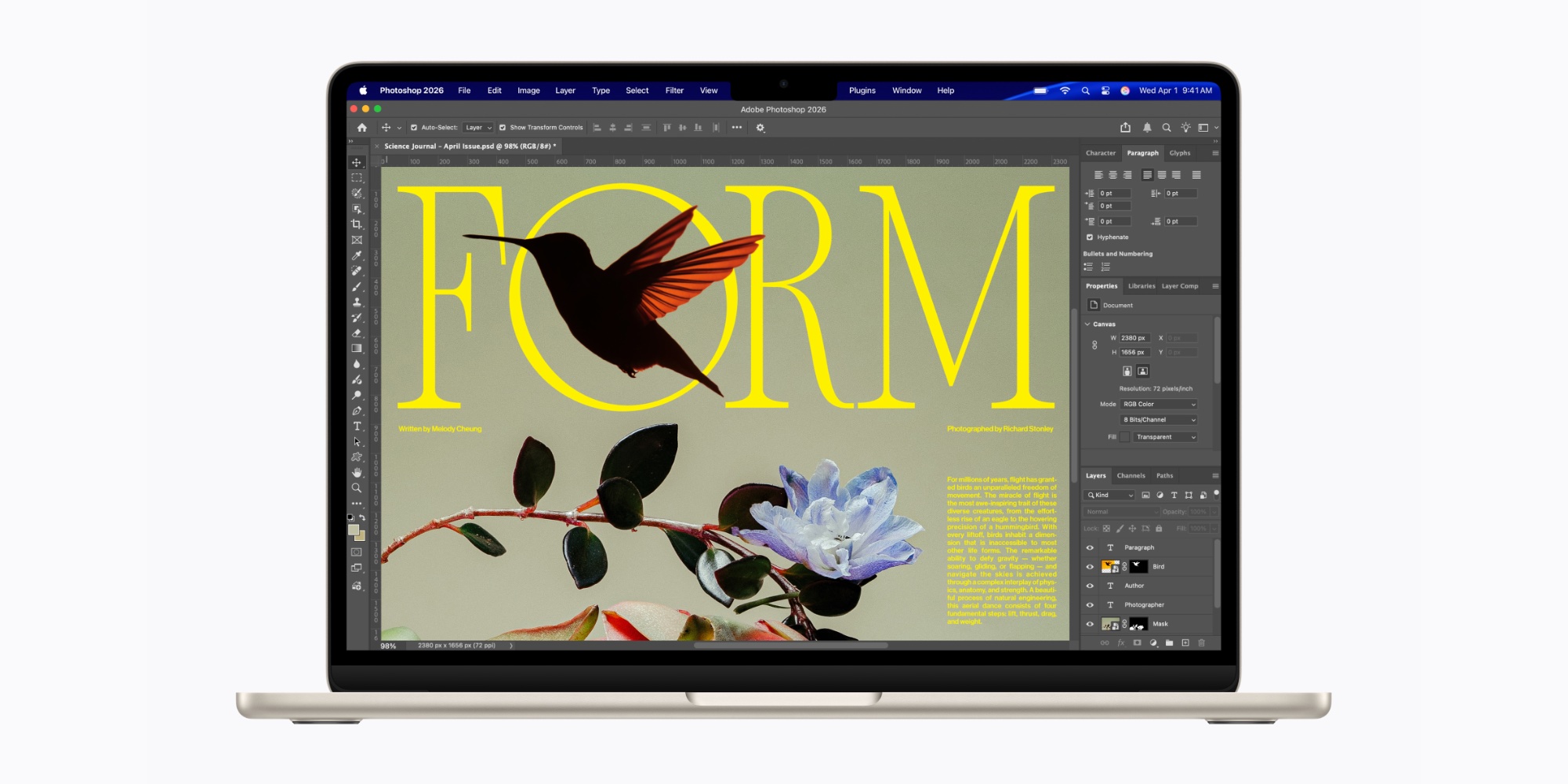
For users with last year’s M4 MacBook Air, these gains won’t translate into a compelling reason to upgrade, especially given similarities in design and battery life. But this iteration makes a stronger case for those on much older machines like an M1 or Intel-era MacBook Airs. The machine aims at buyers who skipped last year’s refresh rather than early adopters.
Storage and wireless connectivity step up
Storage has also improved: the base model starts at 512GB instead of 256GB and can be configured up to 4TB-double last generation’s max. Plus, the new SSD is reportedly twice as fast in read/write performance.
The M5 MacBook Air also debuts Apple’s N1 wireless chip, first seen in the iPhone 17 series, replacing the third-party wireless module used in the M4 model. This change enables the latest Wi-Fi 7 standard, an upgrade over last year’s Wi-Fi 6E, along with Bluetooth 6 support. These improvements promise better speed, lower latency, and enhanced reliability for features like AirDrop and Personal Hotspot.
Improved power adapter signals subtle polish
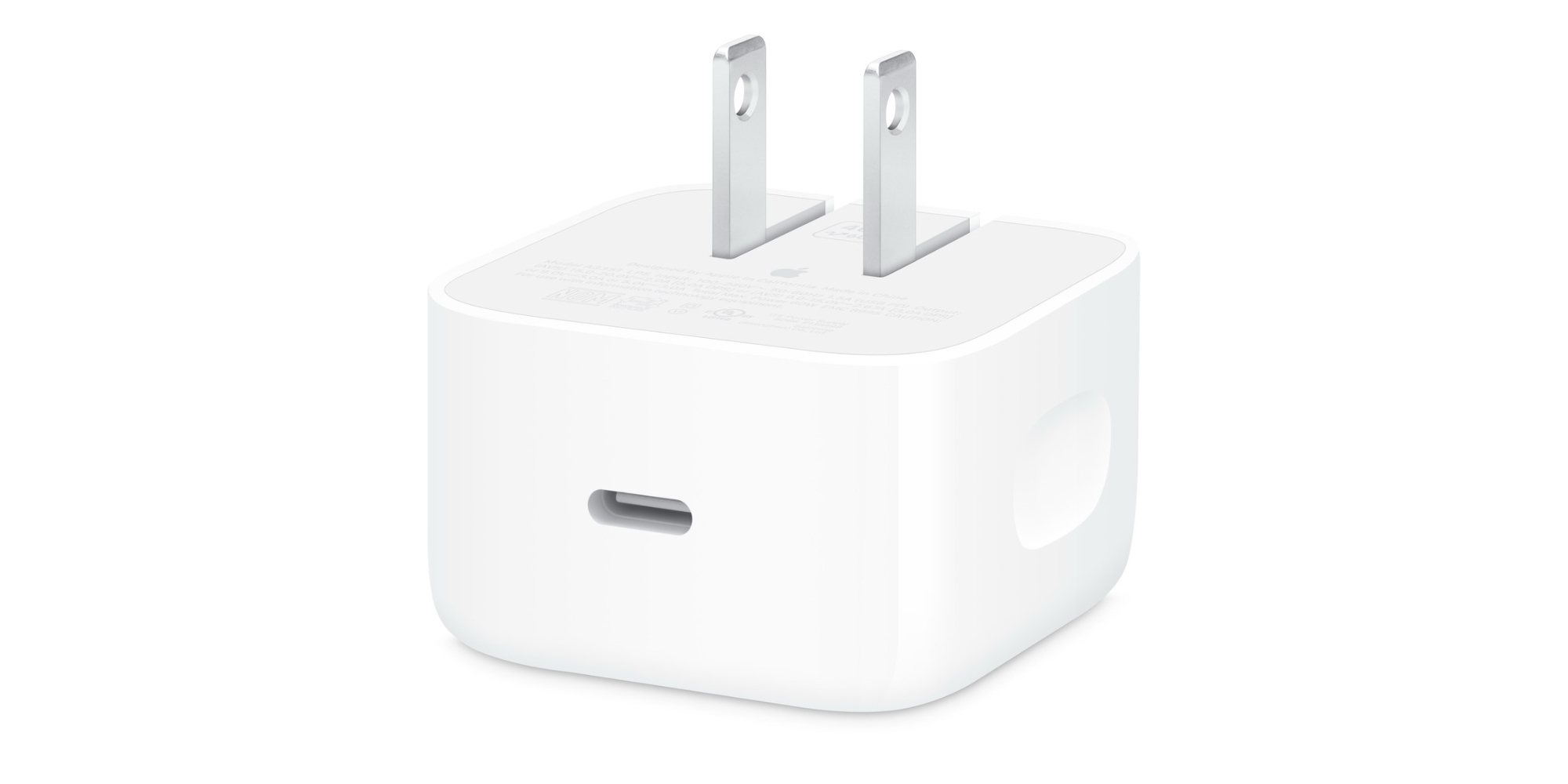
Another minor, yet welcome addition is the upgraded charger bundled in the box. Apple has replaced last year’s 30W USB-C power adapter with a more capable 40W Dynamic Power Adapter capable of delivering up to 60W maximum power. While modest, this should translate to faster charging times for the Air and other Apple devices.
Beyond these updates, the M5 Air retains the beloved fanless design, 12MP Center Stage webcam, color options, and an 18-hour battery life similar to its predecessor.
While the $1,099 price tag is $100 more than last year’s base, doubling the storage and upgrading wireless tech could justify the premium for new buyers. However, the iterative nature of these changes reasserts Apple’s trend of reserving headline innovations for its Pro lineup, while the Air focuses on steady refinements.
With competitors like Dell and Lenovo pushing aggressively on performance-price ratios in ultraportable laptops, Apple’s strategy seems tailored to sustain a premium user base rather than win over entry-level buyers. Considering the modest year-over-year gains, it will be interesting to see how this affects Air sales as more users debate the cost of early upgrades versus waiting for a more dramatic refresh.
Are you upgrading from an older MacBook Air or holding steady with your current model? The new M5 Air might make more sense for the former compared to the latter.