

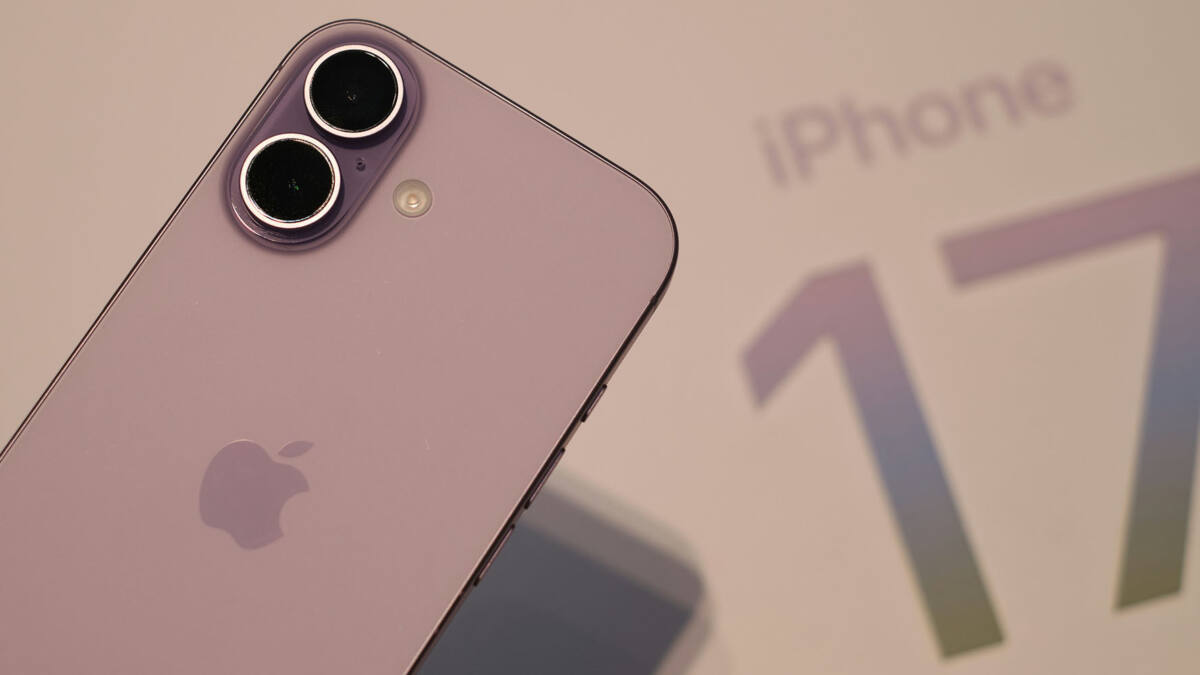
While the Chinese smartphone market contracted by 4% over the first two months of 2026, Apple defied the trend with a striking 23% increase in iPhone sales. The surprising surge highlights Apple’s ability to maneuver through price pressures that have weighed on Android brands, reshaping the competitive environment in one of the world’s largest tech markets.
A new report from Counterpoint Research reveals that rising memory chip costs forced many Android manufacturers to hike prices. These increases were steep enough that government subsidies couldn’t prevent a drop in consumer demand-a challenge Apple circumvented through strategic supplier contracts and targeted e-commerce discounts. The base model iPhone 17, benefiting from consistent pricing, qualified for the subsidies that fell short for Android rivals, securing a notable edge for Apple.
Apple’s longer-term purchasing agreements appear to have shielded the company from the full impact of component price fluctuations, allowing it to maintain margins without immediate price hikes. Company executives expressed confidence during their latest earnings call that Apple can continue to navigate global supply challenges, though they left open the possibility of increasing prices if cost pressures endure.
Among the competition, Chinese brands OPPO and vivo have raised prices on select models to offset rising costs, while Huawei is said to be in a stronger position thanks to its reliance on domestic suppliers, which mitigates exposure to international supply chain disruptions. Looking ahead, analysts suggest the market won’t rebound until the midyear shopping festival in June, when discounts traditionally flow, but overall conditions are expected to remain tight.
This episode underscores Apple’s resilience in volatile markets, leveraging supply chain strategies and pricing stability to gain ground as Android’s volume falters. Whether this advantage can be sustained as chip costs normalize or if Apple will need to follow with price adjustments remains a key narrative for 2026’s smartphone battlefield.