

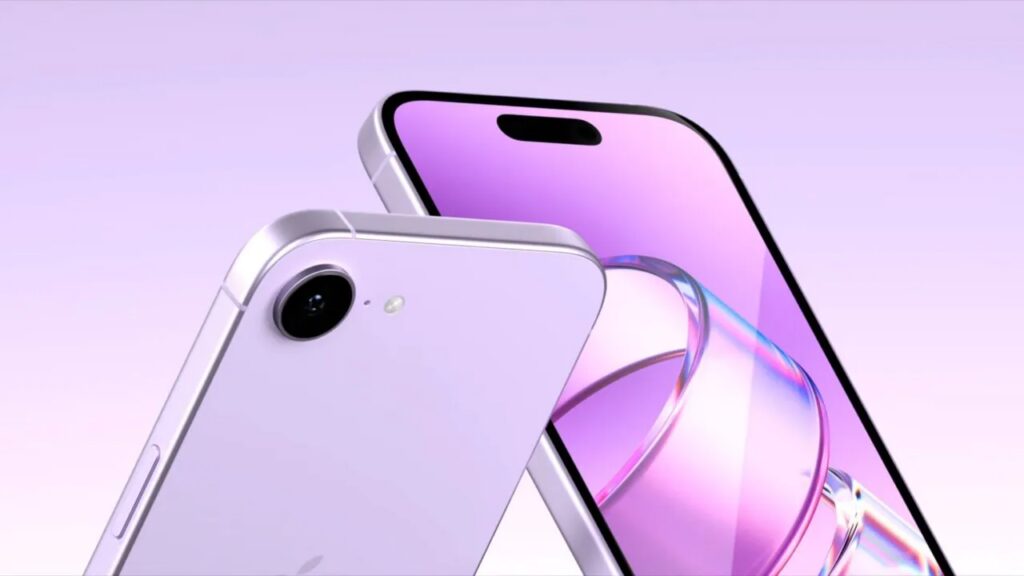
Apple’s budget-friendly iPhones have long lagged behind Android rivals by sticking to 60Hz displays, while competitors flaunted smooth 120Hz refresh rates. That could change with the iPhone 19e, rumored to launch in spring 2028, which might upgrade to a 120Hz LTPO OLED panel, marking a notable leap for the affordable ”e” series.
The current iPhone 17e, aimed at delivering a more accessible price point, holds to a modest spec sheet: a single rear camera, a 60Hz OLED display, and a smaller battery. Compared to equally priced Android phones that often boast faster refresh rates and multiple cameras, it feels conservative. Though it covers basics well, it hasn’t pushed performance or display tech boundaries.
The jump to a 120Hz LTPO OLED screen with dynamic refresh rates between 1Hz and 120Hz would align the iPhone 19e with Apple’s ProMotion technology used in high-end models. This tech not only smooths scrolling and animations but also brings power-saving benefits by adjusting the refresh rate according to usage.
Apple plans to repurpose components from prior flagships to keep costs down, possibly adopting a 6.3-inch OLED display from the iPhone 17 series featuring a 2,622 × 1,206 resolution and high brightness for HDR content. The switch from LTPS to LTPO technology also suggests better battery life, an area where affordable iPhones have sometimes fallen behind.
Another upgrade likely to arrive with the iPhone 19e is always-on display support, a feature so far exclusive to pricier iPhones. Thanks to LTPO technology, the screen can reduce its refresh rate to a minimum, showing essential info without draining significant power.
This upgrade path reaffirms Apple’s cautious but steady push to bring premium features down the product stack. While the 120Hz refresh rate and always-on display won’t appear in the budget iPhone for a couple more generations, the move could narrow the tech gap consumers often notice when comparing budget iPhones with Android offerings.