

Apple is on the verge of transforming its conversational AI strategy by potentially leveraging iMessage as the primary platform for Siri and third-party AI chatbots. While the company once publicly downplayed the idea of a Siri chatbot, rumors suggest that iOS 27 might introduce a dedicated Siri app to tap into Apple’s latest Foundation Models. Yet, the real opportunity lies beyond a standalone app: integrating conversational AI directly into iMessage, the app millions of users interact with daily.
Using iMessage for AI conversations makes sense. Users already rely on the app for everyday communication, making it a natural hub for chat-based interactions with Siri or other AI services. While managing separate conversation threads for AI might require some thoughtful UI tweaks, Apple’s engineering prowess could deliver features like a conversation selector for different AI assistants or bots within the app.
More compellingly, opening iMessage as a platform for third-party conversational AI developers could spark innovation and broaden user access. Apple has dipped its toes with Business Chat, letting companies communicate with customers through iMessage, but this system is limited and not particularly developer-friendly. By contrast, a new API supporting AI chatbots natively within iMessage would empower developers to build services that reach users directly on iPhone, iPad, Mac, and Apple Watch-far beyond the usual confines of standalone apps.
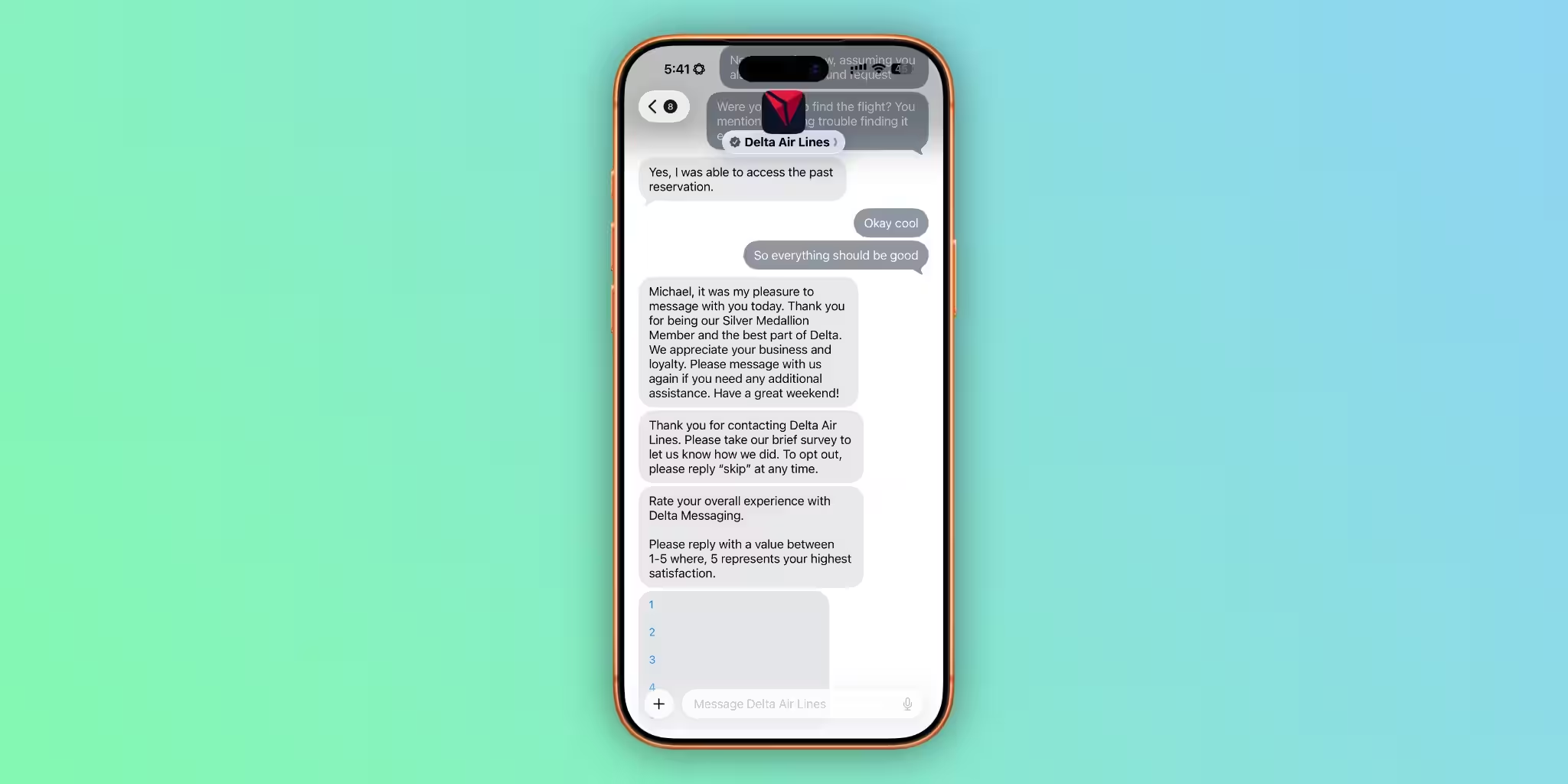
This integration could streamline interactions where switching apps is cumbersome. Imagine managing work tasks, controlling smart home devices, or consulting financial advisors with AI chatbots inside the familiar iMessage environment. That ease of access is something standalone AI apps have yet to fully crack, and Apple could claim a unique position with this approach.
Of course, developers who invested in their own apps might hesitate to adopt a messaging-based model that offers less control over branding and features. Apps like ChatGPT will likely remain essential for comprehensive AI experiences. But for quick queries, updates, or routine interactions, iMessage could become the default spot for AI chats.
Apple’s strategy here will not just enhance Siri’s relevance but also reshape how conversational AI fits into users’ daily workflows. Unlike Android, where AI chatbots often exist as standalone apps or browser tools, Apple’s tight ecosystem and cross-device iMessage presence could offer a more integrated user experience.
The big question: will Apple open up iMessage sufficiently to let this vision flourish? If iOS 27 includes such an API, it might finally help Apple stake a leading position in conversational AI by capitalizing on an app already woven deeply into users’ lives.