

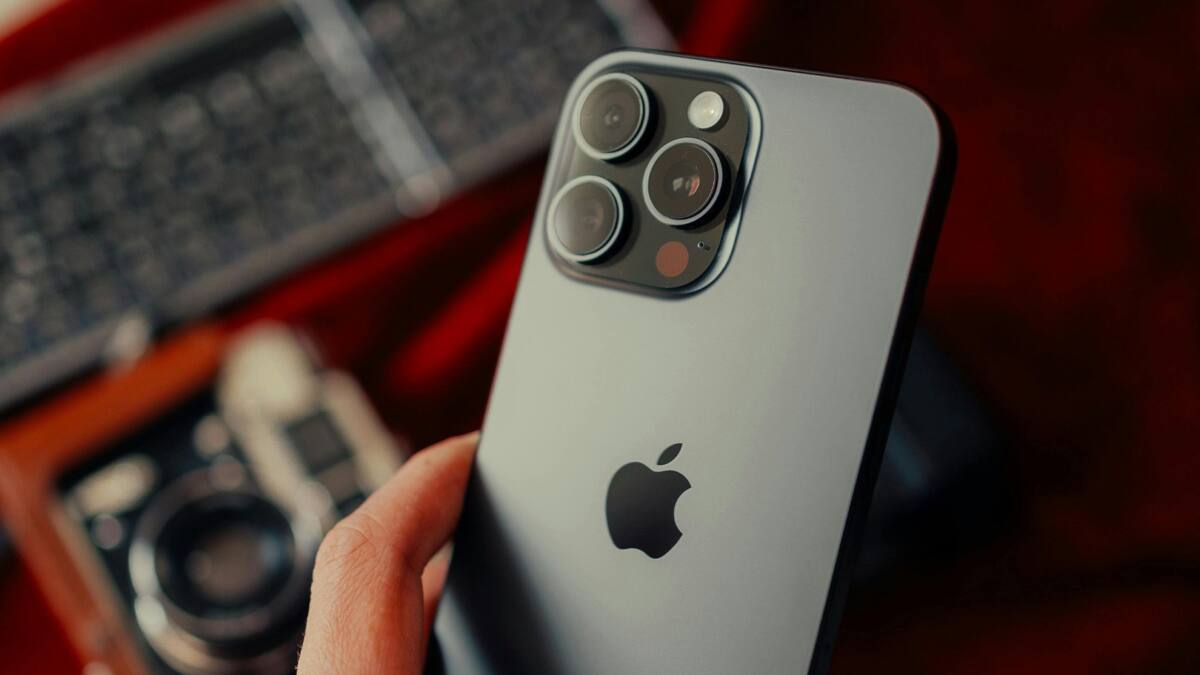
Apple has pulled off a neat bit of timing: in the same quarter the global smartphone market shrank, iPhones climbed to the No. 1 spot worldwide. Google’s Pixel phones, meanwhile, posted one of their strongest growth spurts yet, suggesting that premium Android buyers are still willing to reward a cleaner software pitch even when the broader market is cooling.
Counterpoint Research says Apple led the smartphone market in Q1 2026 with around 21% share, edging Samsung’s 20%. That is the first time Apple has ever finished a first quarter on top, which is a milestone, but also a reminder that ”winning” a declining market often says as much about the rivals’ stumbles as it does about your own brilliance.
Why iPhone demand held up
The iPhone 17 series appears to have done the heavy lifting, helped by aggressive trade-in offers and healthy demand in India and across Asia-Pacific. Samsung, by contrast, was nudged lower by delayed launches and softer demand at the entry level – the unglamorous end of the market, where volume lives and margins go to die.
Apple’s result also fits a familiar pattern. When the smartphone market gets tighter, the biggest brands usually lean harder on financing, trade-ins, and ecosystem lock-in, which tends to favor the manufacturer that can make a pricey phone feel oddly reasonable.
Pixel sales growth is smaller but sharper
Google’s Pixel business reportedly grew by around 14% year on year, a strong showing in a market where many brands would happily settle for flat. The growth is being linked to Google’s usual strengths: AI features, computational photography, and a cleaner software experience than most Android rivals bother to deliver.
The newer Pixel 10a also helped, which matters because midrange phones are where a lot of brands either build momentum or quietly disappear. Pixel still is not threatening the top three by volume, but that was never really the point; it is building a loyal, premium-shaped audience one upgrade cycle at a time.
- Apple: around 21% global share in Q1 2026
- Samsung: 20% global share in Q1 2026
- Google Pixel: around 14% year-on-year growth
- Global smartphone market: down 6% year on year
The shrinking market favors the brands with a story
A market that contracts by 6% does funny things to the narrative. The winners are not always the companies shipping the most devices; they are often the ones with the clearest reasons to upgrade, the best trade-in math, or the least irritating software.
That is good news for Apple, which can sell status, speed, and ecosystem comfort in one package, and for Google, which is turning Pixel into a proof point for its AI ambitions. The bad news is for everyone stuck in the middle, where being merely competent is no longer enough.
What happens next for Apple and Pixel
If Apple can keep trade-ins generous and demand for the iPhone 17 series steady, it should stay near the top for a while. Pixel’s bigger question is different: can Google turn this into a longer climb without ever chasing volume for its own sake? That seems to be the plan, and frankly it is the smarter one.