

Virtual assistants can answer when you ask them a question, but they still struggle to understand the messy visual world around you. That’s the hole Apple appears intent on filling: Bloomberg reported the company is fast-tracking three camera-equipped wearables so Siri can use visual context, not just sound.
What Apple is building – in plain terms
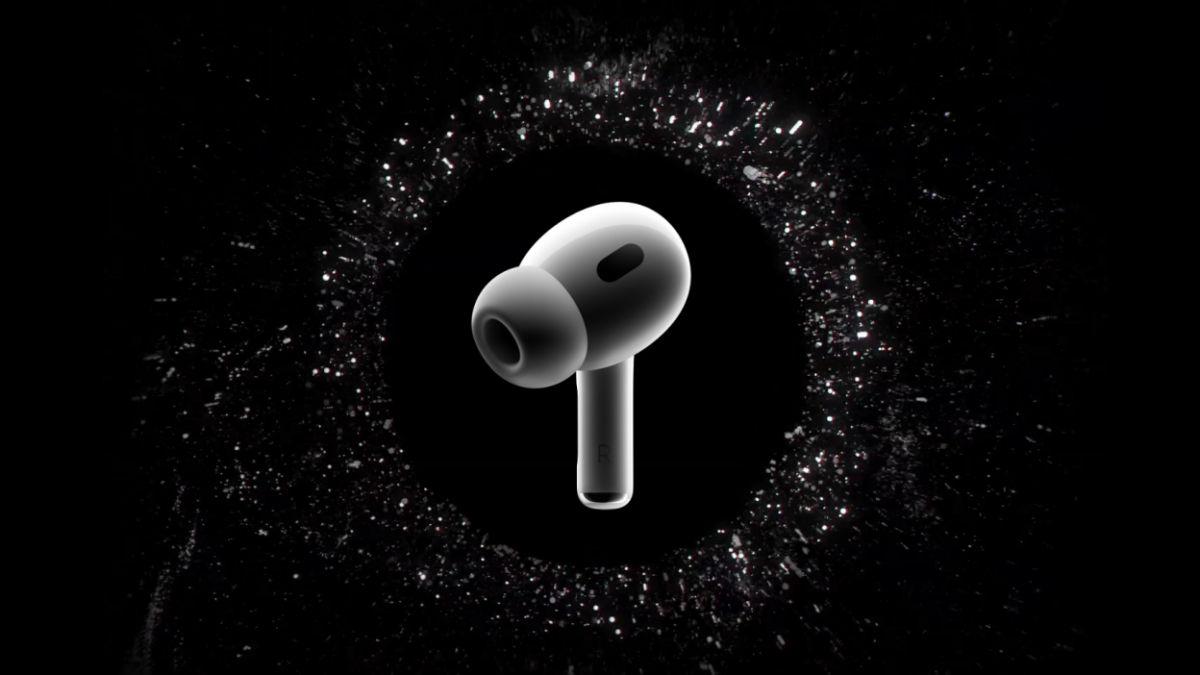
According to Bloomberg’s reporting, the projects include camera-equipped AirPods, smart glasses with dual cameras, and an AI pendant that clips to clothing. The AirPods idea isn’t about selfies; the plan reportedly uses low-resolution sensors to feed environmental data into a more capable Siri. The glasses would carry one camera tuned for media capture and another focused on computer-vision tasks such as navigation. The pendant would offer continuous AI interaction via a camera and microphone, leaning on an iPhone for heavy processing and – still undecided internally – a speaker.
Why this matters – beyond the gadget gloss
Giving Siri ”eyes” shifts the assistant from a voice-only tool to a context-aware agent that can point out what’s in front of you, read signs, or help with hands-on tasks. That’s attractive from a product standpoint: visual context makes many AI features noticeably more useful. It’s also an existential play for Apple’s ecosystem. If Siri can tap into on-body sensors and leverage the iPhone for processing, Apple can keep more value inside its hardware-and-services funnel.
Old problems, new hardware
This idea isn’t novel. Google Glass famously stumbled in 2012 because people didn’t want cameras pointed at them all the time. Meta’s Ray-Ban Stories and other camera glasses showed limited mainstream appetite beyond niche use cases. Humane’s AI Pin – a wearable camera-and-AI device – made the concept headline-worthy again and exposed the practical trade-offs between standalone compute and tethering to a phone.
Apple’s approach looks hybrid by design: add sensors where they make sense, but offload heavy lifting to the iPhone. That avoids packing each accessory with big batteries and servers-in-a-pill, but it also limits standalone appeal and raises questions about how smoothly those devices will work when disconnected.
Who stands to win and who should worry
Apple has the distribution, developer base, and hardware margins to make camera-enabled wearables commercially viable. Startups that built entire product roadmaps around standalone AI wearables – think companies like Humane – may find it harder to compete if Apple introduces simpler, cheaper accessories that piggyback on iPhones.
On the other side, privacy advocates and regulators are the likely losers in the sense that they’ll have to re-fight old battles. A face-forward camera in a pair of earbuds or a pendant will trigger familiar concerns: passive recording, inadvertent biometric collection, and the social friction of people being photographed without consent. Laws and guidelines – from local privacy rules to the EU’s AI Act – already put constraints on biometrics and high-risk AI use; camera wearables will be parsed through those frameworks.
Technical and social trade-offs Apple will have to manage
Low-resolution sensors make the energy budget friendlier, but they limit what the AI can infer. Offloading to an iPhone reduces on-device hardware complexity but creates dependency on a nearby phone and on fast, private data links. Apple has long marketed privacy as a differentiator; the company will need clear UI cues and guardrails to reassure users and bystanders that vision-powered Siri won’t become a surveillance tool.
There’s also a product-design question: how to make camera wearables socially acceptable. Glasses already carry stigma from earlier failures. Earbuds with a tiny sensor might be less obvious, but that could make them more intrusive. The pendant sits somewhere in the middle: visible enough to signal intent, but also a clear target for regulation.
What to expect next
Treat these projects as long-term plays, not instant launches. Apple tends to prototype extensively and fold lessons into polished releases. The company also has incentives to push this work into services: more capable Siri could unlock subscriptions, developer APIs, and new App Store interactions. Expect incremental rollouts, tight iPhone integrations, and heavy attention to the privacy messaging around any public launch.
At the end of the day, giving Siri eyes is a sensible evolution – but it comes with old arguments dressed in new hardware. The question isn’t whether the tech works; it’s whether Apple can make it feel safe, private, and socially tolerable enough that billions of people want to wear it.