

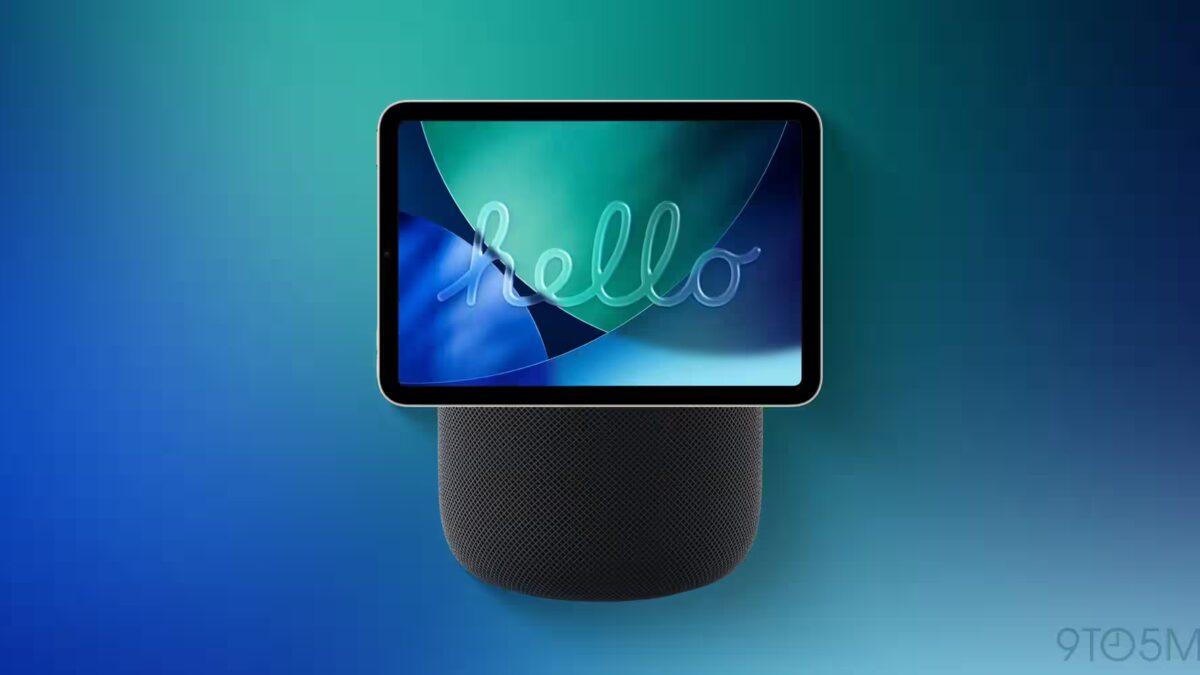
Apple has pushed back the release of its upcoming HomePod with a screen-a device that’s been touted as a hybrid between the HomePod speaker and an iPad. Originally expected early in 2025, insider Kosutami shared on social media that the launch won’t happen before the fall. The main culprit? Lingering issues with Siri’s voice assistant and postponed AI upgrades.
The HomePod with a display is a long-anticipated expansion of Apple’s smart home lineup, venturing beyond current offerings like the Apple TV 4K, HomePod, and HomePod mini. The initial announcement was slated for March 2025, but Apple has hit roadblocks in boosting Siri’s intelligence-critically delaying the launch. Bloomberg sources, including Mark Gurman, highlight that the device’s success hinges on AI improvements in Siri, which now likely won’t arrive until iOS 26.5 or even iOS 27.
Siri AI delays and the ripple effect on the HomePod
These Siri setbacks aren’t just a software hiccup-they have major implications for Apple’s entire ecosystem. Siri, powered by the upcoming Gemini AI tech, is expected to transform the HomePod from merely a screen-equipped speaker into a full-fledged smart home hub. This means smarter contextual understanding and complex voice-command automation. Without these AI enhancements, Apple isn’t ready to roll out its vision for the next-gen smart home.
Meanwhile, Apple is still developing other smart home gadgets like a security camera and video doorbell with Face ID support. Rumors hint that the company might unveil these alongside the next iPhone 18 event in September. However, the HomePod delay may disappoint fans eagerly awaiting a breakthrough smart home device-especially given the uncertainty surrounding Siri’s AI progress.
Smart home competition heats up as Apple risks falling behind
Apple is currently trailing Amazon and Google in the smart home arena, where Alexa and Google Assistant are rapidly expanding features and user bases. Siri’s delayed rollout of advanced capabilities intensifies the risk of losing ground to rivals who already offer sophisticated voice control and seamless integration. Known for its meticulous approach and premium quality, Apple isn’t willing to cut corners-but in a fast-moving landscape, even that won’t guarantee market leadership.
It’s also worth noting that expectations for Siri’s AI are sky-high. With these features on hold, users might lean towards tried-and-tested alternatives from competitors. As smart homes gain popularity, relying solely on brand loyalty won’t be enough to maintain a competitive edge.
What to expect from the HomePod with a screen in fall 2025
Come fall 2025, Apple is likely to launch the HomePod with a screen featuring a more intelligent, updated Siri. The device promises to be a versatile home assistant, offering advanced control over media, security, and syncing seamlessly with other Apple ecosystem products. Still, the delay raises questions about whether the tech will live up to the hype and if Apple can reclaim its lead in the smart home space.
This news matters beyond Apple’s fan base. Globally, smart home technology is rapidly evolving, and a meaningful setback for a major player like Apple signals shifting tides in AI-driven home automation. For Russian readers, Apple’s delayed Siri update echoes wider challenges in tech innovation that affect domestic and international markets alike, as global tech giants race to refine AI competencies. Keeping pace with rapidly advancing AI is crucial not only for convenience but for maintaining relevance in a fiercely competitive ecosystem.