

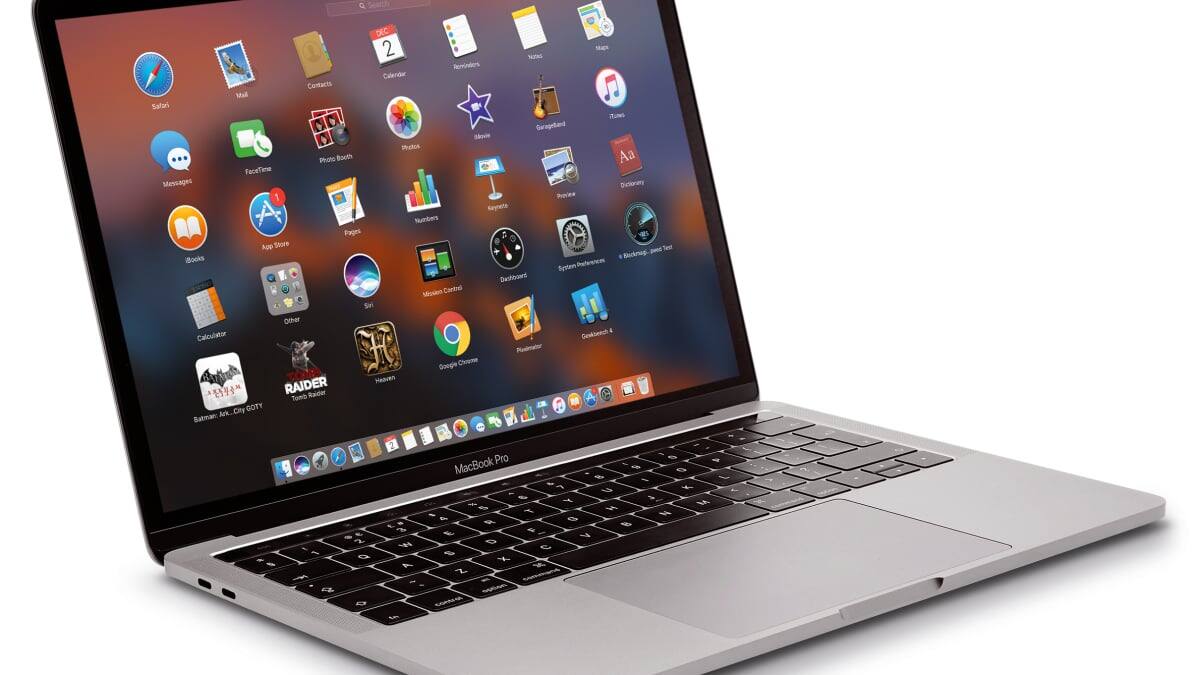
Apple has halted updates for AppGrid, a third-party Mac app designed to replicate the discontinued Launchpad feature. Although Launchpad was removed with macOS Tahoe in September 2025, Apple claims AppGrid is ”confusingly similar” to the defunct interface and is preventing the app from receiving further updates on the App Store.
Launchpad originally debuted in Mac OS X Lion in 2011 as an iPad-style grid displaying installed apps from the Mac dock. Users appreciated its customizable layout and quick access, but Apple replaced it last year with a new app called Apps. This replacement lists applications alphabetically without icon sorting, and its search functionality has been criticized for inconsistencies. This left a void that third-party developers quickly tried to fill, with AppGrid gaining traction as a popular alternative available through Apple’s official channel.
Apple’s policy on apps resembling discontinued system features
AppGrid creator Attila Miklósi says Apple cited developer guidelines that prohibit apps from being too similar to Apple’s own products-even if those products no longer exist. Although Launchpad is absent from current macOS versions, Apple insists AppGrid must look less like it to be eligible for App Store updates. Miklósi is reluctant to alter AppGrid’s design since thousands of paying users expect the interface they bought.
Current status and implications for AppGrid updates
While AppGrid updates are blocked on the App Store, Miklósi continues providing updates directly via the app’s website. Meanwhile, the App Store version remains available for purchase and continues generating revenue for both Miklósi and Apple, effectively leaving the app in a ”zombie state.” This situation raises questions about Apple’s policy enforcement and its support for developer innovation, especially when the original feature has been discontinued.
Challenges for developers filling gaps in macOS features
AppGrid’s case highlights growing tension between Apple’s control over its digital ecosystem and third-party developers’ attempts to improve or restore user experiences. Whether Apple will reconsider its stance or developers will find ways to innovate without crossing Apple’s design boundaries remains unclear.