

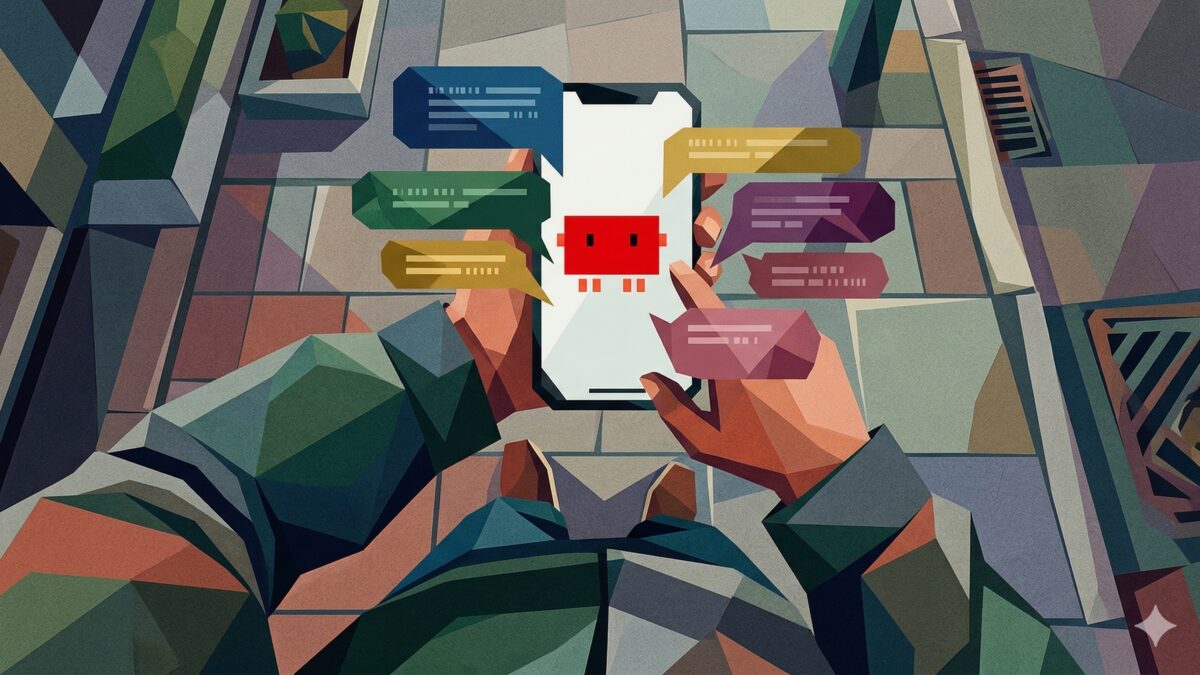
Anthropic has unveiled Claude Code Channels, a new feature that lets users interact with its AI assistant directly through popular messaging platforms like Discord and Telegram. This integration transforms how developers collaborate with AI agents by enabling asynchronous communication and ongoing task management from virtually anywhere, challenging the position of the open-source autonomous agent OpenClaw.
Previously, Claude Code required interactions through its desktop app or mobile setup using remote control features that users found unreliable. Now, using the Channels architecture and Anthropic’s open-source Model Context Protocol (MCP), the AI can maintain persistent sessions that listen for incoming messages from Telegram or Discord and respond by running code, troubleshooting errors, or completing workflows-all triggered by simple messaging commands.
How Claude Code Channels work with messaging platforms
At the core of this system is the Model Context Protocol, introduced by Anthropic in 2024, which functions as a universal interface for AI models to connect with external data and tools. Developers launching a Claude Code session with the --channels flag activate a persistent polling service powered by the Bun JavaScript runtime. Incoming messages from Telegram or Discord plugins are promptly processed and can prompt Claude to generate responses or run specific coding tasks, replying back on the same channel once complete.
- Set up a Telegram bot via BotFather to generate a token
- Install the Telegram plugin in Claude Code and configure it with your token
- Restart Claude Code with channels enabled and pair your Telegram account with a code
- For Discord, create an application and enable message content intent in developer settings
- Install the Discord plugin in Claude Code, configure it with the token, enable channels, and pair the bot with your account
This process turns a smartphone into a remote coding assistant, allowing developers to check build statuses, fix bugs, or initiate new workflows on the go without complex, self-hosted workarounds.
Anthropic challenges OpenClaw with security and ease of use
OpenClaw gained attention for offering developers 24/7 AI assistants they could message across multiple platforms such as WhatsApp, Slack, and Telegram to perform autonomous tasks-from coding to managing emails and social media. However, it raised security concerns because these agent frameworks often required broad access to users’ file systems and sensitive data, and its setup was challenging for non-experts.
By offering Claude Code’s multi-platform messaging support with Anthropic’s brand credibility and focus on safety, the company counters OpenClaw’s early lead. Although Claude Code remains proprietary and requires paid subscriptions, its use of the open-source MCP enables a developer ecosystem to swiftly create and share connective plugins. This hybrid approach leverages open standards for flexibility while maintaining control over AI performance and security.
This shift makes it easier for less-technical users to benefit from the same autonomous, persistent AI capabilities without investing in dedicated hardware, which was commonly used to run OpenClaw agents continuously.
Community reactions and future developments of Claude Code
The response from developers and AI enthusiasts has been enthusiastic, with many noting that Anthropic’s rapid deployment of text messaging, autonomous bug fixing, and thousands of MCP-enabled skills gives Claude Code an edge that may render local-first agent frameworks like OpenClaw obsolete.
One developer highlighted how Claude Code’s new capabilities eliminate the ”hardware tax” associated with buying machines to run always-on agents. AI commentators observe that Anthropic has transformed Claude from a reactive ”brain in a jar” into a persistent partner that proactively engages through familiar messaging apps.
By foregrounding multi-channel support and session persistence, Anthropic is setting a new standard for AI assistants embedded in developer workflows. Given the open MCP infrastructure, the door is open for community-created connectors for Slack, WhatsApp, or other platforms, expanding Claude’s reach even further.
As Anthropic fills gaps left by open-source projects, users will increasingly decide between prioritizing open software freedoms or the convenience, polish, and security guarantees of a commercial AI provider.